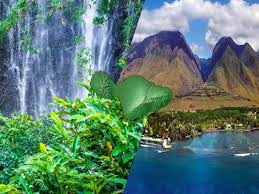
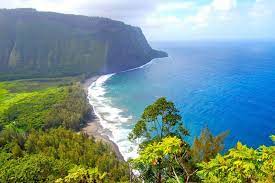
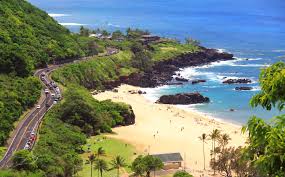
Discover the Enchanting Beauty of the Island of Hawaii
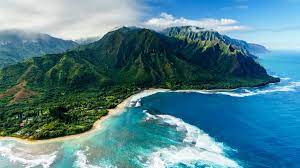
The Island of Hawaii: A Paradise Like No Other
Nestled in the heart of the Pacific Ocean, the Island of Hawaii, often referred to as the “Big Island,” is a true gem waiting to be discovered. With its breathtaking landscapes, rich cultural heritage, and diverse natural wonders, this island offers an unparalleled experience for travelers seeking adventure, relaxation, and a deeper connection with nature.
First and foremost, the Island of Hawaii is renowned for its awe-inspiring volcanoes. The mighty Kilauea Volcano stands as one of the most active volcanoes on Earth, continuously shaping and reshaping the island’s landscape. Visitors have the unique opportunity to witness firsthand this raw power of nature by exploring Hawaii Volcanoes National Park. From hiking through lush rainforests to witnessing molten lava flowing into the ocean, every moment spent in this volcanic wonderland is truly unforgettable.
Beyond its volcanic wonders, the Big Island boasts stunning beaches that cater to all types of beachgoers. Whether you seek a tranquil spot for sunbathing or crave thrilling water activities like snorkeling or surfing, you’ll find it all here. The world-famous Hapuna Beach State Recreation Area offers miles of pristine white sand and crystal-clear turquoise waters, perfect for swimming and beach picnics.
But it’s not just about natural beauty; the Island of Hawaii also has a rich cultural heritage deeply rooted in Hawaiian traditions. Immerse yourself in local customs by attending a traditional hula performance or visiting ancient heiau (temples) that once served as sacred ceremonial sites. The island’s vibrant arts scene showcases talented local artisans who create intricate crafts like woodcarvings and traditional Polynesian tattoos.
For those seeking adventure beyond land-based activities, the Big Island offers exceptional opportunities for underwater exploration. Snorkelers and divers can marvel at vibrant coral reefs teeming with colorful marine life or even swim alongside gentle manta rays. The island’s warm and clear waters make it a haven for marine enthusiasts from around the world.
No visit to the Island of Hawaii would be complete without savoring its unique culinary delights. From freshly caught seafood to farm-to-table cuisine, the island’s diverse culinary scene showcases the abundance of local ingredients and flavors. Be sure to try traditional Hawaiian dishes like poi (a staple made from taro root) or indulge in a delicious plate of loco moco (rice, hamburger patty, fried egg, and gravy) for a true taste of the islands.
With its natural wonders, vibrant culture, and delectable cuisine, the Island of Hawaii is an enchanting destination that offers something for everyone. Whether you’re seeking adventure on land or in the sea, yearning to connect with ancient traditions or simply looking for a slice of paradise to unwind, this island paradise will leave you captivated and longing to return again and again. Come experience the magic of the Big Island – where dreams become reality amidst breathtaking beauty.
Exploring the Wonders of Hawaii: 6 Reasons to Visit the Island Paradise
- Beautiful Beaches
- Rich Culture
- Incredible Wildlife
- Outdoor Adventures
- Perfect Weather
- Variety of Islands
5 Cons of Living on the Island of Hawaii: High Cost of Living, Limited Job Opportunities, Lack of Cultural Diversity, Weather Challenges, and Traffic Congestion
- High Cost of Living
- Limited Job Opportunities
- Lack of Cultural Diversity
- Weather Challenges
- Traffic Congestion
Beautiful Beaches
Beautiful Beaches: Hawaii’s Pristine Paradise
When it comes to stunning beaches, the Island of Hawaii stands in a league of its own. With its crystal clear waters and powdery white sand, this tropical paradise boasts some of the world’s most beautiful coastal destinations.
Whether you’re seeking a peaceful spot to unwind or an adventurous playground for water activities, Hawaii’s beaches offer something for everyone. Picture yourself basking in the warm Hawaiian sun, feeling the soft sand between your toes as you gaze out at the endless expanse of turquoise waters.
Hapuna Beach State Recreation Area is a prime example of Hawaii’s beach bliss. This iconic stretch of coastline stretches for half a mile and features pristine white sand that seems to go on forever. The calm waters are perfect for swimming and snorkeling, allowing you to explore vibrant coral reefs teeming with marine life.
If you’re looking for a more secluded beach experience, head to Makalawena Beach. Accessible only via a short hike or a bumpy off-road drive, this hidden gem rewards intrepid visitors with untouched beauty and tranquility. With its turquoise waters and golden sands framed by lava rocks, Makalawena offers an idyllic setting for relaxation and solitude.
For those seeking adventure, the Big Island also offers beaches renowned for their incredible surf breaks. Honoli’i Beach Park near Hilo is a favorite among local surfers due to its consistent waves and picturesque surroundings. Whether you’re an experienced surfer or just starting out, catching a wave here is an exhilarating experience that will leave you craving more.
In addition to their natural beauty, Hawaii’s beaches are often accompanied by breathtaking coastal landscapes. Imagine lounging on the beach while being surrounded by lush greenery or dramatic volcanic cliffs that add an extra touch of awe-inspiring scenery.
To truly appreciate the beauty of Hawaii’s beaches, take some time to explore different parts of the island. From the rugged shores of the Kohala Coast to the dramatic black sand beaches of Punalu’u, each beach offers a unique experience and showcases the island’s diverse natural wonders.
So, whether you’re a sun seeker, an avid snorkeler, or a thrill-seeking surfer, Hawaii’s beautiful beaches will captivate your senses and leave you with memories that will last a lifetime. Come and immerse yourself in the paradise of Hawaii’s coastal havens – where crystal clear waters meet pristine white sands, creating a heavenly escape that is simply irresistible.
Rich Culture
Rich Culture: Experience the Vibrant Traditions of Hawaii
The Island of Hawaii is not just a destination for breathtaking natural beauty; it is also a melting pot of vibrant cultures and traditions. With its deep-rooted Polynesian heritage, the island offers visitors an immersive experience into a rich and diverse culture that encompasses everything from traditional customs to music, art, and cuisine.
Hawaii’s cultural tapestry is interwoven with the ancient traditions of its Polynesian ancestors. The islands are home to numerous historical sites, including sacred heiau (temples) and petroglyphs that tell stories of the past. Visitors can explore these fascinating sites, gaining insights into the spiritual beliefs and practices that have shaped Hawaiian culture for centuries.
Music holds a special place in Hawaiian culture, with its distinctive melodies and soulful lyrics. The sweet sounds of ukuleles, steel guitars, and melodic chants fill the air during traditional performances known as “hula.” Hula tells stories through graceful movements and gestures, connecting dancers with their ancestors and the natural world around them. Attending a hula performance is an enchanting way to immerse yourself in Hawaii’s musical heritage.
Artistic expression thrives in Hawaii, with local artisans showcasing their talents through various mediums. From intricate woodcarvings to vibrant paintings depicting island life, each piece reflects the unique perspectives and creativity found within Hawaiian communities. Exploring art galleries or attending craft fairs provides an opportunity to appreciate these artistic expressions firsthand while supporting local artists.
Of course, no exploration of Hawaiian culture would be complete without indulging in its mouthwatering cuisine. Traditional Hawaiian food embraces the abundance of local ingredients such as fresh seafood, taro root (used to make poi), sweet potatoes, and tropical fruits like pineapple and coconut. From kalua pig cooked in an imu (underground oven) to lomi lomi salmon salad, each dish offers a tantalizing blend of flavors that reflect the island’s diverse cultural influences.
Immersing yourself in Hawaii’s rich culture is a journey of discovery and appreciation. Engaging with the customs, music, art, and cuisine allows you to connect with the island on a deeper level, gaining a greater understanding of its people and their traditions. Whether you’re attending a hula performance, exploring historical sites, or savoring traditional dishes, embracing Hawaii’s cultural heritage will leave you with cherished memories and a newfound appreciation for this remarkable island paradise.
Incredible Wildlife
Incredible Wildlife: The Island of Hawaii’s Natural Treasures
The Island of Hawaii is a haven for wildlife enthusiasts and nature lovers alike. With its diverse ecosystems and protected habitats, this island paradise is home to a remarkable array of unique wildlife, including some endangered species that are found nowhere else on Earth.
One of the most iconic inhabitants of the island is the Hawaiian Monk Seal. These gentle creatures are a critically endangered species, with only around 1,400 individuals remaining in the wild. Visitors to the island have the rare opportunity to witness these magnificent creatures lounging on pristine beaches or swimming gracefully through crystal-clear waters. Responsible viewing practices ensure that these seals can thrive undisturbed in their natural habitat.
Another beloved resident of the island is the green sea turtle, known locally as “honu.” These ancient creatures have been revered by Hawaiians for centuries and are considered symbols of good luck and wisdom. With their distinctive appearance and graceful movements, encountering a green sea turtle while snorkeling or diving is an unforgettable experience. The Island of Hawaii provides protected nesting sites for these majestic creatures, ensuring their survival for future generations to admire.
But it’s not just about these endangered species; the island’s wildlife extends far beyond its shores. The surrounding ocean teems with marine life, from colorful tropical fish to playful dolphins and majestic humpback whales during their annual migration. Exploring the island’s underwater world through snorkeling or diving unveils a vibrant ecosystem that captivates and educates visitors about the importance of marine conservation.
On land, visitors may encounter unique bird species like the Nene goose, Hawaii’s state bird, or spot colorful endemic birds like the ‘I’iwi with its vibrant red plumage. Hiking through lush rainforests or exploring volcanic landscapes may even lead to encounters with native insects like the Kamehameha butterfly or rare plant species found nowhere else on Earth.
The Island of Hawaii’s commitment to preserving its natural treasures is evident through the establishment of protected areas and conservation efforts. These initiatives aim to safeguard the island’s wildlife and ensure their survival for generations to come. By promoting responsible tourism practices, visitors have the opportunity to appreciate and respect the island’s incredible wildlife while contributing to its preservation.
Whether you’re snorkeling alongside green sea turtles, observing Hawaiian Monk Seals basking in the sun, or marveling at unique bird species, the Island of Hawaii offers an extraordinary opportunity to connect with nature and witness some of Earth’s most remarkable wildlife. Come and experience the magic of this island paradise, where encounters with endangered species become cherished memories and inspire a deep appreciation for our natural world.
Outdoor Adventures
Outdoor Adventures: Embrace the Thrills of Hawaii
If you’re an adventure seeker, the Island of Hawaii is a playground that will leave you breathless with excitement. With its diverse landscapes and favorable climate, this tropical paradise offers a myriad of thrilling outdoor activities that cater to adventurers of all ages.
For those who love the water, snorkeling and scuba diving are must-do activities. Dive into crystal-clear turquoise waters teeming with vibrant marine life and explore coral reefs that are home to an array of colorful fish. The Island of Hawaii boasts some of the best diving spots in the world, where you can swim alongside graceful manta rays or encounter playful dolphins. Whether you’re a seasoned diver or a beginner looking for an underwater adventure, these aquatic wonders will leave you in awe.
If hiking is your passion, the island offers countless trails that lead to breathtaking vistas and hidden gems. From the challenging terrain of Waipio Valley to the lava fields of Hawaii Volcanoes National Park, there’s a hike for every skill level. Trek through lush rainforests, marvel at cascading waterfalls, and witness stunning panoramic views from towering cliffs. Each step will bring you closer to nature’s wonders and provide an opportunity to connect with the island’s unique flora and fauna.
For those seeking an adrenaline rush, zip-lining is an exhilarating experience not to be missed. Soar through lush canopies while taking in panoramic views of valleys and coastlines. Feel the wind rush past you as you glide from one platform to another, embracing the thrill of being suspended high above the ground.
But outdoor adventures in Hawaii aren’t limited to just snorkeling, diving, hiking, and zip-lining. The island offers a wide range of activities such as surfing, paddleboarding, kayaking, horseback riding along scenic trails, and even exploring lava tubes formed by ancient volcanic eruptions.
What makes these outdoor adventures in Hawaii truly special is the opportunity to immerse yourself in the island’s natural beauty. The stunning landscapes, tropical flora, and diverse wildlife create a backdrop that is nothing short of magical. Whether you’re exploring hidden coves, hiking to secluded waterfalls, or soaring through the treetops, you’ll be surrounded by the breathtaking beauty of Hawaii at every turn.
So, pack your sense of adventure and get ready to experience the thrill of a lifetime on the Island of Hawaii. From snorkeling and scuba diving to hiking and zip-lining, there’s an outdoor adventure waiting for you that will create memories to last a lifetime. Embrace the thrills, explore new horizons, and let the spirit of Hawaii ignite your sense of adventure like never before.
Perfect Weather
Perfect Weather: Embrace the Year-Round Tropical Bliss of Hawaii
When it comes to ideal weather conditions, the Island of Hawaii stands in a league of its own. With its tropical climate, this paradise destination offers visitors warm temperatures and sunny skies throughout the year, making it an ideal escape for those seeking endless beach days or leisurely poolside lounging.
Unlike many other destinations that experience drastic seasonal changes, Hawaii’s consistent climate ensures a constant supply of sunshine and warmth. Whether you visit during the summer or winter months, you can expect pleasant temperatures that range from the mid-70s to low 80s Fahrenheit (mid-20s to high 20s Celsius). This means you can pack your swimsuit and sunscreen no matter what time of year you plan your trip.
The island’s perfect weather sets the stage for unforgettable beach experiences. Imagine strolling along pristine shores with powdery white sand beneath your feet, while gentle trade winds caress your skin. The inviting turquoise waters beckon for a refreshing swim or snorkeling adventure, allowing you to explore vibrant coral reefs teeming with marine life. And when it’s time to relax, simply lay back on a beach towel or recline on a comfortable lounge chair as you soak up the sun’s rays.
Beyond the beaches, Hawaii’s delightful weather opens up a world of outdoor activities. From hiking through lush rainforests to embarking on scenic drives along breathtaking coastlines, every adventure is enhanced by the island’s warm climate. Explore cascading waterfalls hidden in verdant valleys or take a dip in natural pools formed by ancient lava flows. With such pleasant weather year-round, there is no shortage of opportunities to connect with nature and create lasting memories.
The island’s perfect weather also lends itself to an array of cultural events and festivities that take place throughout the year. From traditional hula performances under starlit skies to vibrant local festivals celebrating Hawaiian music and dance, you can immerse yourself in the rich cultural heritage of the islands while basking in the pleasant temperatures that Hawaii graciously provides.
So, whether you’re seeking a winter escape or planning a summer getaway, the Island of Hawaii promises an idyllic climate that will make your vacation truly unforgettable. Embrace the year-round tropical bliss, where warm temperatures and endless sunshine create an inviting atmosphere for relaxation, adventure, and exploration. Pack your bags, leave your worries behind, and let Hawaii’s perfect weather envelop you in its embrace.
Variety of Islands
Variety of Islands: Exploring the Hawaiian Archipelago
The Hawaiian archipelago is a true paradise, offering a remarkable variety of experiences across its eight major islands. Each island has its own unique charm and allure, making it easy to find the perfect destination that suits your preferences and desires.
For those seeking the vibrant energy of city life, Oahu is the place to be. Home to the bustling capital city of Honolulu, this island offers a perfect blend of urban excitement and natural beauty. From the iconic Waikiki Beach to historic landmarks like Pearl Harbor, Oahu provides endless opportunities for exploration and entertainment.
If you’re in search of tranquility and unspoiled natural beauty, Kauai will capture your heart. Known as the “Garden Isle,” Kauai boasts lush rainforests, majestic waterfalls, and dramatic cliffs along the Na Pali Coast. This island is a haven for outdoor enthusiasts who can embark on breathtaking hikes or relax on secluded beaches away from the crowds.
For adventure seekers and nature lovers, the Big Island is an absolute must-visit. With its active volcanoes and diverse landscapes, this island offers an extraordinary opportunity to witness Mother Nature’s power firsthand. Explore Hawaii Volcanoes National Park or take a scenic helicopter tour to witness molten lava flowing into the ocean – an experience that will leave you in awe.
Maui, known as the “Valley Isle,” is famous for its stunning beaches and world-class resorts. Whether you’re looking to soak up the sun on pristine shores or embark on exhilarating water activities like snorkeling or surfing, Maui has it all. Don’t miss out on witnessing one of nature’s most incredible spectacles – sunrise over Haleakala Crater.
Molokai and Lanai offer a more intimate experience with their untouched landscapes and small-town charm. Molokai welcomes visitors with its rugged terrain and rich cultural heritage, while Lanai entices with its luxurious resorts and secluded beaches. These islands are perfect for those seeking a serene escape from the hustle and bustle of everyday life.
Last but not least, the islands of Niihau and Kahoolawe, though not open to regular tourists, contribute to the overall beauty and cultural significance of the Hawaiian archipelago. Niihau is known as the “Forbidden Island,” preserving traditional Hawaiian ways of life, while Kahoolawe holds historical importance as a former military training ground now being restored to its natural state.
Whether you’re drawn to bustling city life or yearn for untouched natural beauty, the Hawaiian archipelago has something for everyone. From Oahu’s vibrant energy to Kauai’s lush rainforests and the Big Island’s volcanic wonders, each island offers a unique experience that will leave you with memories to last a lifetime. Embark on an island-hopping adventure and discover the diverse treasures that await in this tropical paradise.
High Cost of Living
High Cost of Living: A Consideration for Island Life in Hawaii
While the Island of Hawaii offers unparalleled beauty and a unique cultural experience, it’s important to be aware of one significant con: the high cost of living. Due to its remote location and limited resources, the expenses associated with daily life on the island can be considerably higher compared to mainland US cities.
One of the primary factors contributing to the higher cost of living is the need to import many goods and resources from mainland states. This includes food, fuel, building materials, and even everyday household items. The transportation costs associated with bringing these goods to the island can significantly drive up their prices.
Housing is another area where the high cost of living becomes apparent. With limited available land for development and a strong demand from both residents and tourists, housing prices have soared over time. Renting or purchasing a home in desirable areas can be expensive, making it challenging for some individuals or families to find affordable housing options.
Utilities such as electricity and water also tend to be more expensive on the island due to factors like reliance on imported fuel for power generation and limited freshwater sources. Additionally, healthcare costs can be higher than average due to factors such as specialist availability and limited competition among providers.
It’s worth noting that wages in Hawaii are generally higher compared to national averages, which helps offset some of these increased costs. However, it’s still important for individuals considering a move or an extended stay in Hawaii to carefully evaluate their budget and financial situation.
Despite these challenges, many people find that the unique lifestyle, natural beauty, and cultural richness offered by the Island of Hawaii make it worth navigating through its higher cost of living. It’s essential to plan ahead, research local prices, and make informed decisions about housing choices, transportation options, and daily expenses.
Ultimately, while the high cost of living may pose a challenge for some individuals or families looking to relocate or spend an extended period on the island, it’s important to weigh the pros and cons in light of the unique experiences and opportunities that Hawaii has to offer. With careful planning and budgeting, it is possible to enjoy all that this remarkable island paradise has in store.
Limited Job Opportunities
Limited Job Opportunities: A Challenge on the Island of Hawaii
While the Island of Hawaii is undeniably a paradise, it does come with its fair share of challenges. One such challenge is the limited job opportunities available on the island. This can pose difficulties for individuals seeking employment and can sometimes deter those considering a permanent move to this beautiful destination.
Due to its remote location and smaller population compared to mainland cities, job options on the island can be somewhat limited. The economy of Hawaii heavily relies on tourism, agriculture, and government sectors, which means that job opportunities in other industries may be scarce. This can be particularly challenging for individuals with specialized skills or those seeking specific professions that are not as prevalent on the island.
The limited job market can also result in fierce competition for available positions. With a high number of residents and newcomers vying for a limited number of jobs, finding employment can be a daunting task. It may require persistence, networking, and exploring alternative avenues to secure suitable employment opportunities.
However, it is important to note that while job opportunities may be limited in certain fields, there are still various industries thriving on the island. Tourism-related jobs such as hospitality, customer service, and outdoor activities tend to have more openings due to the island’s popularity as a vacation destination. Additionally, entrepreneurial endeavors and small businesses have been steadily growing in recent years, offering potential avenues for those seeking self-employment or niche markets.
Moreover, it’s essential to consider that living on the Island of Hawaii offers unique lifestyle benefits that extend beyond career prospects. The island’s unparalleled natural beauty, vibrant culture, and strong sense of community create an enriching living experience for residents. Many individuals choose to prioritize quality of life over career advancement when making the decision to call this place home.
Ultimately, while limited job opportunities can present challenges for some individuals on the Island of Hawaii, it is important to approach it with realistic expectations and explore all available options. With determination, adaptability, and a willingness to explore different industries, it is possible to find fulfilling employment and enjoy the unparalleled beauty and lifestyle that this island paradise has to offer.
Lack of Cultural Diversity
Lack of Cultural Diversity: A Challenge in the Island of Hawaii
The Island of Hawaii is undeniably a captivating destination, but it is important to acknowledge that it faces certain challenges. One such challenge is the lack of cultural diversity, which can make it difficult for some individuals to feel a sense of belonging or connection.
While the island does have various cultures represented, it is true that the majority of its population comes from one particular ethnic background. This dominance can sometimes lead to a sense of exclusion or difficulty in finding a community where one feels they truly fit in.
Cultural diversity plays a vital role in fostering understanding, acceptance, and appreciation for different perspectives and traditions. It enriches communities by promoting cross-cultural exchange and creating opportunities for personal growth and learning. When there is a lack of diversity, it can limit these valuable experiences and hinder the formation of diverse social networks.
However, it is worth noting that efforts are being made to address this issue. Organizations and community groups on the island are working towards creating inclusive environments that celebrate all cultures and embrace diversity. Festivals, events, and educational initiatives are being organized to promote cross-cultural understanding and appreciation.
Moreover, visitors to the Island of Hawaii have an opportunity to contribute positively by respecting and engaging with local culture. By showing genuine interest in learning about different traditions, customs, and histories, visitors can help foster an environment that values cultural diversity.
While the lack of cultural diversity may pose challenges for some individuals seeking a sense of belonging on the island, it is important to recognize that every place has its own unique characteristics and areas for improvement. By acknowledging this issue and actively working towards inclusivity, we can create a more vibrant and welcoming community where everyone feels valued and accepted.
The Island of Hawaii remains an extraordinary destination with its stunning landscapes, rich history, and warm hospitality. By embracing cultural diversity as an essential part of its identity, the island can continue evolving into an even more inclusive and harmonious place for all who call it home or visit its shores.
Weather Challenges
Weather Challenges: Navigating the Elements on the Island of Hawaii
While the Island of Hawaii is undoubtedly a paradise, it is not without its challenges. One aspect that residents and visitors alike must contend with is the sometimes unpredictable weather. The island’s unique geography and location in the Pacific Ocean make it susceptible to occasional bouts of heavy rainfalls and strong winds.
The island’s lush greenery owes much to its frequent rainfall, which sustains the vibrant flora and fauna that make Hawaii so breathtakingly beautiful. However, these downpours can occasionally be intense, leading to localized flooding and temporary disruptions in daily activities. It’s always a good idea to stay informed about weather conditions and be prepared for sudden changes when planning outdoor adventures.
Strong winds are another occasional challenge on the island. These gusts can be particularly prevalent in certain areas, especially along the coastlines. While they can create ideal conditions for water sports enthusiasts, such as wind-surfing or kiteboarding, they may also pose challenges for those seeking calm beach days or leisurely hikes.
It’s important to note that while these weather challenges exist, they do not define the overall experience on the Island of Hawaii. The island’s diverse microclimates mean that even if one area experiences inclement weather, there are often other regions just a short drive away with clearer skies and more favorable conditions.
Moreover, locals have adapted to these occasional weather patterns over time. They understand how to navigate through them while still enjoying all that the island has to offer. Visitors can take cues from their resilience by being flexible in their plans and keeping alternative activities in mind should inclement weather arise.
Ultimately, it is this very diversity in climate that contributes to the Island of Hawaii’s unique allure. The ever-changing skies create dramatic landscapes and breathtaking vistas that captivate travelers from around the world. By embracing the occasional challenges brought by nature’s elements, visitors can gain a deeper appreciation for the island’s natural beauty and the resilience of its people.
So, whether it’s basking in the warm sunshine on a pristine beach or exploring the lush rainforests after a refreshing rainfall, the Island of Hawaii offers an adventure like no other. Embrace the weather challenges as part of the island’s charm, and you’ll discover a remarkable destination that rewards those who are willing to embrace its ever-changing nature.
Traffic Congestion
Traffic Congestion: A Challenge for the Island of Hawaii
The Island of Hawaii, with its stunning landscapes and vibrant culture, is undoubtedly a paradise. However, like any popular destination, it faces its own set of challenges. One such challenge is traffic congestion, which can be a frustrating experience for both residents and visitors alike.
Due to the island’s small size and large population, traffic congestion becomes a prevalent issue, especially during peak hours or when tourists flock to the island during peak seasons. The limited road infrastructure struggles to accommodate the increasing number of vehicles on the island, leading to bottlenecks and delays.
During rush hour, commuting can become a time-consuming ordeal as roads become congested with cars. Locals who rely on daily commutes find themselves spending more time in traffic than they would prefer. Additionally, tourists exploring the island may face unexpected delays that hinder their plans and limit their mobility.
The influx of visitors during peak seasons exacerbates the traffic situation further. As tourists arrive in droves to experience the beauty of Hawaii, roads become even more crowded. Popular attractions and scenic spots often witness heavy traffic as everyone strives to reach their desired destinations simultaneously.
Efforts have been made to address this issue by implementing measures like traffic management systems and improving public transportation options. However, given the unique geography of the island and its limited resources, finding comprehensive solutions remains a complex task.
To mitigate these challenges, both residents and visitors are encouraged to plan their journeys wisely. Consideration for alternative modes of transportation like buses or bicycles can help alleviate congestion on the roads. Additionally, exploring lesser-known areas or visiting popular attractions during off-peak hours can also contribute to a smoother travel experience.
While traffic congestion may pose difficulties on the Island of Hawaii, it should not deter travelers from experiencing all that this magnificent destination has to offer. With proper planning and patience, visitors can still immerse themselves in the island’s natural beauty and vibrant culture, while locals continue to enjoy their island home. Together, we can work towards finding sustainable solutions to preserve the charm and accessibility of this remarkable paradise.