Month: November 2026

    Kona Hawaii Airport: A Traveler’s Guide to Ellison Onizuka Kona International Airport
    No Comments
    kona hawaii airport

    Kona, Hawaii Airport: A Guide to Ellison Onizuka Kona International Airport

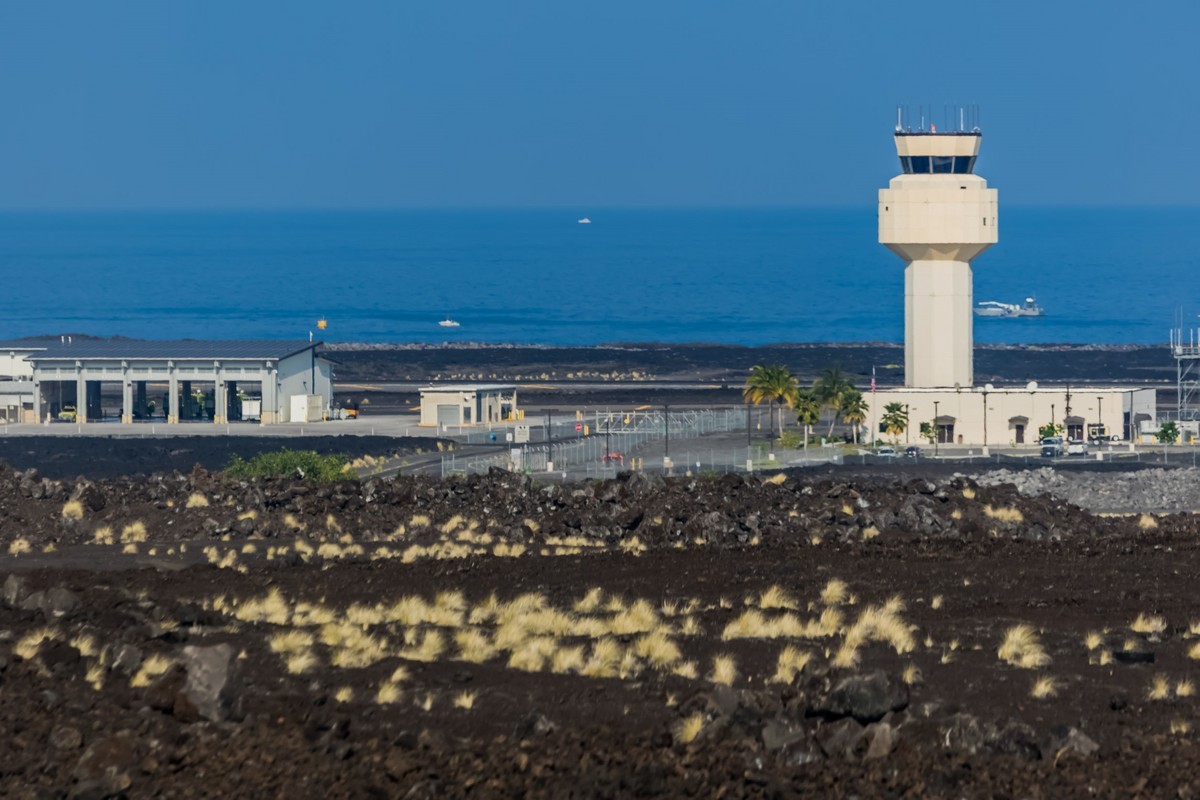
    Ellison Onizuka Kona International Airport at Keāhole (KOA) is the main airport serving the western side of Hawaiʻi Island, also known as the Big Island. Located about seven miles northwest of Kailua-Kona, it welcomes visitors arriving for Kona’s beaches, coffee farms, resorts, and outdoor adventures.

    Where Is Kona International Airport?

    The airport sits near the coast in the Keāhole area, north of Kailua-Kona. It is a convenient arrival point for destinations along the island’s west coast, including Kailua-Kona, Keauhou, Waikoloa, and Kohala. Travel times vary with traffic and your destination, so allow extra time when planning airport transfers.

    Hawaiʻi Island also has an airport in Hilo, on the eastern side of the island. When booking flights, check which airport you are using: Kona’s code is KOA, while Hilo International Airport’s code is ITO. The two airports are on opposite sides of a large island, so they are not interchangeable for a quick transfer.

    What to Expect at KOA

    Kona International Airport has a distinctive open-air design that reflects the island’s warm climate. Rather than a large, enclosed terminal, many passenger areas feel open to the outdoors. The airport is also known for its runway and facilities set amid the region’s dark volcanic landscape.

    KOA handles domestic and international flights, as well as service between the Hawaiian Islands. Flight routes and schedules can change, so confirm details with your airline before traveling. The airport is named for Ellison Onizuka, the Hawaiʻi-born astronaut from the Big Island.

    Getting To and From the Airport

    Rental cars: Renting a car is a popular option for exploring Hawaiʻi Island, where attractions and towns are spread over long distances. Rental-car facilities and pickup arrangements can vary, so check your company’s instructions in advance.

    Taxis and rideshares: Taxis and rideshare services may be available, but wait times and pickup procedures can vary. Confirm your pickup location and estimated fare before leaving the airport.

    Shuttles and public transportation: Some hotels and private operators offer airport transportation. Public bus service may be limited for travelers with luggage or tight schedules. Check current routes, operating hours, and booking requirements before relying on a particular option.

    Tips for a Smooth Airport Visit

    • Use KOA when your destination is on the Kona or Kohala coast; use ITO for destinations near Hilo.
    • Reserve a rental car or shuttle ahead of time, especially during busy travel periods.
    • Allow extra time for the drive. Distances on Hawaiʻi Island can be greater than they look on a map.
    • Bring sun protection and water if you will be waiting outdoors or picking up a vehicle in the open-air areas.
    • Check your airline’s latest guidance for check-in, baggage, and arrival times.

    Starting Your Big Island Trip

    Kona International Airport is a welcoming gateway to the Big Island’s western coast. From KOA, travelers can head toward Kailua-Kona’s waterfront, visit coffee-growing districts, or continue north to the resorts and beaches of the Kohala coast. With a little advance planning—and the right airport code on your ticket—your Hawaiʻi Island journey can get off to a relaxed start.


    6 Essential Tips for Traveling Through Kona International Airport (KOA)

    1. Kona International Airport (KOA) is on the west side of Hawaiʻi Island.
    2. Book a rental car early, especially during busy travel seasons.
    3. Allow extra time for rental-car shuttles and airport transfers.
    4. The airport is mostly open-air, so pack for sun and occasional rain.
    5. Bring snacks or eat before your flight, as food options can be limited.
    6. Check your airline’s terminal and check-in details before you travel.

    Kona International Airport (KOA) is on the west side of Hawaiʻi Island.

    Kona International Airport (KOA) is on the west side of Hawaiʻi Island, making it a convenient arrival point for Kailua-Kona, the Kohala Coast, and nearby resorts and beaches. If you’re visiting the island’s east side, including Hilo, check the travel distance before booking—Hilo International Airport (ITO) may be closer to your destination.

    Book a rental car early, especially during busy travel seasons.

    Book your rental car as early as possible, especially if you’re visiting during a busy travel season. Availability at Kona International Airport can be limited when visitor numbers are high, and waiting until arrival may leave you with fewer vehicle choices or higher prices. Reserving ahead helps you compare options and plan a smoother pickup after your flight.

    Allow extra time for rental-car shuttles and airport transfers.

    Allow extra time for rental-car shuttles and airport transfers at Kona International Airport, especially during busy travel periods. Pickup locations, shuttle wait times, and traffic can vary, so check your rental company’s instructions ahead of time and build a little flexibility into your schedule. This is especially helpful if you have a flight to catch, a timed activity, or a long drive across the island.

    The airport is mostly open-air, so pack for sun and occasional rain.

    Kona International Airport is mostly open-air, so pack for both sunshine and the occasional rain shower. Bring sunglasses, a hat, and sunscreen for bright conditions, along with a light rain jacket or compact umbrella to stay comfortable if the weather changes while you’re waiting or moving through the airport.

    Bring snacks or eat before your flight, as food options can be limited.

    Food options at Kona International Airport can be limited, especially outside peak hours, so it’s a good idea to eat before your flight or bring snacks for the journey. Check current airport and airline rules before packing food, and keep any items easy to carry while you wait or board.

    Check your airline’s terminal and check-in details before you travel.

    Before heading to Kona International Airport (KOA), check your airline’s latest terminal, check-in, and baggage instructions. Airport procedures and flight details can change, and knowing where to go—and how early to arrive—can help you avoid delays and start your trip with less stress.
    Marriott Honolulu Hawaii: A Guide to Staying in Waikiki

    No Comments
    marriott honolulu hawaii

    Marriott in Honolulu, Hawaii: A Guide to the Waikiki Beach Marriott Resort & Spa

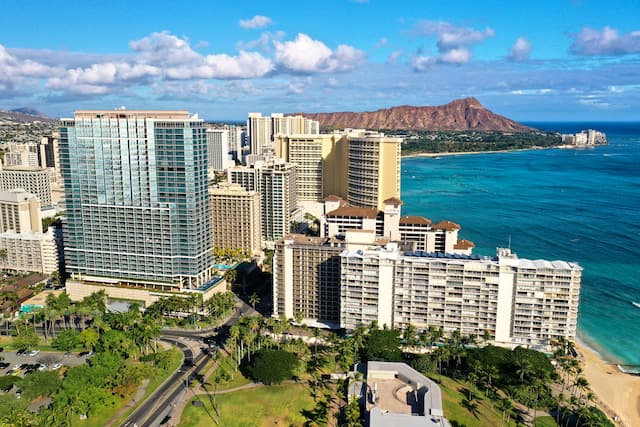
    For travelers looking for a Marriott hotel in Honolulu, the Waikiki Beach Marriott Resort & Spa is a popular option. Located on Kalākaua Avenue at the eastern end of Waikiki, the resort puts guests close to the beach, shops, restaurants, and some of Oʻahu’s best-known attractions.

    Where the hotel is

    The Waikiki Beach Marriott Resort & Spa is at 2552 Kalākaua Avenue, across the street from Waikiki Beach. The hotel is not directly on the sand, but beach access is nearby. Its location also makes it convenient to explore the neighborhood on foot, including the Honolulu Zoo, Kapiʻolani Park, and the shops and dining along Kalākaua Avenue.

    Diamond Head is a short drive or a longer walk away, depending on your route. Downtown Honolulu, Pearl Harbor, and other parts of Oʻahu are farther afield, so visitors planning to explore beyond Waikiki may want to consider rental cars, rideshares, or local transportation.

    Rooms and resort amenities

    The resort offers guest rooms and suites in two towers. Room features and views vary, with some accommodations looking toward the ocean, Waikiki, or Diamond Head. When booking, check the room description carefully: a “partial ocean view” is different from a full ocean view, and the hotel’s position across the street means not every room overlooks the beach.

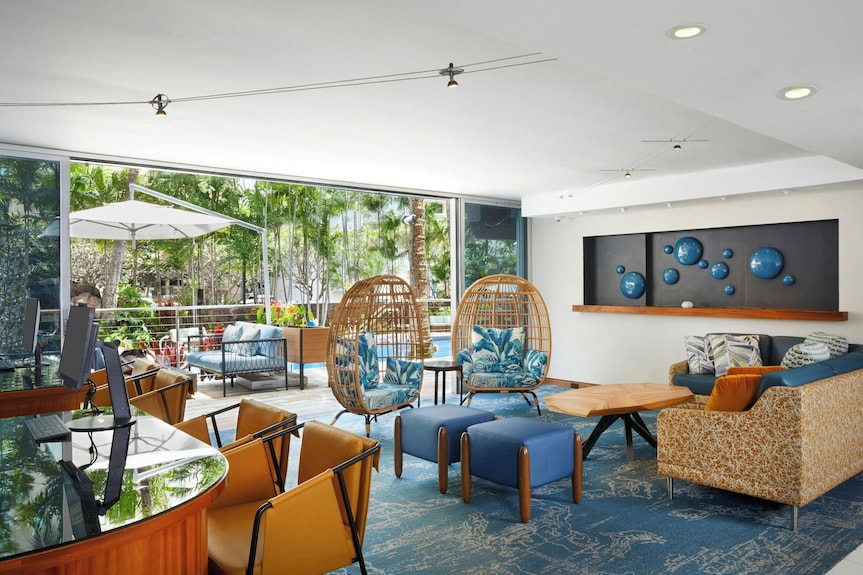
    On-site amenities include swimming pools, fitness facilities, spa services, and several dining options. The resort’s restaurants and bars can make it easy to enjoy a meal without leaving the property, while Waikiki’s many cafés and restaurants are just outside. Amenities, restaurant hours, and services may change, so confirm current details directly with the hotel before your stay.

    Things to do nearby

    • Waikiki Beach: Swim, relax in the sun, or try ocean activities offered by local operators.
    • Diamond Head State Monument: Hike to the summit for sweeping views of the coastline. Reservations may be required for out-of-state visitors.
    • Honolulu Zoo: Visit the zoo at the edge of Waikiki, near Kapiʻolani Park.
    • Kapiʻolani Park: Enjoy open green space, walking paths, and views of Diamond Head.
    • Waikiki shopping and dining: Browse local shops and find everything from casual plate lunches to upscale restaurants.

    Is the Waikiki Beach Marriott right for you?

    This resort may suit visitors who want a full-service hotel in a walkable part of Waikiki, with pools and dining on-site and the beach close by. It can also be a convenient base for first-time visitors who want easy access to popular attractions. Travelers seeking a quieter setting or a hotel directly on the beach may want to compare other properties around Oʻahu.

    Before booking, compare room types, resort fees, parking costs, cancellation terms, and current amenities. Honolulu hotel rates can vary considerably by season and demand, so checking dates and the total price—not just the nightly rate—can help you choose the best fit.


    9 Perks of Staying at Marriott in Waikiki, Honolulu

    1. Convenient Waikiki location
    2. Beach access across the street
    3. Close to shops and restaurants
    4. Pools for relaxing
    5. On-site dining options
    6. Fitness facilities available
    7. Spa services offered
    8. Near Diamond Head
    9. Easy access to Waikiki attractions


    5 Drawbacks of Marriott Honolulu: Beach Access, Resort Fees, Costly Parking, Crowds, and Peak-Season Rates

    1. The hotel is across the street from the beach.
    2. Resort fees may add to the total cost.
    3. On-site parking can be expensive.
    4. Waikiki can be busy and crowded.
    5. Room rates may be high during peak seasons.

    Convenient Waikiki location

    One of the biggest advantages of the Waikiki Beach Marriott Resort & Spa is its convenient location. Situated on Kalākaua Avenue, the hotel is across the street from Waikiki Beach and within easy walking distance of shops, restaurants, Kapiʻolani Park, and the Honolulu Zoo. This makes it simple to enjoy Waikiki’s highlights without relying on a car, while nearby transportation options make it easier to explore other parts of Honolulu and Oʻahu.

    Beach access across the street

    One of the Waikiki Beach Marriott Resort & Spa’s biggest advantages is its convenient beach access: Waikiki Beach is directly across the street, making it easy to spend the day swimming, sunbathing, or enjoying the ocean without traveling far from the hotel. Although the resort is not right on the sand, its location lets guests head back and forth between the beach and their room with ease.

    Close to shops and restaurants

    One of the biggest advantages of staying at the Waikiki Beach Marriott Resort & Spa is its convenient location near shops and restaurants. Guests can easily stroll along Kalākaua Avenue to browse boutiques, pick up essentials, or enjoy everything from casual local fare to fine dining. With so many options close by, it’s easy to explore Waikiki without needing a car.

    Pools for relaxing

    The pools at the Waikiki Beach Marriott Resort & Spa offer a relaxing break between beach outings and sightseeing. Whether you want to cool off with a swim, unwind poolside with a book, or soak up the Hawaiian sunshine, the resort’s pool areas provide a convenient place to slow down without leaving the hotel. Lodging guests should check current pool hours and amenities with the resort before their stay.

    On-site dining options

    One advantage of the Waikiki Beach Marriott Resort & Spa is its on-site dining options, which make it easy to enjoy a meal without leaving the hotel. Guests can choose from restaurants and bars serving a range of food and drinks, whether they’re looking for a relaxed breakfast, a casual bite between beach visits, or dinner at the end of the day. With Waikiki’s cafés and restaurants also close by, there are plenty of ways to explore local flavors throughout the stay.

    Fitness facilities available

    The Waikiki Beach Marriott Resort & Spa makes it easy to stick to your workout routine while traveling, with fitness facilities available on-site. Guests can fit in a workout before exploring Honolulu or unwind with exercise after a day at the beach. Having this convenience at the hotel means there’s no need to search for a nearby gym, helping you make the most of your stay.

    Spa services offered

    The Waikiki Beach Marriott Resort & Spa offers spa services that give guests a convenient way to unwind during their stay in Honolulu. Whether you’re looking to relax after a day at the beach, hiking Diamond Head, or exploring Waikiki, an on-site spa treatment can add a restorative touch to your trip. Check with the resort for current services, hours, and appointment availability.

    Near Diamond Head

    One of the Waikiki Beach Marriott Resort & Spa’s advantages is its convenient location near Diamond Head. The iconic volcanic crater is just a short drive away, making it easy to plan a hike and take in sweeping views of Waikiki and the Pacific Ocean. After exploring the trail, guests can return to the hotel and enjoy the beach, pools, and nearby dining. Check current trail conditions and reservation requirements before you go.

    Easy access to Waikiki attractions

    One of the biggest advantages of staying at the Waikiki Beach Marriott Resort & Spa is its easy access to Waikiki’s most popular attractions. The hotel sits on Kalākaua Avenue, close to the beach, shops, restaurants, and lively entertainment, making it simple to explore the area on foot. Guests can also reach Kapiʻolani Park, the Honolulu Zoo, and the route to Diamond Head without traveling far, leaving more time to enjoy Honolulu.

    The hotel is across the street from the beach.

    One drawback of the Waikiki Beach Marriott Resort & Spa is that it sits across the street from the beach rather than directly on the sand. Guests need to cross Kalākaua Avenue to reach the shoreline, which may be less convenient when carrying beach gear or traveling with young children. While the beach is close, travelers looking for immediate beachfront access may prefer a hotel right on the water.

    Resort fees may add to the total cost.

    One drawback of staying at the Waikiki Beach Marriott Resort & Spa is that resort fees may add to the total cost. These charges are typically added per night on top of the room rate and taxes, so the final bill can be higher than the price shown in an initial search. Check the hotel’s current fee details and what they include before booking to compare the full cost with other Honolulu accommodations.

    On-site parking can be expensive.

    One potential downside of staying at the Waikiki Beach Marriott Resort & Spa is the cost of on-site parking, which can add a significant amount to your total bill. If you plan to rent a car, check the current parking rates before booking and factor them into your budget. Depending on your itinerary, using rideshares or public transportation may be a more affordable option.

    Waikiki can be busy and crowded.

    One drawback of staying at the Waikiki Beach Marriott Resort & Spa is that Waikiki can be busy and crowded, especially during peak travel seasons and around popular attractions. The lively atmosphere brings plenty of dining and entertainment options, but it may also mean crowded sidewalks, busy beaches, and more traffic, which can make it harder to find a quiet, relaxing escape.

    Room rates may be high during peak seasons.

    One potential drawback of staying at a Marriott in Honolulu is that room rates may be high during peak travel seasons, such as holidays and summer. Prices can also vary with demand and room type, so the total cost may be higher than expected after taxes and fees. Booking early, comparing dates, and checking the full price before reserving can help travelers plan their budget.

    Maui Places to Stay: Find the Perfect Base for Your Island Getaway

    No Comments
    maui places to stay

    Maui Places to Stay: Find the Right Area for Your Island Getaway

    Choosing where to stay on Maui can shape your entire trip. The island offers beachfront resorts, condo-style accommodations, small inns, vacation rentals, and rural retreats. Each area has a different feel, so consider your plans, budget, and preferred pace before booking.

    Whether you want to spend your days snorkeling, exploring Haleakalā National Park, driving the Road to Hāna, or simply relaxing by the ocean, this guide can help you compare Maui’s main places to stay.

    West Maui: Beach Resorts and Scenic Coastline

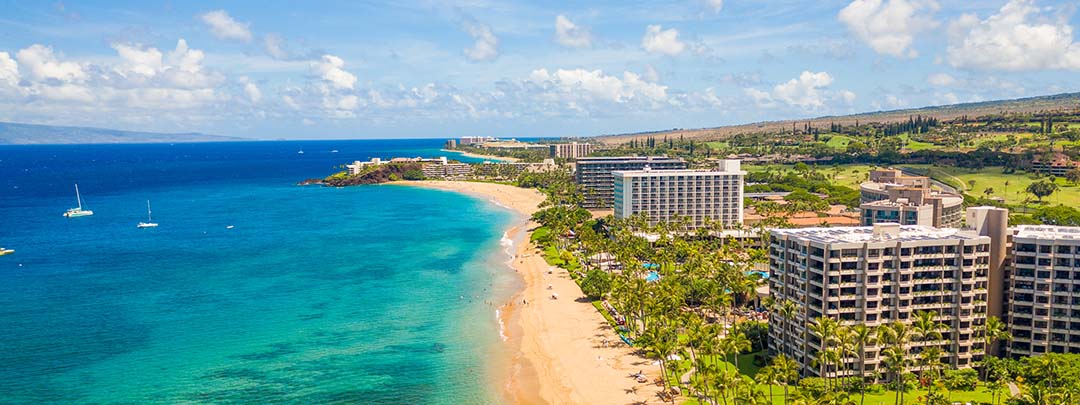
    West Maui is known for resort areas, ocean views, and access to beaches and snorkeling spots. Kāʻanapali has a concentration of hotels, resorts, and condominium accommodations, while Napili and Kapalua offer a quieter setting with bays, golf courses, and coastal scenery.

    Lahaina is also in West Maui. The community continues to recover from the 2023 wildfires, and conditions, access, and available accommodations can change. Check current guidance from Maui County and local authorities before visiting, and follow any posted restrictions. Visitors should be especially thoughtful about residents’ privacy and the ongoing recovery.

    Best for: Travelers looking for resort amenities, beach time, and a West Maui base.

    South Maui: Sunny Beaches and Easygoing Stays

    South Maui includes Kīhei, Wailea, and Mākena. Kīhei has a relaxed, casual atmosphere and a range of accommodations, including hotels and condominium-style stays. It can be a practical choice for travelers who want beach access, dining options, and a central base for exploring the south side of the island.

    Wailea is known for upscale resorts, landscaped grounds, and access to beaches and golf. Farther south, Mākena has a more secluded feel, though lodging options are more limited. Always check beach conditions and posted safety information before swimming.

    Best for: Families, couples, beach lovers, and travelers who want sunny weather and convenient amenities.

    Central Maui: A Convenient Home Base

    Kahului and Wailuku are practical choices for travelers who value convenience. Kahului is close to the airport, shopping, and everyday services. Wailuku has a historic downtown and provides a gateway to ʻĪao Valley and other parts of central Maui.

    Central Maui may not offer the same resort-style beach setting as the coast, but it can make getting around easier, especially for visitors planning to explore several regions. If visiting ʻĪao Valley State Monument, check reservation requirements and current visitor information ahead of time.

    Best for: Travelers seeking a central location, shorter airport transfers, or access to local services.

    Upcountry Maui: Cooler Weather and Rural Charm

    Upcountry Maui includes communities such as Makawao, Pukalani, and Kula, on the slopes of Haleakalā. You’ll find a cooler climate, open landscapes, farms, and small-town character. Lodging is generally more spread out than in the resort areas, and a rental car is especially useful.

    Upcountry can be a memorable choice for travelers interested in a quieter setting or planning to visit Haleakalā. Temperatures near the summit can be cold, even when the coast is warm, so bring layers if you’re heading up for sunrise or sunset.

    Best for: Nature-focused trips, rural scenery, and visitors who prefer a quieter base.

    Hāna and East Maui: A Remote, Immersive Stay

    Hāna is a small community on Maui’s eastern coast, surrounded by rainforest, waterfalls, and rugged shoreline. Staying overnight can give you more time to experience the area without making the full drive back in one day. Accommodations are limited, so book early and plan ahead for meals, fuel, and supplies.

    The Road to Hāna is narrow in places and includes one-lane bridges and winding stretches. Drive carefully, obey signs, and avoid blocking traffic or parking in unsafe areas. Be respectful of residents and private property, and use only designated access points.

    Best for: Travelers who want a slower pace, dramatic scenery, and an overnight adventure.

    Which Part of Maui Should You Choose?

    • For resorts and snorkeling: Consider Kāʻanapali, Napili, or Kapalua, after checking current local conditions.
    • For a relaxed beach vacation: Look at Kīhei or Wailea.
    • For convenience: Consider Kahului or Wailuku.
    • For a rural escape: Explore Makawao or Kula.
    • For an extended Road to Hāna experience: Look for lodging in or near Hāna.

    Tips for Booking a Place to Stay on Maui

    • Choose your area based on your itinerary. Maui is larger and takes longer to cross than it may appear on a map.
    • Confirm that a rental is authorized. Vacation-rental rules and permitted properties can vary by location and change over time. Verify the property’s status before booking.
    • Read the full price details. Compare taxes, cleaning fees, parking costs, resort fees, and cancellation terms.
    • Plan transportation. A rental car is useful for many Maui trips, particularly if you’re staying outside a resort area or visiting Upcountry or Hāna.
    • Check current conditions. Weather, road access, park reservations, and community guidance can affect plans.
    • Travel respectfully. Follow local rules, support local businesses, and treat neighborhoods as communities—not attractions.

    Find a Maui Stay That Fits Your Trip

    The best place to stay on Maui depends on what you hope to experience. A resort area may suit a beach-centered vacation, while Central Maui can be convenient for island-wide exploring. Upcountry and Hāna offer a different pace and landscape. Compare locations, check current local information, and choose accommodations that fit both your plans and your budget.


    Where to Stay in Maui: 9 Tips for Choosing the Right Base

    1. Choose Kihei for sunny beaches and a range of vacation rentals.
    2. Stay in Wailea for upscale resorts and calm, scenic beaches.
    3. Consider Kāʻanapali for resort amenities and easy beach access.
    4. Pick Pāʻia for a laid-back North Shore base near surf spots.
    5. Stay in Wailuku for local dining and access to Central Maui.
    6. Choose Upcountry for cooler weather and a quieter, rural feel.
    7. Book Hāna only if you want a remote stay and a slower itinerary.
    8. Check current access, services, and local guidance before booking West Maui.
    9. Reserve early during peak seasons, and confirm parking and resort fees.

    Choose Kihei for sunny beaches and a range of vacation rentals.

    Choose Kīhei for sunny beaches and a wide range of vacation rentals, from condos to family-friendly stays. Its relaxed atmosphere, nearby restaurants, and easy access to South Maui beaches make it a convenient home base for swimming, snorkeling, and exploring the island. Compare locations and amenities before booking, and confirm that any vacation rental is authorized.

    Stay in Wailea for upscale resorts and calm, scenic beaches.

    Stay in Wailea if you’re looking for an upscale Maui getaway, with elegant resorts, oceanfront dining, and beautifully maintained grounds. The area is also known for calm, scenic beaches that are ideal for swimming, snorkeling, or relaxing by the water. With coastal walking paths and striking sunset views, Wailea makes a peaceful home base for a polished beach vacation.

    Consider Kāʻanapali for resort amenities and easy beach access.

    Consider staying in Kāʻanapali if you’re looking for resort amenities and easy access to the beach. The area offers a range of places to stay, along with nearby dining, shopping, and opportunities to enjoy Maui’s coastline. It can be a convenient home base for a relaxing beach-focused getaway.

    Pick Pāʻia for a laid-back North Shore base near surf spots.

    Choose Pāʻia for a laid-back North Shore base with a charming small-town feel and easy access to nearby surf spots. The town has cafés, restaurants, and local shops, while nearby beaches draw surfers and ocean lovers. Conditions can vary, so check surf and beach safety updates before heading out, and remember that a car is useful for exploring the rest of Maui.

    Stay in Wailuku for local dining and access to Central Maui.

    Stay in Wailuku for a convenient base with a local feel. The town offers independently owned restaurants, cafés, and shops, while its Central Maui location makes it easier to reach places like Kahului, ʻĪao Valley, and other parts of the island. Choose Wailuku if you want to explore beyond the resort areas and enjoy a quieter, more community-centered stay.

    Choose Upcountry for cooler weather and a quieter, rural feel.

    Choose Upcountry Maui for cooler temperatures, open landscapes, and a quieter, rural feel. Areas such as Makawao and Kula offer a change of pace from the busy beach resorts, with farms, small-town charm, and scenic views across the island. A rental car is helpful for getting around, and visitors should pack layers, especially when heading to higher elevations.

    Book Hāna only if you want a remote stay and a slower itinerary.

    Book a stay in Hāna if you’re looking for a remote getaway and want to explore East Maui at a slower pace. Overnight lodging is limited, and the area is far from many of the island’s services and resort hubs, so plan ahead for meals, supplies, and transportation. An overnight stay can give you more time to enjoy the scenery without rushing the Road to Hāna in a single day.

    Check current access, services, and local guidance before booking West Maui.

    Before booking a stay in West Maui, check the latest information from Maui County and local authorities about access, available services, and visitor guidance. Conditions can change, so confirm that roads, businesses, and amenities you plan to use are open, and follow any restrictions or requests from the community. This helps you plan responsibly and avoid disrupting residents or recovery efforts.

    Reserve early during peak seasons, and confirm parking and resort fees.

    Reserve your Maui accommodations early, especially during peak travel seasons, when popular hotels and vacation rentals can book up quickly. Before you finalize your reservation, review the total cost and confirm whether parking and resort fees are included or charged separately. These extra costs can add up, so checking the details in advance helps you choose a stay that fits your budget.

    5 Star Hotels in Honolulu: A Guide to Luxury Stays

    No Comments
    5 star hotels in honolulu

    5-Star Hotels in Honolulu: A Guide to Luxury Stays

    Honolulu pairs the energy of a city with the natural beauty of Oʻahu’s coastline. From beachfront resorts in Waikīkī to secluded retreats near Kāhala, the city offers luxury hotels for travelers seeking ocean views, thoughtful service, fine dining, and easy access to the island’s attractions.

    Hotel ratings can vary by booking site and rating organization, so “five-star” is not a single universal designation. The hotels below are widely recognized as upscale or luxury properties. Before booking, check current amenities, room details, and guest reviews to find the right fit.

    Halekulani

    Set on Waikīkī Beach, Halekulani is known for its calm atmosphere, ocean-facing rooms, and polished service. Guests can enjoy the hotel’s beachfront setting, swimming pool, spa, and dining options, including the celebrated La Mer. Its location also makes it convenient to explore Waikīkī on foot.

    Best for: Couples and travelers looking for refined service in a beachfront setting.

    The Royal Hawaiian, a Luxury Collection Resort

    Often called the “Pink Palace of the Pacific,” The Royal Hawaiian is one of Waikīkī’s best-known historic resorts. Its distinctive architecture and tropical gardens offer a sense of old-Hawaiʻi glamour, while its beachfront location keeps the sand and surf close at hand. Guests can also enjoy the resort’s restaurants, pool, and cultural programming.

    Best for: Travelers drawn to historic character, iconic design, and a central Waikīkī location.

    Moana Surfrider, A Westin Resort & Spa, Waikiki Beach

    Opened in 1901, the Moana Surfrider combines historic architecture with modern resort amenities. The hotel sits directly on Waikīkī Beach and features a signature banyan tree, oceanfront dining, and a spa. Its setting is especially appealing for visitors who want a classic beachfront hotel with shopping and restaurants nearby.

    Best for: First-time visitors and history-minded travelers who want to stay in the heart of Waikīkī.

    Ka Laʻi Waikīkī Beach, LXR Hotels & Resorts

    Ka Laʻi offers a residential-style take on luxury in Waikīkī. Guest accommodations include suites with kitchen facilities, and the property has a pool, spa, and dining options. It is set a short walk from the beach, shops, and restaurants, making it a convenient choice for longer stays or travelers who appreciate extra room.

    Best for: Families, longer stays, and guests who prefer suite-style accommodations.

    Espacio The Jewel of Waikiki

    Espacio is a small, all-suite property near Waikīkī Beach, offering a more private experience than a large resort. Suites feature generous living space, and the hotel emphasizes personalized service and upscale amenities. Its limited number of accommodations can make it a good fit for travelers seeking a quieter, more exclusive stay.

    Best for: Couples or small groups looking for privacy and spacious suites.

    The Kahala Hotel & Resort

    Located in the residential Kāhala neighborhood, this oceanfront resort offers a quieter alternative to central Waikīkī. The property has a private-feeling beach, a spa, multiple dining venues, and a swimming lagoon. It is farther from Waikīkī’s busiest shopping and nightlife, so guests may want to plan for taxis, rideshares, or a rental car.

    Best for: Travelers seeking a relaxed resort atmosphere away from the busiest parts of Waikīkī.

    How to Choose the Right Honolulu Luxury Hotel

    • Choose your setting: Waikīkī is convenient for beach access, shopping, and dining. Kāhala is generally quieter and more secluded.
    • Compare the total cost: Review resort fees, parking charges, taxes, and included amenities in addition to the nightly rate.
    • Check the room location: Ocean views, balconies, and proximity to elevators or public areas can vary by room category.
    • Consider your plans: A central hotel can make it easier to explore Waikīkī, while a resort outside the main area may suit a slower-paced stay.
    • Book early for peak dates: Rates and availability can change significantly during holidays and busy travel seasons.

    Final Thoughts

    Honolulu’s luxury hotels offer several distinct ways to experience Oʻahu. Halekulani and The Royal Hawaiian put guests close to the heart of Waikīkī, while The Kahala provides a more secluded resort setting. For a historic stay, consider the Moana Surfrider; for extra space, look at Ka Laʻi or Espacio. Comparing location, room type, and current rates can help you choose the stay that best suits your trip.


    7 Perks of Staying at 5-Star Hotels in Honolulu

    1. Beautiful oceanfront locations
    2. Easy access to Waikīkī Beach
    3. High-quality dining options
    4. Attentive guest service
    5. Luxurious pools and spas
    6. Spacious, comfortable rooms
    7. Convenient access to shopping and attractions


    6 Drawbacks of 5-Star Hotels in Honolulu

    1. High nightly rates
    2. Additional resort fees
    3. Expensive parking
    4. Crowded Waikīkī beaches
    5. Limited availability during peak season
    6. Some resorts are far from central attractions

    Beautiful oceanfront locations

    One of the biggest advantages of Honolulu’s five-star hotels is their beautiful oceanfront locations. Many sit right along Waikīkī Beach or other scenic stretches of coastline, giving guests easy access to the sand, surf, and stunning Pacific views. Whether you’re enjoying breakfast on a balcony, unwinding by the pool, or watching the sunset from the shore, the ocean is always close by.

    Easy access to Waikīkī Beach

    One of the biggest advantages of staying at a 5-star hotel in Honolulu is easy access to Waikīkī Beach. Many luxury hotels sit right along the shoreline or just a short walk away, so guests can enjoy swimming, surfing, sunbathing, and oceanfront strolls without a long commute. With beachside amenities and nearby restaurants and shops, it’s simple to make the most of the coast throughout the day.

    High-quality dining options

    One of the biggest advantages of staying at a five-star hotel in Honolulu is access to high-quality dining. Many luxury properties feature acclaimed restaurants led by skilled chefs, with menus showcasing fresh local seafood, seasonal island ingredients, and flavors inspired by Hawaiian and Pacific Rim cuisine. From elegant fine dining to relaxed oceanfront meals, guests can enjoy memorable food without traveling far from their room.

    Attentive guest service

    Attentive guest service is one of the standout advantages of staying at a five-star hotel in Honolulu. From warm welcomes and helpful local recommendations to responsive housekeeping and concierge support, staff can make each part of a stay feel smoother and more personal. Whether arranging transportation, booking a dinner reservation, or suggesting a quieter beach, thoughtful service helps guests spend less time coordinating and more time enjoying Honolulu.

    Luxurious pools and spas

    One of the standout perks of Honolulu’s five-star hotels is their luxurious pools and spas. Guests can unwind beside ocean-view pools, enjoy attentive poolside service, or retreat to a spa for massages and restorative treatments. Whether you’re easing into a day of island exploring or relaxing after time in the sun, these amenities add a soothing, indulgent touch to your stay.

    Spacious, comfortable rooms

    One of the biggest advantages of staying at a five-star hotel in Honolulu is the spacious, comfortable rooms. After a day spent exploring Waikīkī, relaxing on the beach, or discovering Oʻahu, guests can return to a welcoming space with room to unwind. Many luxury accommodations feature plush bedding, inviting seating areas, well-appointed bathrooms, and balconies or large windows that make the most of the island’s views.

    Convenient access to shopping and attractions

    One of the biggest advantages of staying at a five-star hotel in Honolulu is the convenient access to shopping and attractions. Many luxury hotels are located in Waikīkī, close to designer boutiques, local shops, restaurants, and popular spots like Waikīkī Beach and the Honolulu Zoo. This central location makes it easy to explore on foot, spend less time traveling, and enjoy more of what the city has to offer.

    High nightly rates

    One of the biggest drawbacks of five-star hotels in Honolulu is their high nightly rates. Premium beachfront locations, upscale amenities, and personalized service can make these stays significantly more expensive than other accommodations, and the total cost may rise further with taxes, resort fees, parking, and dining. For travelers on a budget, these expenses can leave less room for activities and other parts of the trip.

    Additional resort fees

    One downside of staying at a five-star hotel in Honolulu is the additional resort fees, which can raise the total cost beyond the advertised room rate. These daily charges may cover amenities such as Wi-Fi, fitness facilities, or cultural activities, but what’s included varies by property. Check the fee details before booking and factor them into your travel budget so you can compare the true cost of each hotel.

    Expensive parking

    One downside of staying at a five-star hotel in Honolulu is the cost of parking. Many luxury properties charge substantial daily fees for valet or self-parking, and these charges can add up quickly over a multi-night stay. If you plan to rent a car, check the hotel’s current parking rates and consider whether nearby public parking or getting around by rideshare and transit could help manage your budget.

    Crowded Waikīkī beaches

    One potential drawback of staying at a five-star hotel in Honolulu is that Waikīkī’s beaches can feel crowded, especially during peak travel seasons and busy times of day. Even beachfront guests may find it difficult to claim a quiet spot on the sand or enjoy much personal space in the water. For a more peaceful beach experience, consider visiting early in the morning, exploring less-busy stretches of coastline, or choosing a hotel outside central Waikīkī.

    Limited availability during peak season

    One drawback of five-star hotels in Honolulu is limited availability during peak travel seasons, such as winter holidays and summer vacation. Popular properties and room types can book up months in advance, leaving fewer choices for travelers who wait to reserve. High demand may also drive up rates, so booking early and staying flexible with dates can help you find a suitable option.

    Some resorts are far from central attractions

    Some five-star resorts in Honolulu are located away from central attractions, so getting to Waikīkī’s shops, restaurants, and nightlife may require a taxi, rideshare, or rental car. This added travel time and transportation cost can make spontaneous outings less convenient, especially for guests who prefer to explore on foot. Before booking, check the hotel’s location and consider how often you plan to visit the main attractions.

    Maui Hotels All Inclusive: What to Know Before You Book

    No Comments
    maui hotels all inclusive

    Maui Hotels All Inclusive: What to Know Before You Book

    Planning a Maui vacation and hoping to book an all-inclusive hotel? It helps to know that Maui has relatively few resorts offering the classic all-inclusive model, where one upfront price covers your room, meals, drinks, and activities. Most Maui hotels and resorts charge separately for dining and experiences, though some offer packages or room plans that bundle selected extras.

    That doesn’t mean an all-inclusive-style trip is out of reach. With the right resort, dining plan, or vacation package, you can make costs more predictable while enjoying Maui’s beaches, scenery, and local culture.

    Does Maui have all-inclusive resorts?

    Maui is not known for traditional all-inclusive resorts. Instead, many properties offer a luxury resort experience with restaurants, pools, beach access, and activities available on-site, but guests generally pay for these separately. Packages may include breakfast, resort credit, parking, or certain activities, but the details vary by property and season.

    Before booking, check exactly what “included” means. A package advertised as a meal plan, for example, may cover breakfast only or provide a dining credit rather than unlimited meals. Taxes, gratuities, parking, and resort fees may also be extra.

    Maui resorts to consider

    Several well-known Maui properties offer the kind of amenities travelers often seek in an all-inclusive stay. They are not necessarily all-inclusive, so confirm current packages and inclusions directly with the hotel.

    • Grand Wailea, A Waldorf Astoria Resort: A large Wailea resort with multiple pools, dining options, and a range of activities. Look for current offers that may bundle select extras.
    • Four Seasons Resort Maui at Wailea: An upscale beachfront property with restaurants, pools, and guest services. Meals and many activities are typically separate unless a booking offer says otherwise.
    • Fairmont Kea Lani: An all-suite and villa resort in Wailea. Its accommodations and on-site amenities may suit travelers who want a comfortable base with dining close by.
    • Andaz Maui at Wailea Resort: A contemporary beachfront resort with several dining venues and pools. Review the rate details carefully to see whether breakfast or other benefits are included.
    • Hotel Wailea: An adults-only boutique hotel with a quieter atmosphere. It may appeal to couples seeking a more intimate stay, though it is not a conventional all-inclusive resort.
    • Hana-Maui Resort: A secluded option on Maui’s east side. Its remote setting can make meal planning especially important, so check what dining and package options are available before you arrive.

    How to create an all-inclusive-style Maui vacation

    If you prefer to settle more of your expenses before traveling, use these steps to build a package that fits your plans:

    1. Compare total prices, not just nightly rates. Add taxes, resort fees, parking, meals, and transportation to the room cost.
    2. Ask what a package includes. Confirm whether meals are fully covered, limited to certain restaurants, or provided as a credit. Check whether drinks, gratuities, and room service are included.
    3. Consider a meal plan or dining credit. These can make budgeting easier if you expect to eat most meals at the resort.
    4. Choose a location that matches your plans. Wailea and Kāʻanapali have many resort amenities nearby, while staying in Hāna offers a more remote experience and requires extra planning.
    5. Book activities in advance when appropriate. Popular excursions and cultural experiences may have limited availability and are often not part of a hotel rate.

    Is an all-inclusive-style stay worth it?

    A bundled stay can be convenient for travelers who want to spend much of their vacation at one property, especially families and couples who value easy access to meals and activities. It may be less useful for visitors who plan to explore the island, eat at local restaurants, or take day trips most days.

    Maui’s food, landscapes, and communities are a major part of the experience. Leaving room in your itinerary for local restaurants and independent activities can add variety to your trip. Just remember that driving times can be longer than they appear on a map, so plan outings around where you are staying.

    What to check before booking

    • Which meals, drinks, and activities are included in the rate
    • Whether the package applies to every guest in the room
    • Extra charges for taxes, parking, resort fees, or gratuities
    • Cancellation terms and whether package components are refundable
    • Restaurant hours and availability during your travel dates
    • Transportation options and the distance to the places you want to visit

    Finding the right Maui hotel

    Although Maui has limited traditional all-inclusive hotels, many resorts offer amenities and packages that can make a vacation feel more seamless. Compare the full cost of each stay, read the package terms closely, and choose a location that suits your travel style. A little planning can help you enjoy a relaxing Maui getaway without surprises at checkout.


    5 Pros of All-Inclusive Maui Hotels: Convenience, Easy Budgeting, and Island Adventures

    1. Convenient dining and amenities in one place
    2. Easier vacation budgeting with bundled packages
    3. Less time spent planning meals
    4. Resort activities and relaxation close at hand
    5. A comfortable home base for exploring Maui


    7 Drawbacks of All-Inclusive Hotels in Maui

    1. Few traditional all-inclusive resorts
    2. Meals often cost extra
    3. Drinks may not be included
    4. Resort fees can add up
    5. Activities may require separate booking
    6. Dining plans can have restrictions
    7. Remote locations may limit food options

    Convenient dining and amenities in one place

    One of the biggest advantages of an all-inclusive-style stay in Maui is having dining and amenities close at hand. When meals, pools, beach access, and select activities are available at your resort, you can spend less time coordinating plans and more time relaxing. This convenience can be especially helpful for families, travelers with limited mobility, or anyone who prefers an easygoing vacation—but check your booking details, since inclusions vary and many Maui resorts charge separately for meals and activities.

    Easier vacation budgeting with bundled packages

    Bundled packages can make budgeting for a Maui vacation easier by combining costs such as accommodations, meals, drinks, or select activities into one upfront price. Knowing more of your expenses before you arrive can help you plan your overall trip budget and reduce the need to track every purchase during your stay. Package details vary, so check what’s included—and what costs extra—before booking.

    Less time spent planning meals

    One benefit of an all-inclusive-style stay in Maui is spending less time planning meals. When dining is included or bundled into your hotel package, you don’t have to research restaurants, make as many reservations, or decide where to eat throughout the day. That added convenience can leave more time for relaxing by the pool, exploring the island, or enjoying the scenery—especially helpful for families and travelers who prefer a simpler vacation routine.

    Resort activities and relaxation close at hand

    One of the biggest benefits of an all-inclusive-style stay in Maui is having resort activities and relaxation close at hand. Spend the morning by the pool, join an on-site fitness class or cultural activity, and unwind with a spa treatment or sunset stroll—all without needing to plan a long drive. With dining and amenities nearby, it’s easy to shape each day around your mood, whether you want to stay active or simply slow down and enjoy the island.

    A comfortable home base for exploring Maui

    Maui hotels with all-inclusive-style packages can provide a comfortable home base for exploring the island. After a day of beach time, scenic drives, or local activities, return to a welcoming resort with convenient dining, relaxing amenities, and space to recharge. Choosing a property in the area that best fits your plans can also make it easier to balance excursions with downtime, so you can enjoy more of Maui at your own pace.

    Few traditional all-inclusive resorts

    One drawback of booking an all-inclusive-style stay in Maui is that few hotels offer the traditional model, where meals, drinks, and activities are covered in one upfront price. Many resorts charge separately for dining and experiences, so it can take extra research to compare the true cost of a stay. Before booking, review what each rate or package includes and check for additional charges such as resort fees, parking, taxes, and gratuities.

    Meals often cost extra

    One downside of staying at a Maui hotel is that meals often cost extra, since many resorts don’t include food in the room rate. Dining on-site can be convenient, but restaurant prices can add up quickly—especially for families or longer stays. Before booking, check whether breakfast, meal plans, or dining credits are available, and compare those costs with nearby restaurants and grocery options.

    Drinks may not be included

    One drawback of Maui hotel packages is that drinks may not be included, even when some meals are covered. Guests might pay extra for cocktails, wine, specialty coffee, or other beverages, and those charges can add up over the course of a stay. Before booking, check whether the package includes drinks, which options are covered, and whether there are limits or additional fees.

    Resort fees can add up

    Resort fees can add up quickly at Maui hotels, even when a rate or package seems like a good deal. These extra daily charges may cover amenities such as Wi-Fi, pool access, or beach services, but they’re often billed separately from the room price and may not include meals or activities. Check the full cost before booking so you can compare hotels accurately and avoid surprises at checkout.

    Activities may require separate booking

    One drawback of Maui hotels that advertise all-inclusive-style packages is that activities may require separate booking and payment. Excursions, cultural experiences, water sports, and guided tours aren’t always included in the room rate, even when meals or resort amenities are bundled. Check the package details before booking, and reserve popular activities early so you can plan your budget and avoid missing out.

    Dining plans can have restrictions

    Dining plans at Maui hotels can come with restrictions that limit where, when, or what you can eat. A package may apply only to select restaurants, cover certain meals, or provide a fixed credit instead of unlimited dining, and drinks, gratuities, or special menu items may cost extra. If you plan to explore local restaurants or have specific dietary needs, check the terms before booking to make sure the plan fits your travel style.

    Remote locations may limit food options

    One drawback of some Maui hotels is their remote location, which can limit your food options. If the resort has only a few restaurants nearby, you may end up relying on on-site dining, where prices can be higher and menus less varied. This can make it harder to sample local restaurants or find quick, budget-friendly meals, so check nearby dining options and transportation before you book.