Tag: maui vacation planning

    Maui Places to Stay: Find the Perfect Base for Your Island Getaway

    No Comments
    maui places to stay

    Maui Places to Stay: Find the Right Area for Your Island Getaway

    Choosing where to stay on Maui can shape your entire trip. The island offers beachfront resorts, condo-style accommodations, small inns, vacation rentals, and rural retreats. Each area has a different feel, so consider your plans, budget, and preferred pace before booking.

    Whether you want to spend your days snorkeling, exploring Haleakalā National Park, driving the Road to Hāna, or simply relaxing by the ocean, this guide can help you compare Maui’s main places to stay.

    West Maui: Beach Resorts and Scenic Coastline

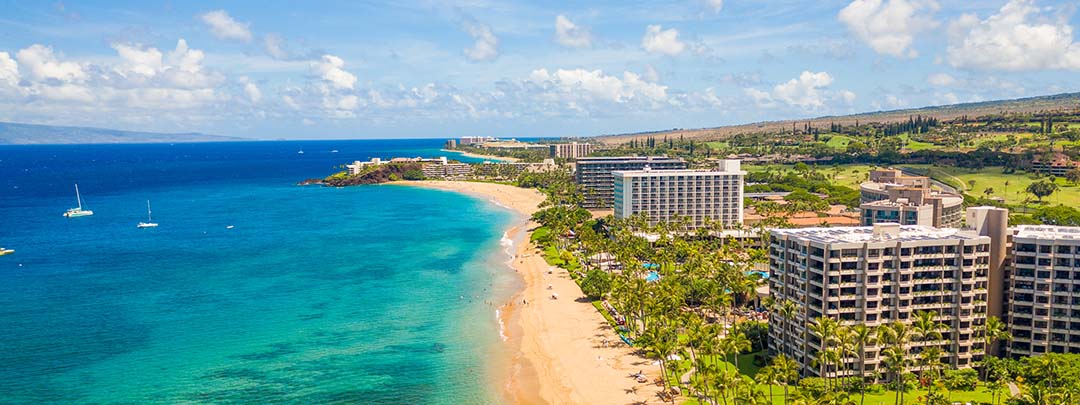
    West Maui is known for resort areas, ocean views, and access to beaches and snorkeling spots. Kāʻanapali has a concentration of hotels, resorts, and condominium accommodations, while Napili and Kapalua offer a quieter setting with bays, golf courses, and coastal scenery.

    Lahaina is also in West Maui. The community continues to recover from the 2023 wildfires, and conditions, access, and available accommodations can change. Check current guidance from Maui County and local authorities before visiting, and follow any posted restrictions. Visitors should be especially thoughtful about residents’ privacy and the ongoing recovery.

    Best for: Travelers looking for resort amenities, beach time, and a West Maui base.

    South Maui: Sunny Beaches and Easygoing Stays

    South Maui includes Kīhei, Wailea, and Mākena. Kīhei has a relaxed, casual atmosphere and a range of accommodations, including hotels and condominium-style stays. It can be a practical choice for travelers who want beach access, dining options, and a central base for exploring the south side of the island.

    Wailea is known for upscale resorts, landscaped grounds, and access to beaches and golf. Farther south, Mākena has a more secluded feel, though lodging options are more limited. Always check beach conditions and posted safety information before swimming.

    Best for: Families, couples, beach lovers, and travelers who want sunny weather and convenient amenities.

    Central Maui: A Convenient Home Base

    Kahului and Wailuku are practical choices for travelers who value convenience. Kahului is close to the airport, shopping, and everyday services. Wailuku has a historic downtown and provides a gateway to ʻĪao Valley and other parts of central Maui.

    Central Maui may not offer the same resort-style beach setting as the coast, but it can make getting around easier, especially for visitors planning to explore several regions. If visiting ʻĪao Valley State Monument, check reservation requirements and current visitor information ahead of time.

    Best for: Travelers seeking a central location, shorter airport transfers, or access to local services.

    Upcountry Maui: Cooler Weather and Rural Charm

    Upcountry Maui includes communities such as Makawao, Pukalani, and Kula, on the slopes of Haleakalā. You’ll find a cooler climate, open landscapes, farms, and small-town character. Lodging is generally more spread out than in the resort areas, and a rental car is especially useful.

    Upcountry can be a memorable choice for travelers interested in a quieter setting or planning to visit Haleakalā. Temperatures near the summit can be cold, even when the coast is warm, so bring layers if you’re heading up for sunrise or sunset.

    Best for: Nature-focused trips, rural scenery, and visitors who prefer a quieter base.

    Hāna and East Maui: A Remote, Immersive Stay

    Hāna is a small community on Maui’s eastern coast, surrounded by rainforest, waterfalls, and rugged shoreline. Staying overnight can give you more time to experience the area without making the full drive back in one day. Accommodations are limited, so book early and plan ahead for meals, fuel, and supplies.

    The Road to Hāna is narrow in places and includes one-lane bridges and winding stretches. Drive carefully, obey signs, and avoid blocking traffic or parking in unsafe areas. Be respectful of residents and private property, and use only designated access points.

    Best for: Travelers who want a slower pace, dramatic scenery, and an overnight adventure.

    Which Part of Maui Should You Choose?

    • For resorts and snorkeling: Consider Kāʻanapali, Napili, or Kapalua, after checking current local conditions.
    • For a relaxed beach vacation: Look at Kīhei or Wailea.
    • For convenience: Consider Kahului or Wailuku.
    • For a rural escape: Explore Makawao or Kula.
    • For an extended Road to Hāna experience: Look for lodging in or near Hāna.

    Tips for Booking a Place to Stay on Maui

    • Choose your area based on your itinerary. Maui is larger and takes longer to cross than it may appear on a map.
    • Confirm that a rental is authorized. Vacation-rental rules and permitted properties can vary by location and change over time. Verify the property’s status before booking.
    • Read the full price details. Compare taxes, cleaning fees, parking costs, resort fees, and cancellation terms.
    • Plan transportation. A rental car is useful for many Maui trips, particularly if you’re staying outside a resort area or visiting Upcountry or Hāna.
    • Check current conditions. Weather, road access, park reservations, and community guidance can affect plans.
    • Travel respectfully. Follow local rules, support local businesses, and treat neighborhoods as communities—not attractions.

    Find a Maui Stay That Fits Your Trip

    The best place to stay on Maui depends on what you hope to experience. A resort area may suit a beach-centered vacation, while Central Maui can be convenient for island-wide exploring. Upcountry and Hāna offer a different pace and landscape. Compare locations, check current local information, and choose accommodations that fit both your plans and your budget.


    Where to Stay in Maui: 9 Tips for Choosing the Right Base

    1. Choose Kihei for sunny beaches and a range of vacation rentals.
    2. Stay in Wailea for upscale resorts and calm, scenic beaches.
    3. Consider Kāʻanapali for resort amenities and easy beach access.
    4. Pick Pāʻia for a laid-back North Shore base near surf spots.
    5. Stay in Wailuku for local dining and access to Central Maui.
    6. Choose Upcountry for cooler weather and a quieter, rural feel.
    7. Book Hāna only if you want a remote stay and a slower itinerary.
    8. Check current access, services, and local guidance before booking West Maui.
    9. Reserve early during peak seasons, and confirm parking and resort fees.

    Choose Kihei for sunny beaches and a range of vacation rentals.

    Choose Kīhei for sunny beaches and a wide range of vacation rentals, from condos to family-friendly stays. Its relaxed atmosphere, nearby restaurants, and easy access to South Maui beaches make it a convenient home base for swimming, snorkeling, and exploring the island. Compare locations and amenities before booking, and confirm that any vacation rental is authorized.

    Stay in Wailea for upscale resorts and calm, scenic beaches.

    Stay in Wailea if you’re looking for an upscale Maui getaway, with elegant resorts, oceanfront dining, and beautifully maintained grounds. The area is also known for calm, scenic beaches that are ideal for swimming, snorkeling, or relaxing by the water. With coastal walking paths and striking sunset views, Wailea makes a peaceful home base for a polished beach vacation.

    Consider Kāʻanapali for resort amenities and easy beach access.

    Consider staying in Kāʻanapali if you’re looking for resort amenities and easy access to the beach. The area offers a range of places to stay, along with nearby dining, shopping, and opportunities to enjoy Maui’s coastline. It can be a convenient home base for a relaxing beach-focused getaway.

    Pick Pāʻia for a laid-back North Shore base near surf spots.

    Choose Pāʻia for a laid-back North Shore base with a charming small-town feel and easy access to nearby surf spots. The town has cafés, restaurants, and local shops, while nearby beaches draw surfers and ocean lovers. Conditions can vary, so check surf and beach safety updates before heading out, and remember that a car is useful for exploring the rest of Maui.

    Stay in Wailuku for local dining and access to Central Maui.

    Stay in Wailuku for a convenient base with a local feel. The town offers independently owned restaurants, cafés, and shops, while its Central Maui location makes it easier to reach places like Kahului, ʻĪao Valley, and other parts of the island. Choose Wailuku if you want to explore beyond the resort areas and enjoy a quieter, more community-centered stay.

    Choose Upcountry for cooler weather and a quieter, rural feel.

    Choose Upcountry Maui for cooler temperatures, open landscapes, and a quieter, rural feel. Areas such as Makawao and Kula offer a change of pace from the busy beach resorts, with farms, small-town charm, and scenic views across the island. A rental car is helpful for getting around, and visitors should pack layers, especially when heading to higher elevations.

    Book Hāna only if you want a remote stay and a slower itinerary.

    Book a stay in Hāna if you’re looking for a remote getaway and want to explore East Maui at a slower pace. Overnight lodging is limited, and the area is far from many of the island’s services and resort hubs, so plan ahead for meals, supplies, and transportation. An overnight stay can give you more time to enjoy the scenery without rushing the Road to Hāna in a single day.

    Check current access, services, and local guidance before booking West Maui.

    Before booking a stay in West Maui, check the latest information from Maui County and local authorities about access, available services, and visitor guidance. Conditions can change, so confirm that roads, businesses, and amenities you plan to use are open, and follow any restrictions or requests from the community. This helps you plan responsibly and avoid disrupting residents or recovery efforts.

    Reserve early during peak seasons, and confirm parking and resort fees.

    Reserve your Maui accommodations early, especially during peak travel seasons, when popular hotels and vacation rentals can book up quickly. Before you finalize your reservation, review the total cost and confirm whether parking and resort fees are included or charged separately. These extra costs can add up, so checking the details in advance helps you choose a stay that fits your budget.
    Maui Hotels All Inclusive: What to Know Before You Book

    No Comments
    maui hotels all inclusive

    Maui Hotels All Inclusive: What to Know Before You Book

    Planning a Maui vacation and hoping to book an all-inclusive hotel? It helps to know that Maui has relatively few resorts offering the classic all-inclusive model, where one upfront price covers your room, meals, drinks, and activities. Most Maui hotels and resorts charge separately for dining and experiences, though some offer packages or room plans that bundle selected extras.

    That doesn’t mean an all-inclusive-style trip is out of reach. With the right resort, dining plan, or vacation package, you can make costs more predictable while enjoying Maui’s beaches, scenery, and local culture.

    Does Maui have all-inclusive resorts?

    Maui is not known for traditional all-inclusive resorts. Instead, many properties offer a luxury resort experience with restaurants, pools, beach access, and activities available on-site, but guests generally pay for these separately. Packages may include breakfast, resort credit, parking, or certain activities, but the details vary by property and season.

    Before booking, check exactly what “included” means. A package advertised as a meal plan, for example, may cover breakfast only or provide a dining credit rather than unlimited meals. Taxes, gratuities, parking, and resort fees may also be extra.

    Maui resorts to consider

    Several well-known Maui properties offer the kind of amenities travelers often seek in an all-inclusive stay. They are not necessarily all-inclusive, so confirm current packages and inclusions directly with the hotel.

    • Grand Wailea, A Waldorf Astoria Resort: A large Wailea resort with multiple pools, dining options, and a range of activities. Look for current offers that may bundle select extras.
    • Four Seasons Resort Maui at Wailea: An upscale beachfront property with restaurants, pools, and guest services. Meals and many activities are typically separate unless a booking offer says otherwise.
    • Fairmont Kea Lani: An all-suite and villa resort in Wailea. Its accommodations and on-site amenities may suit travelers who want a comfortable base with dining close by.
    • Andaz Maui at Wailea Resort: A contemporary beachfront resort with several dining venues and pools. Review the rate details carefully to see whether breakfast or other benefits are included.
    • Hotel Wailea: An adults-only boutique hotel with a quieter atmosphere. It may appeal to couples seeking a more intimate stay, though it is not a conventional all-inclusive resort.
    • Hana-Maui Resort: A secluded option on Maui’s east side. Its remote setting can make meal planning especially important, so check what dining and package options are available before you arrive.

    How to create an all-inclusive-style Maui vacation

    If you prefer to settle more of your expenses before traveling, use these steps to build a package that fits your plans:

    1. Compare total prices, not just nightly rates. Add taxes, resort fees, parking, meals, and transportation to the room cost.
    2. Ask what a package includes. Confirm whether meals are fully covered, limited to certain restaurants, or provided as a credit. Check whether drinks, gratuities, and room service are included.
    3. Consider a meal plan or dining credit. These can make budgeting easier if you expect to eat most meals at the resort.
    4. Choose a location that matches your plans. Wailea and Kāʻanapali have many resort amenities nearby, while staying in Hāna offers a more remote experience and requires extra planning.
    5. Book activities in advance when appropriate. Popular excursions and cultural experiences may have limited availability and are often not part of a hotel rate.

    Is an all-inclusive-style stay worth it?

    A bundled stay can be convenient for travelers who want to spend much of their vacation at one property, especially families and couples who value easy access to meals and activities. It may be less useful for visitors who plan to explore the island, eat at local restaurants, or take day trips most days.

    Maui’s food, landscapes, and communities are a major part of the experience. Leaving room in your itinerary for local restaurants and independent activities can add variety to your trip. Just remember that driving times can be longer than they appear on a map, so plan outings around where you are staying.

    What to check before booking

    • Which meals, drinks, and activities are included in the rate
    • Whether the package applies to every guest in the room
    • Extra charges for taxes, parking, resort fees, or gratuities
    • Cancellation terms and whether package components are refundable
    • Restaurant hours and availability during your travel dates
    • Transportation options and the distance to the places you want to visit

    Finding the right Maui hotel

    Although Maui has limited traditional all-inclusive hotels, many resorts offer amenities and packages that can make a vacation feel more seamless. Compare the full cost of each stay, read the package terms closely, and choose a location that suits your travel style. A little planning can help you enjoy a relaxing Maui getaway without surprises at checkout.


    5 Pros of All-Inclusive Maui Hotels: Convenience, Easy Budgeting, and Island Adventures

    1. Convenient dining and amenities in one place
    2. Easier vacation budgeting with bundled packages
    3. Less time spent planning meals
    4. Resort activities and relaxation close at hand
    5. A comfortable home base for exploring Maui


    7 Drawbacks of All-Inclusive Hotels in Maui

    1. Few traditional all-inclusive resorts
    2. Meals often cost extra
    3. Drinks may not be included
    4. Resort fees can add up
    5. Activities may require separate booking
    6. Dining plans can have restrictions
    7. Remote locations may limit food options

    Convenient dining and amenities in one place

    One of the biggest advantages of an all-inclusive-style stay in Maui is having dining and amenities close at hand. When meals, pools, beach access, and select activities are available at your resort, you can spend less time coordinating plans and more time relaxing. This convenience can be especially helpful for families, travelers with limited mobility, or anyone who prefers an easygoing vacation—but check your booking details, since inclusions vary and many Maui resorts charge separately for meals and activities.

    Easier vacation budgeting with bundled packages

    Bundled packages can make budgeting for a Maui vacation easier by combining costs such as accommodations, meals, drinks, or select activities into one upfront price. Knowing more of your expenses before you arrive can help you plan your overall trip budget and reduce the need to track every purchase during your stay. Package details vary, so check what’s included—and what costs extra—before booking.

    Less time spent planning meals

    One benefit of an all-inclusive-style stay in Maui is spending less time planning meals. When dining is included or bundled into your hotel package, you don’t have to research restaurants, make as many reservations, or decide where to eat throughout the day. That added convenience can leave more time for relaxing by the pool, exploring the island, or enjoying the scenery—especially helpful for families and travelers who prefer a simpler vacation routine.

    Resort activities and relaxation close at hand

    One of the biggest benefits of an all-inclusive-style stay in Maui is having resort activities and relaxation close at hand. Spend the morning by the pool, join an on-site fitness class or cultural activity, and unwind with a spa treatment or sunset stroll—all without needing to plan a long drive. With dining and amenities nearby, it’s easy to shape each day around your mood, whether you want to stay active or simply slow down and enjoy the island.

    A comfortable home base for exploring Maui

    Maui hotels with all-inclusive-style packages can provide a comfortable home base for exploring the island. After a day of beach time, scenic drives, or local activities, return to a welcoming resort with convenient dining, relaxing amenities, and space to recharge. Choosing a property in the area that best fits your plans can also make it easier to balance excursions with downtime, so you can enjoy more of Maui at your own pace.

    Few traditional all-inclusive resorts

    One drawback of booking an all-inclusive-style stay in Maui is that few hotels offer the traditional model, where meals, drinks, and activities are covered in one upfront price. Many resorts charge separately for dining and experiences, so it can take extra research to compare the true cost of a stay. Before booking, review what each rate or package includes and check for additional charges such as resort fees, parking, taxes, and gratuities.

    Meals often cost extra

    One downside of staying at a Maui hotel is that meals often cost extra, since many resorts don’t include food in the room rate. Dining on-site can be convenient, but restaurant prices can add up quickly—especially for families or longer stays. Before booking, check whether breakfast, meal plans, or dining credits are available, and compare those costs with nearby restaurants and grocery options.

    Drinks may not be included

    One drawback of Maui hotel packages is that drinks may not be included, even when some meals are covered. Guests might pay extra for cocktails, wine, specialty coffee, or other beverages, and those charges can add up over the course of a stay. Before booking, check whether the package includes drinks, which options are covered, and whether there are limits or additional fees.

    Resort fees can add up

    Resort fees can add up quickly at Maui hotels, even when a rate or package seems like a good deal. These extra daily charges may cover amenities such as Wi-Fi, pool access, or beach services, but they’re often billed separately from the room price and may not include meals or activities. Check the full cost before booking so you can compare hotels accurately and avoid surprises at checkout.

    Activities may require separate booking

    One drawback of Maui hotels that advertise all-inclusive-style packages is that activities may require separate booking and payment. Excursions, cultural experiences, water sports, and guided tours aren’t always included in the room rate, even when meals or resort amenities are bundled. Check the package details before booking, and reserve popular activities early so you can plan your budget and avoid missing out.

    Dining plans can have restrictions

    Dining plans at Maui hotels can come with restrictions that limit where, when, or what you can eat. A package may apply only to select restaurants, cover certain meals, or provide a fixed credit instead of unlimited dining, and drinks, gratuities, or special menu items may cost extra. If you plan to explore local restaurants or have specific dietary needs, check the terms before booking to make sure the plan fits your travel style.

    Remote locations may limit food options

    One drawback of some Maui hotels is their remote location, which can limit your food options. If the resort has only a few restaurants nearby, you may end up relying on on-site dining, where prices can be higher and menus less varied. This can make it harder to sample local restaurants or find quick, budget-friendly meals, so check nearby dining options and transportation before you book.