Tag: petroglyphs

    What is the Big Island in Hawaii Called?
    No Comments
    what is the big island in hawaii called

    What is the Big Island in Hawaii Called?

    What is the Big Island in Hawaii Called?

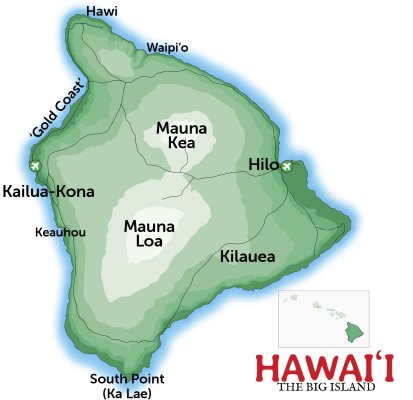
    Hawaii’s Big Island is officially known as “Hawaii Island.” It is the largest of the Hawaiian Islands and is often referred to simply as “the Big Island” to avoid confusion with the name of the state itself.

    With an area of over 4,000 square miles, Hawaii Island offers a diverse range of landscapes, from lush rainforests to volcanic deserts. It is home to two active volcanoes, Mauna Loa and Kilauea, making it a hotspot for geology enthusiasts and nature lovers alike.

    The island’s rich cultural history can be seen in its many archaeological sites, petroglyphs, and historic landmarks. Visitors can also experience traditional Hawaiian culture through hula performances, luaus, and visits to local communities.

    Whether you’re interested in exploring volcanic landscapes, relaxing on beautiful beaches, or immersing yourself in Hawaiian culture, Hawaii Island has something for everyone. Its unique blend of natural beauty and cultural heritage makes it a must-visit destination for travelers from around the world.


    Discovering Hawaii Island: 5 Key Facts About the Big Island’s Unique Features

    1. The Big Island in Hawaii is officially named Hawaii Island.
    2. It is the largest island in the Hawaiian archipelago.
    3. The Big Island is known for its diverse climate zones, ranging from tropical rainforests to barren deserts.
    4. Visitors can explore active volcanoes, black sand beaches, and lush valleys on the island.
    5. Hawaii Island offers opportunities for snorkeling, hiking, and stargazing due to its unique natural landscapes.

    The Big Island in Hawaii is officially named Hawaii Island.

    The Big Island in Hawaii is officially named Hawaii Island. This distinction helps avoid confusion with the name of the state itself and highlights the island’s unique identity as the largest and most diverse of the Hawaiian Islands. Known for its stunning natural landscapes, active volcanoes, and rich cultural history, Hawaii Island offers visitors a truly immersive experience that showcases the beauty and heritage of the Hawaiian archipelago.

    It is the largest island in the Hawaiian archipelago.

    The Big Island in Hawaii, officially known as Hawaii Island, holds the distinction of being the largest island in the Hawaiian archipelago. With its vast expanse spanning over 4,000 square miles, this island offers a diverse range of landscapes and attractions for visitors to explore and enjoy. From volcanic landscapes to lush rainforests, Hawaii Island’s natural beauty is truly captivating. Its size and unique geological features make it a standout destination within the Hawaiian Islands, drawing travelers seeking adventure, relaxation, and cultural experiences alike.

    The Big Island is known for its diverse climate zones, ranging from tropical rainforests to barren deserts.

    The Big Island of Hawaii is renowned for its remarkable diversity in climate zones, offering visitors a unique opportunity to experience a wide range of environments within a single island. From lush tropical rainforests teeming with life to stark barren deserts shaped by volcanic activity, the island’s varied landscapes showcase the incredible natural beauty and geological richness of Hawaii. Whether exploring verdant jungles, relaxing on picturesque beaches, or marveling at volcanic craters, the Big Island’s diverse climate zones provide endless opportunities for adventure and discovery.

    Visitors can explore active volcanoes, black sand beaches, and lush valleys on the island.

    Visitors to the Big Island of Hawaii, also known as Hawaii Island, have the opportunity to explore a diverse range of landscapes and attractions. From witnessing the raw power of active volcanoes like Mauna Loa and Kilauea, to strolling along unique black sand beaches formed by volcanic activity, and hiking through lush valleys teeming with tropical vegetation, there is no shortage of natural wonders to discover on this island. Whether you’re seeking adventure, relaxation, or a deeper connection to nature, the Big Island offers a truly unforgettable experience for all who visit.

    Hawaii Island offers opportunities for snorkeling, hiking, and stargazing due to its unique natural landscapes.

    Hawaii Island, also known as the Big Island, provides a perfect setting for adventure enthusiasts and nature lovers alike. With its diverse natural landscapes, including volcanic terrain and pristine beaches, the island offers a plethora of activities such as snorkeling in crystal-clear waters, hiking through lush rainforests, and stargazing under the clear night sky. Whether you seek underwater exploration, challenging trails, or awe-inspiring celestial views, Hawaii Island presents endless opportunities for unforgettable experiences in the heart of paradise.

    Discovering the Beauty of South Point: A Journey to Hawaii’s Southernmost Tip

    No Comments
    southpoint

    Exploring South Point: Hawaii’s Southernmost Tip

    Exploring South Point: Hawaii’s Southernmost Tip

    South Point, located on the Big Island of Hawaii, is a place of rugged beauty and historical significance. As the southernmost point of the United States, it holds a special allure for visitors seeking adventure and a connection to the land.

    One of the most striking features of South Point is its dramatic cliffs and crystal-clear waters. The area is popular among fishermen and cliff jumpers, who brave the heights to plunge into the deep blue sea below. The views from the cliffs are breathtaking, offering panoramic vistas of the Pacific Ocean stretching out to the horizon.

    South Point is also known for its strong ocean currents and winds, making it a prime spot for wind and kite surfing. Adventurous visitors can test their skills on the waves while taking in the stunning scenery that surrounds them.

    For those interested in history, South Point holds cultural significance as well. The area is home to several archaeological sites, including ancient Hawaiian fishing villages and petroglyphs that offer a glimpse into the island’s past.

    Whether you’re looking for outdoor adventure or a deeper connection to Hawaii’s rich history and culture, South Point has something to offer every visitor. So pack your bags, grab your camera, and get ready to explore this unique and captivating destination at the southern edge of paradise.


    Top 9 Frequently Asked Questions About Visiting South Point

    1. 1. Where is South Point located?
    2. 2. What is the significance of South Point being the southernmost point of the United States?
    3. 3. What are some popular activities to do at South Point?
    4. 4. Are there any safety concerns when visiting South Point?
    5. 5. Is it possible to swim or snorkel at South Point?
    6. 6. Are there any amenities or facilities available at South Point for visitors?
    7. 7. What is the best time of year to visit South Point?
    8. 8. Can I camp or stay overnight at South Point?
    9. 9. Are there guided tours available for exploring South Point?

    1. Where is South Point located?

    South Point, also known as Ka Lae, is located on the Big Island of Hawaii. It is recognized as the southernmost point of the United States and is a popular destination for visitors seeking adventure and natural beauty. The area is characterized by rugged cliffs, crystal-clear waters, and strong ocean currents, making it a prime spot for activities such as fishing, cliff jumping, wind surfing, and kite surfing. Additionally, South Point holds cultural significance with its archaeological sites showcasing ancient Hawaiian fishing villages and petroglyphs.

    2. What is the significance of South Point being the southernmost point of the United States?

    The significance of South Point being the southernmost point of the United States lies in its unique geographical position. As the southernmost tip of the country, South Point holds a symbolic importance as a gateway to the vast expanse of the Pacific Ocean. It serves as a reminder of the United States’ connection to not only its own land but also to the broader world beyond its shores. This geographical distinction draws visitors seeking to experience this sense of boundary and explore a place that marks the edge of American territory, offering a perspective that is both captivating and thought-provoking.

    At South Point, visitors can enjoy a variety of popular activities that showcase the area’s natural beauty and cultural significance. Fishing and cliff jumping are among the favorite pastimes, allowing thrill-seekers to experience the adrenaline rush of leaping into the clear waters below or trying their luck at catching local fish. For those seeking a more serene experience, exploring the archaeological sites and petroglyphs in the area offers a glimpse into Hawaii’s rich history and culture. Additionally, wind and kite surfing enthusiasts flock to South Point to take advantage of the strong ocean currents and winds, providing an exhilarating experience against the backdrop of stunning coastal views.

    4. Are there any safety concerns when visiting South Point?

    When visiting South Point, it is important to be mindful of safety concerns due to the rugged terrain and strong ocean currents in the area. Visitors should exercise caution when exploring the cliffs or engaging in water activities such as swimming or cliff jumping. It is recommended to stay on designated paths and avoid venturing too close to the edge of cliffs. Additionally, being aware of changing weather conditions and tides is essential for a safe visit to South Point. By staying alert and respecting the natural environment, visitors can enjoy their experience at this unique destination while prioritizing their safety.

    5. Is it possible to swim or snorkel at South Point?

    Swimming and snorkeling at South Point can be a thrilling experience, but it’s important to exercise caution due to the strong ocean currents and winds in the area. While some adventurous swimmers and snorkelers do venture into the crystal-clear waters off the cliffs, it is recommended only for experienced individuals who are confident in their swimming abilities. For those looking to enjoy water activities at South Point, it’s advisable to check local conditions, seek advice from experts, and prioritize safety above all else.

    6. Are there any amenities or facilities available at South Point for visitors?

    Visitors to South Point should be aware that the area does not offer many amenities or facilities for their convenience. As a remote and rugged location, there are limited services available at South Point. It is recommended for visitors to come prepared with their own food, water, and supplies when exploring this area. Additionally, there are no restroom facilities or shops nearby, so it is important to plan ahead and pack accordingly for a visit to South Point. Despite the lack of amenities, the natural beauty and unique experiences that South Point offers make it a worthwhile destination for those seeking adventure and exploration off the beaten path.

    7. What is the best time of year to visit South Point?

    The best time of year to visit South Point on the Big Island of Hawaii is typically during the drier months of May through September. This period offers more stable weather conditions with less rainfall, making it ideal for outdoor activities such as cliff jumping, fishing, and surfing. However, it’s important to note that South Point can experience strong winds and currents year-round, so visitors should always exercise caution when engaging in water activities. Ultimately, the best time to visit South Point depends on your preferences and what you hope to experience during your trip to this southernmost tip of the United States.

    8. Can I camp or stay overnight at South Point?

    Visitors often wonder about the possibility of camping or staying overnight at South Point. While camping is technically allowed at South Point, there are some important considerations to keep in mind. The area lacks amenities such as restrooms and running water, so visitors must come prepared with all necessary supplies. Additionally, the strong winds and unpredictable weather conditions can make camping a challenging experience. Despite these challenges, camping at South Point offers a unique opportunity to immerse oneself in the rugged beauty of the southernmost tip of Hawaii and enjoy breathtaking sunrises and sunsets over the Pacific Ocean.

    9. Are there guided tours available for exploring South Point?

    Yes, there are guided tours available for exploring South Point. Many tour operators on the Big Island of Hawaii offer guided excursions to this unique and picturesque destination. These tours often provide valuable insights into the history, culture, and natural beauty of South Point, allowing visitors to learn more about this significant area from knowledgeable guides. Whether you prefer a group tour or a private excursion, there are options available to suit every traveler’s preferences and interests. Joining a guided tour can enhance your experience at South Point and help you make the most of your visit to this iconic location.