Tag: tempura

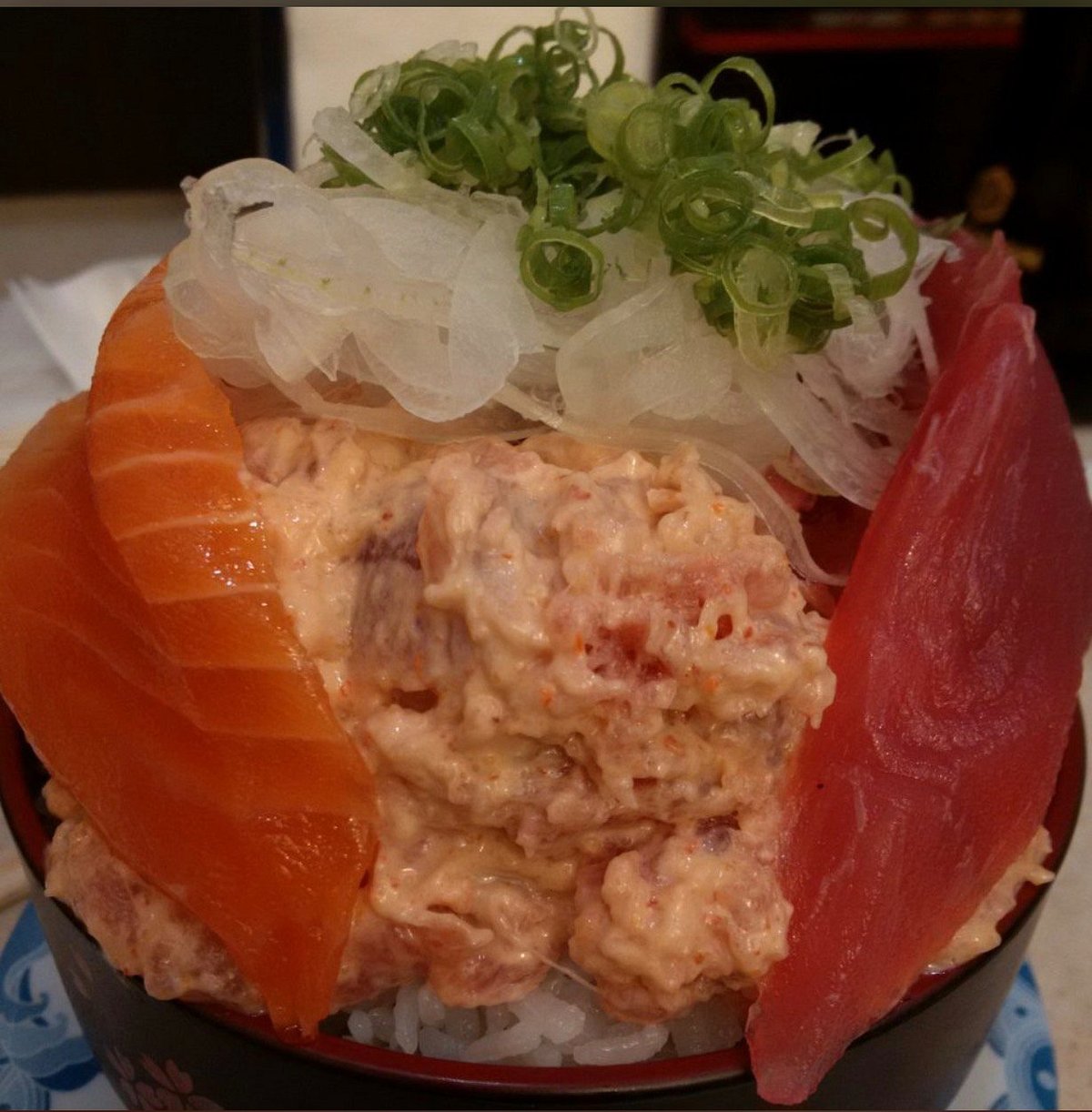
    Savoring Sushi Delights at Sushi Bay Kapolei
    No Comments
    sushi bay kapolei

    Sushi Bay Kapolei: A Culinary Delight in Hawaii

    Sushi Bay Kapolei: A Culinary Delight in Hawaii

    Located in the vibrant city of Kapolei, Sushi Bay is a hidden gem that offers an unforgettable dining experience for sushi lovers and food enthusiasts alike. With its fresh ingredients, innovative dishes, and welcoming atmosphere, Sushi Bay has quickly become a favorite among locals and tourists.

    At Sushi Bay Kapolei, the skilled chefs craft each sushi roll with precision and creativity. From classic rolls like California and spicy tuna to signature creations such as the Volcano Roll and Dragon Roll, there is something to satisfy every palate. The use of high-quality fish and ingredients ensures that every bite is a burst of flavor.

    Aside from their exquisite sushi offerings, Sushi Bay also serves a variety of traditional Japanese dishes, including tempura, teriyaki, and udon noodles. The menu caters to both sushi aficionados and those looking for a taste of authentic Japanese cuisine.

    The inviting ambiance of Sushi Bay Kapolei makes it the perfect spot for a casual lunch with friends or a special dinner with loved ones. The friendly staff provides excellent service, adding to the overall dining experience.

    Whether you are a sushi connoisseur or simply looking to explore new culinary delights, Sushi Bay Kapolei is a must-visit destination in Hawaii. Indulge in fresh flavors, expertly crafted dishes, and warm hospitality at this beloved establishment.


    Essential Information About Sushi Bay Kapolei: Quality, Reservations, Hours, and Freshness

    1. Do they have good sushi in Hawaii?
    2. Does Sushi Bay Kapolei take reservations?
    3. What are the hours of operation for Sushi Bay Kapolei?
    4. Is the fish fresh at Sushi Bay Kapolei?

    Do they have good sushi in Hawaii?

    When it comes to finding good sushi in Hawaii, Sushi Bay Kapolei stands out as a top choice. With its commitment to using fresh, high-quality ingredients and skilled chefs who craft each roll with precision and creativity, Sushi Bay offers a culinary experience that delights both locals and tourists alike. The diverse menu at Sushi Bay includes classic rolls and signature creations, ensuring that there is something for everyone to enjoy. Whether you are a sushi aficionado or new to the world of sushi, Sushi Bay Kapolei is sure to impress with its delicious and expertly crafted offerings.

    Does Sushi Bay Kapolei take reservations?

    Yes, Sushi Bay Kapolei does accept reservations. To ensure a seamless dining experience and secure your preferred dining time, we recommend making a reservation in advance. Whether you are planning a special celebration or simply want to guarantee a table during peak hours, reserving a spot at Sushi Bay Kapolei allows you to relax and enjoy your meal without worrying about availability. Contact us today to make a reservation and savor the exceptional culinary offerings at Sushi Bay Kapolei.

    What are the hours of operation for Sushi Bay Kapolei?

    For those curious about the operating hours of Sushi Bay Kapolei, the restaurant typically opens its doors from 11:00 AM to 9:00 PM, seven days a week. This consistent schedule allows patrons to enjoy their favorite sushi rolls and Japanese dishes throughout the week, making it convenient for both locals and visitors to indulge in a culinary experience at Sushi Bay Kapolei.

    Is the fish fresh at Sushi Bay Kapolei?

    One of the most frequently asked questions about Sushi Bay Kapolei is regarding the freshness of their fish. Rest assured, at Sushi Bay Kapolei, freshness is a top priority. The skilled chefs source high-quality fish and ingredients to ensure that every sushi roll and dish is made with the freshest ingredients available. With a commitment to quality and excellence, Sushi Bay Kapolei guarantees a dining experience that is not only delicious but also authentic and memorable.

    Exploring the Enchanting World of Japanese Culture

    No Comments
    japanese

    The Fascinating Culture of Japan

    The Fascinating Culture of Japan

    Japan, a country known for its rich history and vibrant traditions, has captivated people around the world with its unique culture. From its ancient temples to modern technology, Japan offers a blend of old-world charm and cutting-edge innovation.

    One of the most iconic aspects of Japanese culture is its cuisine. From sushi to ramen, Japanese food is celebrated for its exquisite flavors and meticulous preparation. Traditional tea ceremonies also hold a special place in Japanese culture, emphasizing harmony, respect, purity, and tranquility.

    Japanese art forms such as origami, ikebana (flower arranging), and ukiyo-e (woodblock prints) showcase the country’s creativity and attention to detail. The graceful movements of traditional Japanese dance and the melodious sounds of the shamisen (a three-stringed instrument) reflect the beauty and elegance that define Japanese performing arts.

    Japan’s festivals, such as cherry blossom viewing during Hanami season and the lively Bon Odori dance festivals in summer, provide a glimpse into the country’s vibrant traditions and community spirit. Onsen (hot springs) are also an integral part of Japanese culture, offering relaxation and rejuvenation in natural settings.

    Japanese architecture is renowned for its blend of traditional design elements with modern innovations. From historic temples like Kinkaku-ji (Golden Pavilion) in Kyoto to contemporary structures like Tokyo Skytree, Japan’s architectural landscape is a testament to its rich cultural heritage.

    Technology plays a significant role in modern Japanese society, with innovations in robotics, transportation, and electronics setting global trends. The concept of “omotenashi,” or hospitality, is deeply ingrained in Japanese culture, ensuring that visitors experience warm welcomes and exceptional service wherever they go.

    In conclusion, Japan’s culture is a fascinating tapestry woven with tradition, innovation, artistry, and hospitality. Whether you are exploring ancient temples or bustling city streets, Japan offers a captivating journey into a world where past meets present in perfect harmony.


    “Discovering Japan: Top Tourist Attractions Across the Land of the Rising Sun”

    3. “The Japanese Greeting Decoded: How

    1. What are some traditional Japanese foods?
    2. What are popular tourist attractions in Japan?
    3. How do you say hello in Japanese?
    4. What is the significance of cherry blossoms in Japanese culture?
    5. Can you recommend any traditional Japanese cultural experiences?

    What are some traditional Japanese foods?

    Traditional Japanese cuisine offers a delightful array of flavors and textures that reflect the country’s culinary heritage. Some iconic dishes include sushi, which features vinegared rice topped with fresh seafood or other ingredients; tempura, a light and crispy batter-fried dish often made with shrimp or vegetables; ramen, a hearty noodle soup typically served with savory broth and toppings like sliced pork and green onions; and yakitori, skewered and grilled chicken that is seasoned with a sweet-savory sauce. These are just a few examples of the diverse and delicious traditional foods that showcase the artistry and attention to detail that characterize Japanese cooking.

    Japan offers a diverse range of popular tourist attractions that cater to a wide variety of interests. From the iconic cherry blossoms of Kyoto’s Arashiyama district to the bustling streets of Tokyo’s Shibuya Crossing, visitors can immerse themselves in the rich cultural heritage and modern innovations of this captivating country. Historic landmarks like the ancient temples of Nara and Hiroshima’s Peace Memorial Park provide insight into Japan’s past, while futuristic attractions such as Osaka’s Universal Studios Japan and Hakone’s open-air art museum showcase the country’s cutting-edge creativity. Whether exploring traditional tea houses in Kanazawa or soaking in the natural beauty of Hokkaido’s national parks, Japan offers a treasure trove of unforgettable experiences for travelers from around the world.

    How do you say hello in Japanese?

    In Japanese, the common way to say hello is “Konnichiwa” (こんにちは). This greeting is typically used during the daytime and is a polite and friendly way to acknowledge someone. The pronunciation of “Konnichiwa” is “kon-nee-chee-wah,” with emphasis on the second syllable. Saying hello in Japanese is not only a way to greet someone but also a way to show respect and courtesy in Japanese culture.

    What is the significance of cherry blossoms in Japanese culture?

    Cherry blossoms, known as “sakura” in Japanese, hold deep cultural significance in Japan. These delicate pink flowers symbolize the transient nature of life, beauty, and renewal. The blooming of cherry blossoms in spring is celebrated nationwide through the tradition of “Hanami,” where people gather under the cherry trees to appreciate their beauty and enjoy picnics with family and friends. The ephemeral nature of cherry blossoms serves as a reminder to cherish each moment and embrace the fleeting beauty of life. In Japanese culture, the sakura represents hope, renewal, and the fleeting yet precious nature of existence.

    Can you recommend any traditional Japanese cultural experiences?

    For those seeking traditional Japanese cultural experiences, there are several recommendations to consider. Participating in a tea ceremony, known as “chanoyu” or “sado,” offers a serene and immersive introduction to the art of tea-making and the principles of harmony, respect, purity, and tranquility. Another popular experience is trying on a kimono and strolling through historic streets or visiting a traditional ryokan for an authentic Japanese hospitality experience. For those interested in arts and crafts, activities such as calligraphy lessons, pottery workshops, or learning the art of origami provide hands-on opportunities to engage with Japan’s artistic heritage. Additionally, attending a kabuki theater performance or exploring ancient temples and shrines can offer valuable insights into Japan’s rich cultural traditions.