Discover the Enchanting Beauty of Rainbow Waterfalls
The Enchanting Beauty of Rainbow Waterfalls
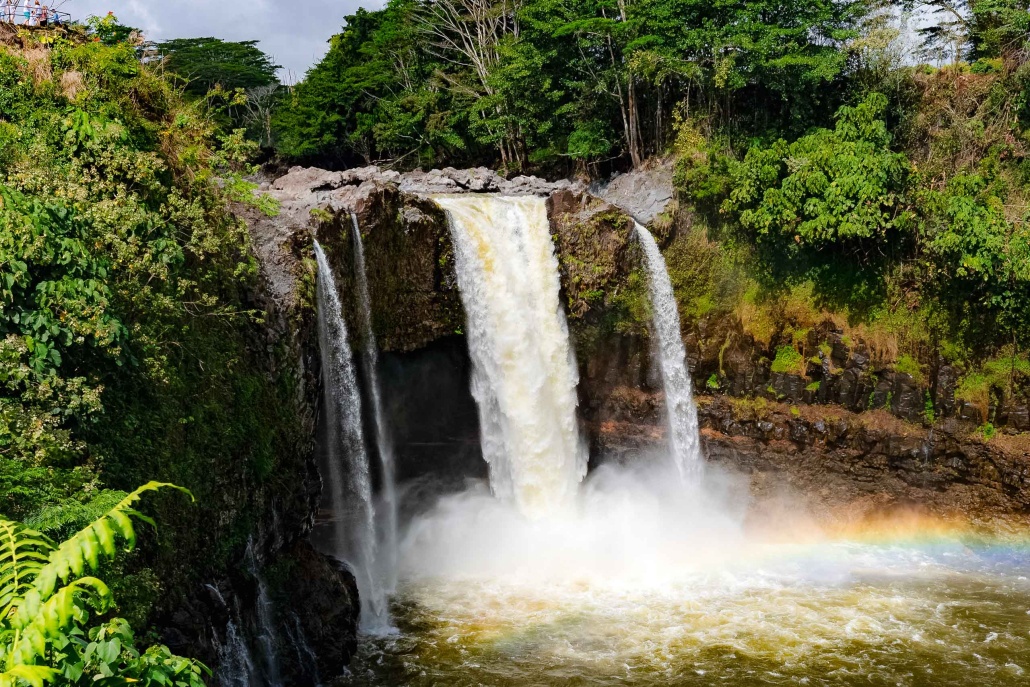
Imagine a place where cascading water meets the sunlight at just the right angle, creating a mesmerizing display of colors in the form of a rainbow. This magical sight can be witnessed at the breathtaking Rainbow Waterfalls.
Located deep within the lush forests, these waterfalls are a true natural wonder that captivates all who have the privilege to witness them. As the water plunges down the rocky cliffs, it creates a misty veil that catches the sunlight and transforms it into a vibrant spectrum of colors.
The rainbow effect is caused by the refraction and dispersion of light as it passes through the mist created by the falling water. Each color of the rainbow is clearly visible, creating a stunning visual display that seems almost surreal.
Visitors to Rainbow Waterfalls often describe their experience as magical and awe-inspiring. The combination of nature’s raw power and beauty coming together in such a harmonious way is truly a sight to behold.
Whether you are a nature enthusiast, an adventure seeker, or simply someone looking to witness something truly extraordinary, a visit to Rainbow Waterfalls promises an unforgettable experience that will stay with you long after you have left.
Exploring Rainbow Waterfalls: Top 5 Frequently Asked Questions
- Where are Rainbow Waterfalls located?
- What causes the rainbow effect at Rainbow Waterfalls?
- Are Rainbow Waterfalls accessible to visitors of all ages?
- Is there a best time of day to see the rainbow at Rainbow Waterfalls?
- Are there any guided tours available for visiting Rainbow Waterfalls?
Where are Rainbow Waterfalls located?
Rainbow Waterfalls are located deep within the lush forests, offering a hidden gem for nature lovers and adventure seekers alike. Nestled in a secluded area, these enchanting waterfalls can be found in a pristine natural setting that adds to their allure and mystique. The exact location of Rainbow Waterfalls may vary depending on the specific region or country, but one thing is certain – those who embark on the journey to find them are rewarded with a mesmerizing display of colors and beauty that will leave a lasting impression.
What causes the rainbow effect at Rainbow Waterfalls?
The rainbow effect at Rainbow Waterfalls is caused by the refraction and dispersion of light as it passes through the mist created by the falling water. When sunlight interacts with the water droplets in the air, it is bent and separated into its component colors, creating a stunning spectrum of hues that form a rainbow. This natural phenomenon occurs when the angle of sunlight hitting the mist is just right, allowing visitors to witness a mesmerizing display of colors at this enchanting natural wonder.
Are Rainbow Waterfalls accessible to visitors of all ages?
Rainbow Waterfalls are accessible to visitors of all ages, making it a family-friendly destination for everyone to enjoy. The trails leading to the waterfalls are typically well-maintained and easy to navigate, allowing even young children and elderly individuals to access the viewing areas. However, it is important to consider individual mobility and any specific physical limitations when planning a visit, as some trails may involve stairs or uneven terrain. Overall, Rainbow Waterfalls offer a scenic and memorable experience that can be enjoyed by visitors of all ages.
Is there a best time of day to see the rainbow at Rainbow Waterfalls?
The best time of day to see the rainbow at Rainbow Waterfalls is typically in the late morning to early afternoon when the sun is high in the sky. During this time, the angle of the sunlight hitting the mist created by the falling water is optimal for producing a vivid and colorful rainbow display. However, it’s important to note that weather conditions, such as cloud cover and rainfall, can also affect the visibility of the rainbow. Visitors may have a chance to witness this enchanting phenomenon at different times of the day, so it’s recommended to be patient and observant while exploring Rainbow Waterfalls.
Are there any guided tours available for visiting Rainbow Waterfalls?
For those interested in visiting Rainbow Waterfalls, there are several guided tours available that offer a unique and informative experience. These guided tours provide visitors with the opportunity to learn about the history, geology, and significance of the waterfalls from knowledgeable local guides. Additionally, guided tours often include transportation to and from the site, ensuring a hassle-free and enjoyable visit to this natural wonder. Whether you are a solo traveler or part of a group, opting for a guided tour can enhance your visit to Rainbow Waterfalls by providing valuable insights and context to enrich your experience.