Oahu Food: A Guide to the Island’s Local Flavors
Oahu Food: A Taste of Hawaii’s Local Culture
Food is one of the best ways to experience Oahu. The island’s cuisine reflects generations of Native Hawaiian tradition alongside influences from Japanese, Chinese, Filipino, Korean, Portuguese, and other communities. From everyday plate lunches to celebratory Hawaiian feasts, Oahu food is varied, generous, and closely connected to the island’s people and history.
Traditional Hawaiian Foods
Native Hawaiian cooking draws on ingredients found on land and sea. A classic dish is poi, made by pounding cooked taro into a smooth paste. Its mild, slightly tangy flavor pairs well with savory foods. Taro is also served in other forms, including kalo dishes and taro rolls.
Another favorite is kalua pig, traditionally cooked in an underground oven called an imu. The slow cooking gives the pork a tender texture and smoky flavor. It is often served with poi, rice, or cabbage. At a lūʻau, you may also find lāulau—pork or fish wrapped in taro leaves and cooked until tender—and lomi salmon, a chilled mixture of salted salmon, tomato, and onion.
Local Favorites to Try
- Plate lunch: A filling meal commonly served with rice and macaroni salad, plus a main dish such as teriyaki chicken, kalua pig, or fried fish.
- Poke: A dish of seasoned, bite-size fish, often served over rice. Recipes vary, so look for options made with fresh ingredients and flavors you enjoy.
- Spam musubi: Grilled Spam placed on a block of rice and wrapped with nori. It is a popular grab-and-go snack.
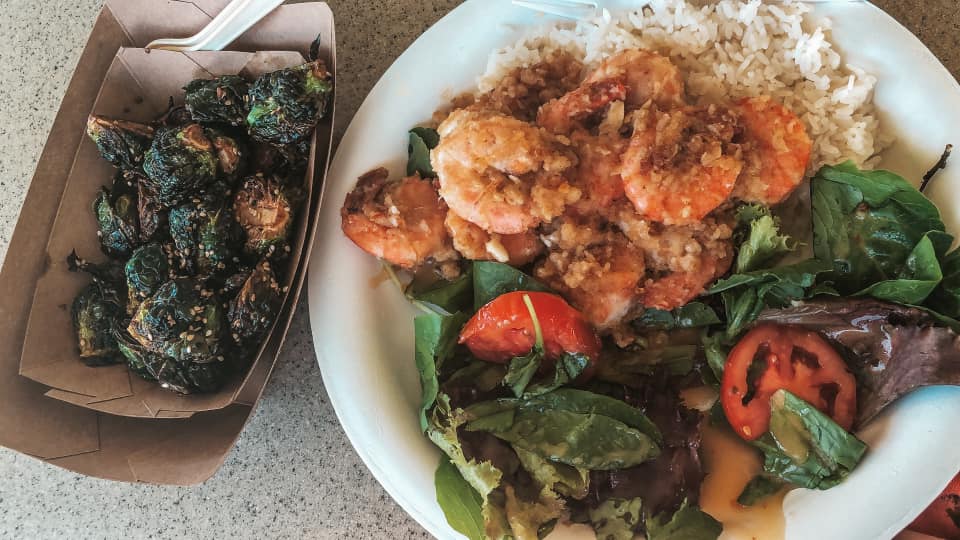
- Garlic shrimp: Shrimp sautéed with garlic and served with rice, especially associated with food trucks on Oahu’s North Shore.
- Shave ice: Finely shaved ice flavored with syrups. It may be topped with additions such as sweetened condensed milk or ice cream.
- Malasadas: Portuguese-inspired fried doughnuts, often rolled in sugar and sometimes filled with custard or other sweet fillings.
- Haupia: A coconut-based dessert with a soft, pudding-like texture, often served at gatherings and Hawaiian meals.
Food Shaped by Many Cultures
Oahu’s food scene reflects the island’s multicultural roots. Japanese influence can be found in dishes such as ramen, sushi, and bento. Filipino cooking contributes favorites like pancit and lumpia, while Portuguese traditions are remembered in malasadas and sweet bread. Korean barbecue, Chinese noodles, and local-style curries are also part of the island’s everyday food landscape.
Many meals combine these influences in distinctly local ways. You might find a plate lunch with Japanese-style teriyaki, macaroni salad, and rice, or a bakery serving pastries inspired by several culinary traditions. These combinations are not just a trend; they reflect the communities that have shaped life in Hawaii.
Where to Explore Oahu’s Food
Honolulu offers a wide range of dining, from casual neighborhood eateries and bakeries to restaurants serving contemporary island cuisine. In Waikiki, visitors can find everything from familiar favorites to local specialties. Beyond the city, towns and neighborhoods across the island have their own cafés, markets, food trucks, and family-run restaurants.
The North Shore is known for casual roadside food stops, including shrimp plates and other hearty meals. Oahu’s farmers markets are another way to discover locally grown produce, prepared foods, and regional treats. Market days and vendors can change, so check current schedules before making a special trip.
Tips for Enjoying Local Food
Come hungry: portions can be generous, and many local meals are designed to be satisfying. If you are trying several dishes, consider sharing. Ask about ingredients if you have allergies or dietary needs, since recipes and preparation methods vary by restaurant. For popular food trucks and small eateries, expect possible lines during busy meal times.
When visiting a farmers market or small business, be considerate of the people who live and work in the area. Follow posted rules, dispose of trash properly, and support local vendors when you can. Choosing locally grown or prepared food helps make your meal part of a more meaningful connection with the island.
More Than a Meal
Oahu food offers more than a chance to try new flavors. It tells stories of migration, family, land, and community. Whether you are sampling poke, enjoying a plate lunch, or sharing traditional Hawaiian dishes, take time to learn what is behind the food and appreciate the people who prepare it. A thoughtful approach can make every meal on Oahu a memorable part of your visit.
9 Reasons to Love Oahu’s Food Scene
- Rich blend of Hawaiian and global influences
- Fresh seafood and flavorful poke
- Hearty, satisfying plate lunches
- Delicious traditional Hawaiian dishes
- Plenty of casual food trucks
- Sweet treats like shave ice and malasadas
- Great variety across the island
- Local markets showcase island ingredients
- Food offers a taste of Oahu’s culture
Oahu Dining Drawbacks: Long Lines, Tourist-Area Prices, and Hard-to-Find Local Dishes
- Popular food spots can have long lines.
- Dining in tourist areas can be expensive.
- Some local dishes may be hard to find outside busy areas.
Rich blend of Hawaiian and global influences
One of the best things about Oahu food is its rich blend of Hawaiian traditions and global influences. Native Hawaiian favorites like poi and kalua pig sit alongside dishes shaped by Japanese, Chinese, Filipino, Korean, and Portuguese communities. This mix brings distinctive flavors to everyday meals, from plate lunches and poke to malasadas and locally inspired creations. Sampling these dishes offers a delicious glimpse into the island’s diverse history and culture.
Fresh seafood and flavorful poke
Oahu is a wonderful place to enjoy fresh seafood, with local menus featuring fish prepared in many delicious ways. One standout is poke: bite-size pieces of fish seasoned with ingredients such as soy sauce, sesame oil, seaweed, or green onion. Recipes vary from place to place, making it easy to discover new flavors while enjoying a dish closely connected to Hawaii’s food culture.
Hearty, satisfying plate lunches
Oahu’s plate lunches are hearty, satisfying meals that make it easy to refuel after a day of exploring. A typical plate pairs a generous serving of rice and macaroni salad with a flavorful main dish, such as kalua pig, teriyaki chicken, or fried fish. With filling portions and plenty of local flavor, plate lunches are a comforting, affordable way to enjoy Oahu’s diverse food culture.
Delicious traditional Hawaiian dishes
One of the best things about Oahu food is the chance to enjoy delicious traditional Hawaiian dishes rooted in the islands’ culture and history. Try tender kalua pig, slow-cooked for a rich, smoky flavor, or laulau, where pork or fish is wrapped in taro leaves and cooked until soft. Poi, made from taro, offers a distinctive taste of an important Hawaiian staple, while lomi salmon adds a cool, savory touch to the meal. Together, these dishes offer more than satisfying flavors—they provide a meaningful way to experience Hawaii’s culinary traditions.
Plenty of casual food trucks
Oahu’s casual food trucks make it easy to enjoy flavorful local food without a formal sit-down meal. From garlic shrimp on the North Shore to plate lunches, tacos, and sweet treats, there’s plenty to sample at a relaxed pace. Many trucks are close to beaches and popular stops, making them a convenient choice between exploring and swimming. Check opening hours before you go, since schedules and locations can vary.
Sweet treats like shave ice and malasadas
Oahu’s sweet treats are a delicious way to cool off and indulge between adventures. Shave ice is finely shaved and topped with colorful syrups, with extras like ice cream or sweetened condensed milk for an even richer treat. Malasadas—soft, golden Portuguese-inspired doughnuts rolled in sugar and sometimes filled with custard—are another local favorite, perfect for a morning snack or an afternoon pick-me-up.
Great variety across the island
One of the best things about Oahu food is the incredible variety found across the island. In Honolulu, you can explore everything from traditional Hawaiian dishes and Japanese ramen to Filipino bakeries and modern island cuisine. Head to the North Shore for casual food trucks and famous shrimp plates, or visit local markets and neighborhood eateries for fresh produce and regional favorites. With so many cultures, ingredients, and cooking styles represented, there’s always something new to try wherever you go.
Local markets showcase island ingredients
Local markets across Oahu offer a delicious way to discover the island’s ingredients and food traditions. Browse stalls filled with tropical fruit, fresh produce, locally made snacks, and prepared dishes, while meeting the growers and vendors who bring them to market. Sampling what’s in season can introduce you to flavors you might not find elsewhere and give you a closer connection to Oahu’s food culture.
Food offers a taste of Oahu’s culture
Oahu’s food offers a delicious taste of the island’s culture and history. Traditional Hawaiian dishes like poi and kalua pig sit alongside flavors shaped by Japanese, Filipino, Chinese, Korean, and Portuguese communities. Each meal tells a story of the people and traditions that have shaped Oahu, making local food a meaningful way to connect with the island.
Popular food spots can have long lines.
One downside of Oahu’s popular food scene is that well-known restaurants and food trucks can draw long lines, especially during lunch, dinner, and peak travel seasons. You may have to wait longer than expected, which can make it harder to fit a meal into a busy day of exploring. Visiting during off-peak hours or choosing a less crowded local spot can help.
Dining in tourist areas can be expensive.
Dining in Oahu’s popular tourist areas, especially around Waikiki, can be expensive. Restaurants near major attractions and hotels often charge more, and the cost can add up if you eat out for every meal. To save money, look for neighborhood eateries, food trucks, local markets, and plate-lunch spots away from the busiest visitor districts.
Some local dishes may be hard to find outside busy areas.
Some local dishes can be harder to find outside Oahu’s busier areas, especially in smaller towns or remote parts of the island. Popular restaurants, food trucks, and specialty markets tend to cluster around Honolulu, Waikiki, and well-known visitor routes, so travelers may need to plan ahead or explore during limited business hours to try particular favorites. Checking local listings and calling ahead can help avoid a disappointing detour.