Maui Seaside: Explore the Island’s Beautiful Coastline

Maui Seaside: Discover the Island’s Coastline
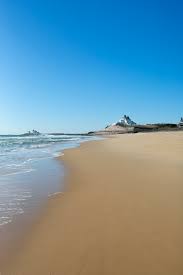
Maui’s seaside is more than a stretch of sand and sea. Along the island’s shores, visitors can find dramatic cliffs, calm bays, lively beach towns, and quiet places to watch the sunset. Each part of the coast has its own character, shaped by the ocean, the landscape, and the communities that call Maui home.
Explore Maui’s Coastal Regions
West Maui is known for its sunny shoreline, resort areas, and sweeping ocean views. In South Maui, beaches and coastal paths offer inviting spots to relax and take in the scenery. The North Shore has a more rugged feel, with wind-swept coastlines and changing surf conditions. Along the Road to Hāna, the landscape becomes lush and dramatic, with ocean lookouts and rocky shores along the route.
Conditions can vary from one beach to the next—and from one day to another. Some areas are better suited to a leisurely swim, while others are best enjoyed from shore. Check local ocean and weather advisories before heading out, and follow posted signs and lifeguard guidance.
Make Time for the Ocean
A Maui seaside visit can be as simple as an early walk along the water or an evening spent watching the sky change color. Visitors may also enjoy swimming, snorkeling, paddling, or exploring tide pools where it is safe and permitted. When entering the ocean, be mindful of currents, waves, and changing conditions. Never turn your back on the surf, and avoid swimming alone or in unfamiliar areas.
For a memorable outing, slow down and notice the details: the sound of the waves, the shape of the coastline, and the colors that shift with the light. The seaside is also a wonderful place to learn about Maui’s natural environment. Keep a respectful distance from wildlife, and never touch or feed marine animals.
Care for the Coast
Maui’s beaches and coastal waters are precious places. Help keep them beautiful by taking all trash with you, staying on established paths, and leaving rocks, shells, and other natural features where they are. Respect private property and cultural sites, and follow local guidance about access and conservation.
Whether you’re seeking a peaceful shoreline or an adventurous day by the water, Maui’s coast offers plenty of ways to connect with the island. Travel thoughtfully, stay aware of ocean conditions, and leave room in your plans to simply enjoy the view.
9 Tips for a Safe and Eco-Friendly Maui Beach Day
- Check ocean conditions before swimming.
- Swim near lifeguards when possible.
- Respect posted warnings and closures.
- Wear reef-safe sunscreen.
- Avoid stepping on coral.
- Keep a safe distance from sea turtles and seals.
- Bring water and sun protection.
- Watch for strong currents and shorebreak.
- Pack out all trash.
Check ocean conditions before swimming.
Before swimming along Maui’s seaside, check current ocean conditions and heed posted warnings and lifeguard advice. Waves, currents, and shore breaks can change quickly, even when the water looks calm. Choose a beach suited to your experience, avoid swimming alone, and stay out of the water if conditions are unsafe.
Swim near lifeguards when possible.
When enjoying Maui’s seaside, swim near lifeguards whenever possible. Lifeguards can help you choose a safer place to enter the water, share information about current ocean conditions, and respond quickly in an emergency. Always read posted signs, follow their instructions, and remember that ocean conditions can change quickly—even at familiar beaches.
Respect posted warnings and closures.
Respect posted warnings and closures when visiting Maui’s seaside. Signs and barriers may indicate dangerous surf, strong currents, hazardous conditions, or protected areas, so always follow local guidance—even when the water looks calm. Staying out of closed areas helps protect you, other visitors, and Maui’s coastal environment.
Wear reef-safe sunscreen.
Protect your skin and help care for Maui’s coastal waters by choosing reef-conscious sunscreen. Apply it before heading outdoors, and reapply as directed on the label—especially after swimming or sweating. No sunscreen can guarantee zero impact on marine life, so consider wearing a rash guard, hat, and other sun-protective clothing, too.
Avoid stepping on coral.
When exploring Maui’s seaside, avoid stepping on coral, even in shallow water. Coral is a living, fragile habitat that can be damaged by a single step, and contact may also cause cuts or scrapes. Enter the water carefully from sandy areas, watch where you place your feet, and keep a respectful distance from reefs to help protect Maui’s marine life.
Keep a safe distance from sea turtles and seals.
When exploring Maui’s seaside, keep a safe distance from sea turtles and seals. These wild animals need space to rest, feed, and move freely, and getting too close can cause stress or disrupt their behavior. Observe them quietly from afar, never touch or feed them, and follow posted signs and local guidance to help protect both wildlife and visitors.
Bring water and sun protection.
Bring plenty of water and sun protection when exploring Maui’s seaside. The tropical sun can feel intense, especially during long beach visits or coastal walks, so pack sunscreen, a hat, and sunglasses, and reapply sunscreen as directed. Drink water regularly, even if you don’t feel thirsty, and take breaks in the shade to stay comfortable.
Watch for strong currents and shorebreak.
Maui’s ocean conditions can change quickly, so watch for strong currents and powerful shorebreak before entering the water. Check posted warnings, ask a lifeguard about local conditions, and observe the waves from shore first. If the water looks rough or you’re unsure, stay out and enjoy the view from a safe distance.
Pack out all trash.
Pack out all trash when visiting Maui’s seaside, including food wrappers, bottles, and small items that can easily blow away. Leaving the beach clean helps protect marine life, preserve the coastline, and keep these special places welcoming for everyone. Before you leave, take a quick look around and bring everything you brought with you.