Tag: sharks

    Sea Life Park Oahu: A Marine-Life Adventure on Hawaii’s Windward Coast

    No Comments
    sea life park oahu

    Sea Life Park Oahu: A Marine-Life Adventure on Hawaii’s Windward Coast

    Set between the Koʻolau Mountains and the Pacific Ocean, Sea Life Park Oahu offers visitors an up-close look at marine animals and ocean habitats. Located near Makapuʻu Point on Oahu’s southeastern coast, the park is a popular stop for families, ocean lovers, and travelers exploring the island’s scenic Windward side.

    What to See at Sea Life Park

    Sea Life Park features a variety of marine and coastal animals, with exhibits designed to introduce visitors to the creatures that live in and around the Pacific. Depending on the day’s schedule, guests may see dolphins, sea lions, penguins, sharks, sea turtles, and tropical fish. The park’s presentations and habitats offer opportunities to learn about animal behavior and the diverse ecosystems of the ocean.

    Daily activities and animal presentations can change, so check the park’s current schedule before your visit. Some experiences may require advance reservations, have age or height requirements, or cost extra beyond general admission.

    Animal Encounters and Presentations

    For visitors hoping to get closer to marine life, Sea Life Park may offer interactive animal experiences. These can provide a memorable way to learn about the animals, their care, and their natural behaviors. Availability, rules, and participation requirements vary, so review the details directly with the park before booking.

    Whether or not you choose an encounter, take time to watch the animal presentations and read the exhibit information. They can add context to what you’re seeing and help make a visit more than just a series of photo stops.

    A Scenic Location on Oahu

    Sea Life Park is located in Waimānalo, near the oceanfront highway that leads toward Makapuʻu Point and the southeastern tip of Oahu. The drive itself is part of the appeal: the area is known for dramatic coastal views, clear blue water, and striking mountain scenery. Visitors often pair the park with other nearby sights, while leaving enough time to enjoy the route rather than rushing between stops.

    Because the park is outside Waikīkī, plan your transportation in advance. Check driving times, parking information, and public transportation options before setting out. Traffic and travel times can vary, particularly during busy periods.

    Tips for Planning Your Visit

    • Check opening hours and schedules: Hours, presentations, and experiences may vary by date.
    • Review ticket details: Confirm what admission includes and whether special activities require separate reservations.
    • Dress for the outdoors: Bring sun protection, comfortable walking shoes, and water.
    • Allow enough time: Give yourself time to explore the exhibits and attend presentations without feeling rushed.
    • Follow park guidelines: Respect barriers and staff instructions, and avoid touching or feeding animals unless a specific experience permits it.

    Learning About Ocean Life

    A visit to Sea Life Park can be an enjoyable way to introduce children and adults to marine animals and the environments they depend on. The best experience comes from pairing the excitement of seeing wildlife with curiosity about conservation, habitat protection, and responsible interactions with animals.

    Is Sea Life Park Oahu Worth Visiting?

    Sea Life Park may be a good fit for travelers looking for a family-friendly attraction, an organized introduction to marine life, or an activity to add to a scenic drive along Oahu’s southeastern coast. Its exhibits and presentations offer a different kind of experience from the island’s beaches and hiking trails.

    Before you go, check the official Sea Life Park website for current hours, admission options, animal experiences, accessibility information, and visitor guidelines. With a little planning, a visit can be a memorable part of exploring Oahu.


    Sea Life Park Oahu: 8 Frequently Asked Questions

    1. Where is Sea Life Park Oahu located?
    2. What are Sea Life Park Oahu’s hours of operation?
    3. How much do tickets to Sea Life Park Oahu cost?
    4. What animals can you see at Sea Life Park Oahu?
    5. Does Sea Life Park Oahu offer dolphin encounters or animal interactions?
    6. How long does it take to visit Sea Life Park Oahu?
    7. Is parking available at Sea Life Park Oahu?
    8. Is Sea Life Park Oahu suitable for young children and families?

    Where is Sea Life Park Oahu located?

    Sea Life Park Oahu is located in Waimānalo on Oahu’s southeastern coast, along Kalanianaʻole Highway near Makapuʻu Point. It’s about a 30-minute drive from Waikīkī, depending on traffic, and offers scenic views of the Pacific Ocean and the Koʻolau Mountains.

    What are Sea Life Park Oahu’s hours of operation?

    Sea Life Park Oahu is generally open daily from 10 a.m. to 4 p.m., but hours can change for holidays, special events, or other operational reasons. Check the park’s official website before your visit to confirm the current schedule and allow enough time to enjoy the exhibits and presentations.

    How much do tickets to Sea Life Park Oahu cost?

    Ticket prices at Sea Life Park Oahu vary by admission type, age, date, and any special experiences or promotions. Animal encounters and other add-ons may cost extra, so check the park’s official website for current prices and availability before booking.

    What animals can you see at Sea Life Park Oahu?

    At Sea Life Park Oahu, visitors can see a variety of marine animals, including dolphins, sea lions, penguins, sharks, sea turtles, and tropical fish. Exhibits and animal presentations offer a closer look at these creatures and their habitats. The animals and activities available may vary, so check the park’s current schedule before your visit.

    Does Sea Life Park Oahu offer dolphin encounters or animal interactions?

    Yes. Sea Life Park Oahu offers dolphin encounters and other animal interaction experiences, which may include opportunities to meet dolphins or sea lions under staff supervision. Options, age and height requirements, availability, and prices can vary, and some experiences require advance reservations or a separate fee. Check the park’s official website for current details and participation guidelines before booking.

    How long does it take to visit Sea Life Park Oahu?

    Most visitors spend about three to four hours at Sea Life Park Oahu, which allows time to explore the exhibits and catch a few animal presentations. Plan for a longer visit if you’ve booked an animal encounter, are visiting with children, or want to take your time. Presentation schedules and experiences can vary, so check the park’s current schedule before you go.

    Is parking available at Sea Life Park Oahu?

    Yes, Sea Life Park Oahu has on-site parking for visitors, making it convenient to arrive by car. Parking availability and any fees or rules may change, so check the park’s official website before your visit, especially during busy periods.

    Is Sea Life Park Oahu suitable for young children and families?

    Yes, Sea Life Park Oahu is a family-friendly attraction that can be enjoyable for young children, with marine animal exhibits and presentations that offer an engaging way to learn about ocean life. Families should check the current schedule, admission details, and any age or height requirements for special animal experiences before visiting. Bring sun protection and comfortable shoes, and allow time to explore at a relaxed pace.
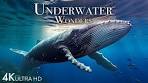
    Exploring the Vibrant Life of the Ocean

    No Comments
    life ocean

    The Wonders of Ocean Life

    The Wonders of Ocean Life

    The ocean is a vast, mysterious world teeming with life. From the tiniest plankton to the largest whales, the diversity of marine organisms is truly awe-inspiring. Let’s dive into the fascinating realm of ocean life and explore some of its most remarkable inhabitants.

    Coral Reefs

    Coral reefs are vibrant underwater ecosystems that support a wide range of marine life. These intricate structures are home to colorful fish, sea turtles, and countless other creatures. Coral reefs play a crucial role in maintaining biodiversity and protecting coastlines from erosion.

    Whales

    Whales are among the most majestic creatures in the ocean. From the massive blue whale to the acrobatic humpback whale, these marine mammals captivate us with their size and grace. Whales undertake epic migrations across oceans, communicating through haunting songs that travel for miles through the water.

    Jellyfish

    Jellyfish may seem delicate and ethereal, but they are formidable predators in their own right. These gelatinous creatures come in a variety of shapes and sizes, with some species capable of delivering potent stings. Despite their simple anatomy, jellyfish have thrived in oceans for millions of years.

    Sharks

    Sharks are often portrayed as fearsome predators, but they play a vital role in maintaining balance in marine ecosystems. These apex predators come in various shapes and sizes, from the gentle giant whale shark to the sleek great white shark. Sharks have evolved over millions of years to become efficient hunters with keen senses.

    Conclusion

    The ocean is a dynamic environment filled with an incredible array of life forms. Each species plays a unique role in shaping marine ecosystems and contributing to the overall health of our planet. As we continue to explore and study ocean life, let us remember to cherish and protect this precious resource for future generations.


    Exploring Ocean Life: Key Questions and Insights into Earth’s Blue Heart

    1. Is 80% of life on Earth is in the ocean?
    2. What is happening to ocean life?
    3. When did life leave the ocean?
    4. What kinds of life can be found in the ocean?
    5. What is the life of the ocean?
    6. Why is 2025 a critical year for the ocean?
    7. Which two oceans never mix?

    Is 80% of life on Earth is in the ocean?

    The claim that 80% of life on Earth is in the ocean is a commonly cited statistic that highlights the immense biodiversity present in our planet’s oceans. While exact figures may vary, it is widely accepted that a significant portion of Earth’s species reside in the ocean. The marine environment supports a wide variety of life forms, from microscopic plankton to massive whales, making it a crucial component of our planet’s ecosystem. By preserving and protecting our oceans, we can ensure the continued existence of countless species and maintain the delicate balance of life on Earth.

    What is happening to ocean life?

    The state of ocean life is a pressing concern as various factors are impacting marine ecosystems worldwide. From overfishing and pollution to climate change and habitat destruction, the delicate balance of ocean life is being disrupted. Species are facing extinction, coral reefs are bleaching at alarming rates, and plastic waste is choking marine animals. The rise in sea temperatures and ocean acidification are also threatening the survival of many marine organisms. It is imperative that we take action to protect and preserve ocean life through sustainable practices, conservation efforts, and global cooperation to ensure the health and longevity of our oceans for future generations.

    When did life leave the ocean?

    The question of when life left the ocean is a topic that has intrigued scientists for centuries. The transition of life from the ocean to land is a complex and gradual process that occurred over millions of years. Fossil records suggest that some marine organisms began to adapt to terrestrial environments around 400 million years ago during the Devonian period. This pivotal moment in evolutionary history marked the emergence of early tetrapods, which eventually gave rise to modern amphibians, reptiles, birds, and mammals. The transition from water to land was a transformative event in the history of life on Earth, shaping the diversity and complexity of organisms we see today.

    What kinds of life can be found in the ocean?

    The ocean is home to a vast array of life forms, ranging from microscopic plankton to giant whales. Marine ecosystems are incredibly diverse, hosting an assortment of fish, crustaceans, mollusks, sea turtles, sharks, dolphins, and much more. Coral reefs support a myriad of colorful fish species and other marine organisms, while deep-sea environments harbor unique creatures adapted to extreme pressures and darkness. From tiny seahorses to majestic jellyfish and elusive octopuses, the ocean teems with life in all shapes and sizes, each playing a crucial role in maintaining the delicate balance of marine ecosystems.

    What is the life of the ocean?

    The life of the ocean is a complex and diverse ecosystem that encompasses a vast array of organisms, from microscopic phytoplankton to massive whales. This interconnected web of marine life plays a crucial role in regulating Earth’s climate, producing oxygen, and supporting biodiversity. The ocean is teeming with fascinating creatures that have adapted to thrive in its various habitats, from the sunlit surface waters to the deep, dark abyss. Understanding and protecting the delicate balance of ocean life is essential for the health of our planet and all living beings that depend on this vital resource.

    Why is 2025 a critical year for the ocean?

    2025 is considered a critical year for the ocean due to several pressing issues that are expected to reach a tipping point by then. Climate change, overfishing, pollution, and habitat destruction have been steadily degrading marine ecosystems, putting immense pressure on ocean health. Scientists and environmentalists warn that if significant action is not taken by 2025 to address these challenges, irreversible damage may occur, leading to catastrophic consequences for marine life and coastal communities worldwide. It is crucial for governments, organizations, and individuals to come together and implement sustainable practices to safeguard the ocean’s future for generations to come.

    Which two oceans never mix?

    The frequently asked question about which two oceans never mix refers to the meeting point of the Atlantic Ocean and the Pacific Ocean at Cape Point in South Africa. These two vast bodies of water have different densities, temperatures, and salinities, which create a visible separation known as a “line of demarcation.” Despite their close proximity, the Atlantic and Pacific Oceans maintain their distinct characteristics and do not readily mix at this unique juncture, serving as a natural phenomenon that showcases the complexity and diversity of oceanic systems.

    Exploring the Marvels of Sea Life: A Journey into the Depths

    sea life

    The Wonders of Sea Life

    The Wonders of Sea Life

    Exploring the depths of the ocean reveals a world teeming with fascinating creatures and ecosystems. Sea life, with its diversity and beauty, never fails to capture our imagination and awe.

    From graceful dolphins and majestic whales to colorful coral reefs and intricate seahorses, the ocean is home to a vast array of marine life. Each species plays a unique role in maintaining the delicate balance of the marine ecosystem.

    One of the most incredible aspects of sea life is its adaptability. Creatures like the octopus can change their color and texture to blend seamlessly with their surroundings, while deep-sea fish have evolved to survive in extreme pressure and darkness.

    Unfortunately, sea life faces numerous threats from human activities such as overfishing, pollution, and climate change. It is crucial that we take steps to protect these precious creatures and their habitats for future generations to enjoy.

    Whether you’re snorkeling in a tropical paradise or watching a documentary about deep-sea creatures, sea life never fails to inspire wonder and appreciation for the natural world.


  • “Exploring the Diversity of Marine Species: A Guide to Sea Creatures”
  • “The Aquatic Breath: Understanding Respiration in Sea Animals”
  • “Giants of the Deep: Discovering the Largest Ocean Creature”
  • 4.

    1. What are the different types of sea creatures?
    2. How do sea animals breathe underwater?
    3. What is the biggest creature in the ocean?
    4. How do marine animals communicate with each other?
    5. What are the main threats to sea life?

    What are the different types of sea creatures?

    The ocean is home to a diverse range of sea creatures, each with its own unique characteristics and adaptations. From the smallest plankton to the largest whales, the variety of marine life is truly astounding. Some common types of sea creatures include fish, mammals, crustaceans, mollusks, and cephalopods. Fish come in all shapes and sizes, from colorful tropical fish to massive sharks. Marine mammals like dolphins, seals, and whales are known for their intelligence and social behavior. Crustaceans such as crabs and lobsters have hard exoskeletons that protect their bodies, while mollusks like octopuses and clams have soft bodies and often intricate shells. Cephalopods, including squids and cuttlefish, are known for their advanced nervous systems and ability to change color and texture. The diversity of sea creatures is a testament to the richness of marine ecosystems around the world.

    How do sea animals breathe underwater?

    Sea animals have adapted various mechanisms to breathe underwater, depending on their species. Many marine creatures, such as fish and whales, have gills that extract oxygen from the water as it passes through their respiratory system. Gills contain thin filaments that absorb oxygen and release carbon dioxide. Other sea animals, like dolphins and seals, are mammals that must come to the surface to breathe air through their blowholes or nostrils. Some species, such as sea turtles, can hold their breath for extended periods while diving underwater. Overall, the diverse ways in which sea animals breathe underwater showcase the remarkable adaptations that enable them to thrive in their aquatic environments.

    What is the biggest creature in the ocean?

    Many people wonder about the largest creature in the ocean, and the answer lies with the magnificent blue whale. Known as the largest animal on Earth, the blue whale can grow up to lengths of over 100 feet and weigh as much as 200 tons. These gentle giants roam the world’s oceans, feeding on tiny krill with their massive mouths. The sheer size and power of the blue whale never fail to astound those who encounter them, making them a true marvel of sea life.

    How do marine animals communicate with each other?

    Marine animals communicate with each other through a variety of fascinating methods. Some species, like dolphins and whales, use complex vocalizations and sounds to convey messages and establish social bonds. These underwater mammals have sophisticated communication systems that allow them to coordinate hunting strategies, warn of danger, and even sing intricate songs. Other marine animals rely on visual cues, such as body language and color changes, to communicate with their peers. Additionally, some species use chemical signals or pheromones to convey information about mating readiness or territorial boundaries. The diverse ways in which marine animals communicate highlight the complexity and richness of their underwater world.

    What are the main threats to sea life?

    Sea life faces a multitude of threats in today’s world, with some of the main ones being overfishing, pollution, and climate change. Overfishing disrupts marine ecosystems by depleting fish populations and disrupting food chains. Pollution from sources like plastic waste, oil spills, and agricultural runoff harms sea life through ingestion, entanglement, and habitat destruction. Climate change exacerbates these issues by causing ocean acidification, rising sea temperatures, and extreme weather events that threaten the survival of many marine species. Addressing these threats is crucial to safeguarding the health and diversity of sea life for future generations to cherish and protect.