Tag: local businesses

    Oahu Events: Festivals, Culture, and Things to Do on the Island

    No Comments
    oahu events

    Oahu Events: A Guide to Celebrations, Culture, and Things to Do

    Oahu is known for its beaches and scenic landscapes, but the island’s events offer another way to experience its character. Throughout the year, community festivals, cultural celebrations, food events, concerts, and sporting competitions bring residents and visitors together. Whether you’re planning a trip or looking for something to do while you’re on the island, Oahu’s event calendar has something for many interests.

    Experience Hawaiian Culture

    Cultural events are a meaningful way to learn about Hawaii’s history and traditions. Depending on the season, Oahu hosts celebrations featuring Hawaiian music, hula, local crafts, storytelling, and demonstrations of traditional practices. Some events are large public festivals, while others are smaller community gatherings.

    When attending, take time to learn about the event and follow any guidance from organizers. Respectful participation helps support the communities and cultural practitioners who make these celebrations possible.

    Enjoy Local Food and Festivals

    Food is an important part of island life, and Oahu events often showcase local ingredients and regional flavors. Food festivals, farmers markets, and neighborhood gatherings may feature everything from plate lunches and fresh seafood to tropical fruit and locally made treats. They’re also a great opportunity to meet local vendors and discover businesses beyond the usual visitor areas.

    Event offerings change throughout the year, so check the organizer’s website or social media for details about menus, vendors, hours, and admission.

    Find Music, Art, and Entertainment

    Oahu has a lively arts and entertainment scene, with events ranging from live music and outdoor performances to gallery exhibitions and craft fairs. Honolulu is a major hub, but events also take place in communities across the island. Look for performances at cultural venues, public spaces, and local events calendars to find options that fit your schedule.

    Watch or Join a Sporting Event

    From ocean sports to running races, athletic events are part of Oahu’s appeal. Surf competitions, paddling events, road races, and other sporting gatherings may take place at different locations and times of year. Some are exciting to watch, while others welcome participants of varying experience levels.

    Ocean conditions and event arrangements can change. If you’re planning to watch a competition near the shore, follow posted safety instructions, give participants room, and be mindful of local residents and beachgoers.

    Explore Events Around the Island

    Oahu is more than Honolulu. Community events can be found in areas such as the North Shore, Windward Oahu, and the island’s central and west side. Exploring beyond the city may introduce you to a different pace of island life, but travel times can be longer than they appear on a map. Plan transportation in advance, especially if an event is outside Honolulu or ends late.

    How to Plan for Oahu Events

    • Check current listings: Event dates, locations, and schedules can change. Confirm details directly with the organizer before you go.
    • Plan transportation: Consider parking, traffic, public transit, rideshares, and travel time between destinations.
    • Arrive prepared: Bring water, sun protection, and comfortable clothing for outdoor events. Check the event’s rules before bringing bags, chairs, or food.
    • Be respectful: Follow event guidelines, care for the surroundings, and ask before photographing people or cultural activities.
    • Support local businesses: When possible, shop from local vendors and follow recommendations from event organizers and the community.

    Make Oahu Events Part of Your Visit

    Attending an event can add a memorable local experience to your Oahu trip. A festival, performance, market, or sporting competition can help you connect with the island’s people and communities in a way that goes beyond sightseeing. Browse current event listings as your travel dates approach, then choose an experience that suits your interests and leaves room to enjoy the island at its own pace.


    7 Tips for Enjoying Oahu Events: From Luaus to Waikiki Festivals

    1. Check Oahu event calendars before your trip.
    2. Book popular luau tickets early.
    3. Arrive early for Waikiki festivals.
    4. Use TheBus or rideshares to avoid parking hassles.
    5. Bring water and sun protection to outdoor events.
    6. Respect local customs at cultural celebrations.
    7. Check event pages for weather updates and schedule changes.

    Check Oahu event calendars before your trip.

    Check Oahu event calendars before your trip to see what’s happening during your stay. Festivals, concerts, cultural celebrations, and sporting events can make a visit even more memorable, but dates and schedules may change. Confirm details with the event organizer, and plan transportation and tickets ahead of time when needed.

    Popular luaus on Oahu can sell out well in advance, especially during holidays and busy travel seasons, so book tickets as soon as your plans are set. Early booking gives you a better chance of choosing your preferred date, seating, and experience, and helps you avoid missing out on an evening of Hawaiian food, music, and cultural performances. Check the cancellation policy and confirm transportation details before reserving.

    Arrive early for Waikiki festivals.

    Arrive early for Waikiki festivals to make the most of the experience. Popular events can draw large crowds, and getting there ahead of time gives you a better chance of finding parking or a convenient spot on public transit, exploring food and craft booths before lines build, and securing a good place to watch performances. Check the event’s schedule and street-closure information in advance, and allow extra time for traffic and walking.

    Use TheBus or rideshares to avoid parking hassles.

    To avoid parking hassles at Oahu events, consider taking TheBus or using a rideshare instead of driving. Popular venues and busy neighborhoods can have limited parking, and traffic may build up before and after an event. Check bus routes and schedules ahead of time, or plan a rideshare pickup and drop-off spot that won’t block traffic.

    Bring water and sun protection to outdoor events.

    When attending outdoor events on Oahu, bring plenty of water and sun protection to stay comfortable in the island’s warm, sunny weather. A reusable water bottle, sunscreen, a hat, and sunglasses can help you enjoy the festivities while protecting yourself from dehydration and sunburn.

    Respect local customs at cultural celebrations.

    When attending cultural celebrations on Oahu, show respect by learning about the event and following the guidance of organizers and community members. Ask before taking photos or recording, especially during performances, ceremonies, or moments of cultural significance. Dress appropriately, avoid interrupting, and participate only when invited. A thoughtful, respectful approach helps honor local traditions and the people who share them.

    Check event pages for weather updates and schedule changes.

    Before heading to an Oahu event, check its official event page for weather updates, schedule changes, or cancellation notices. Outdoor events may be affected by rain, strong winds, or other conditions, and details can change at short notice. Checking before you leave can help you adjust your plans and avoid a wasted trip.
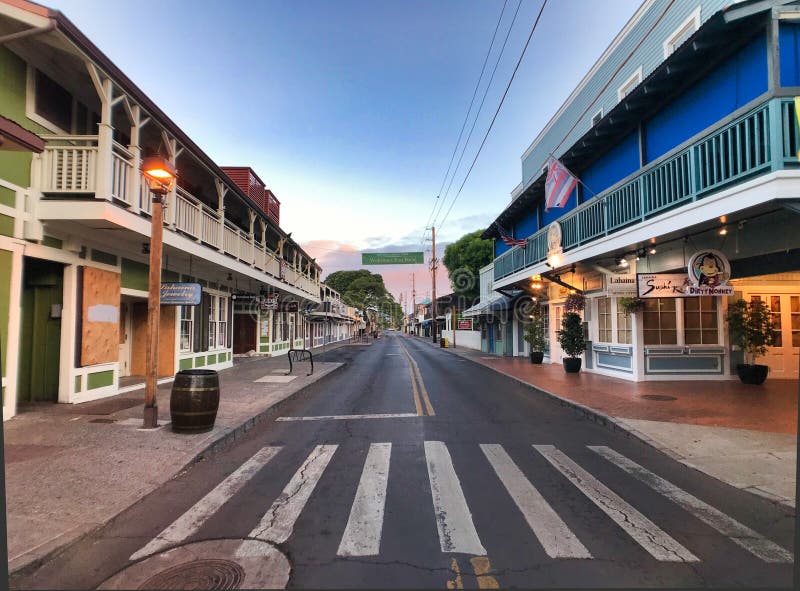

    Lahaina Front Street Restaurants: What to Know Before You Visit

    No Comments
    lahaina front street restaurants

    Lahaina Front Street Restaurants: What to Know Before You Visit

    Lahaina’s Front Street was once one of Maui’s best-known places to dine, with oceanfront tables, historic buildings, and restaurants serving everything from fresh seafood to Hawaiian-inspired dishes. The devastating 2023 wildfires transformed the town and heavily affected its historic center. As Lahaina continues its recovery, the restaurant scene and access to different parts of town may change. If you’re planning a visit, check the latest information before you go.

    A look back at Front Street’s dining scene

    Before the fires, Front Street drew visitors for its mix of waterfront restaurants, casual eateries, bars, and dessert spots. Diners could enjoy sunset views over the ocean, take a break between shops, or make a meal part of an evening stroll through historic Lahaina.

    The street’s restaurants reflected the variety of Maui’s food culture. Menus often featured locally caught fish, island-grown ingredients, tropical cocktails, and familiar American favorites. That combination of food, scenery, and historic surroundings made Front Street a memorable stop for many visitors.

    What to expect now

    Front Street is part of a community still recovering from the 2023 fires. Businesses were lost or displaced, and rebuilding is an ongoing process. Do not assume that a restaurant you remember—or one listed in an older travel guide—is currently open at its former location. Business hours, locations, access, and available services can change.

    Before heading to Lahaina, confirm restaurant details through the business’s official website or social media, and review current guidance from Maui County and local tourism organizations. Be mindful of posted restrictions and residents’ privacy, especially in areas affected by the fires.

    Finding places to eat near Lahaina

    If you’re looking for a meal in West Maui, explore current options in nearby areas such as Kāʻanapali, Nāpili, and Kapalua. These communities offer a range of dining choices, but availability can vary, so checking ahead is worthwhile. Reservations may be helpful during busy travel periods, and calling directly is often the best way to confirm menus, hours, and accessibility.

    How to support Lahaina respectfully

    Supporting local businesses can be one meaningful way to contribute to Maui’s recovery. Choose locally owned restaurants when possible, follow community guidance, and treat Lahaina as a living community—not just a sightseeing destination. A little planning and consideration can help make your visit more useful to local businesses and more respectful of residents.

    Lahaina Front Street restaurants were once a defining part of the town’s visitor experience. As the community rebuilds, the best approach is to stay informed, make flexible plans, and seek out businesses that are currently welcoming guests.


    9 Tips for Dining at Lahaina Front Street Restaurants During Recovery

    1. Check current openings before visiting; Lahaina’s recovery is ongoing.
    2. Make reservations, especially for dinner and sunset views.
    3. Confirm hours directly, since schedules can change.
    4. Ask about parking and access before you drive over.
    5. Choose restaurants that are open and welcoming guests.
    6. Be considerate of residents and recovery-related closures.
    7. Try fresh local seafood when available.
    8. Mention dietary needs when booking or ordering.
    9. Plan extra time to enjoy the waterfront and your meal.

    Check current openings before visiting; Lahaina’s recovery is ongoing.

    Before visiting Lahaina, check which Front Street restaurants are currently open and confirm their hours, location, and any access information directly with the business. Lahaina’s recovery is ongoing, so details can change; planning ahead helps you avoid surprises and support businesses that are welcoming visitors.

    Make reservations, especially for dinner and sunset views.

    Make reservations in advance, especially if you’re planning dinner or hoping to catch a sunset view. Tables at popular restaurants can fill quickly during peak travel periods, and booking ahead helps you secure your preferred time and seating. Since restaurant hours and availability in Lahaina may change, confirm details directly with the restaurant before you go.

    Confirm hours directly, since schedules can change.

    Restaurant hours in Lahaina can change, especially as the community continues to recover and businesses adjust their schedules. Before visiting, confirm opening times directly with the restaurant through its website, social media, or phone. Checking ahead can help you avoid a wasted trip and make it easier to plan your meal.

    Ask about parking and access before you drive over.

    Before driving to a Lahaina Front Street restaurant, call ahead or check its official website or social media to ask about parking, road access, and any current restrictions. Conditions and availability can change, so confirming your route and where to park can save time and help you plan a considerate visit.

    Choose restaurants that are open and welcoming guests.

    When dining near Lahaina’s Front Street, choose restaurants that are currently open and welcoming guests. Business locations, hours, and access can change as the community continues to recover, so check a restaurant’s official website or social media before visiting. Following current local guidance helps you plan a smooth meal while supporting businesses that are ready to serve.

    When visiting Lahaina, be considerate of residents and respect all recovery-related closures, signs, and access restrictions. Some areas may remain closed for safety, cleanup, or rebuilding, and entering them can disrupt recovery work and residents’ privacy. Check current local guidance before you go, and support businesses that are open and welcoming visitors.

    Try fresh local seafood when available.

    When dining near Lahaina’s Front Street, try fresh local seafood when it’s available. Ask what was caught nearby and what’s in season—daily specials may feature fish prepared simply to highlight its flavor. Menus and restaurant availability can change as Lahaina continues to recover, so check ahead and support local businesses welcoming guests.

    Mention dietary needs when booking or ordering.

    If you have dietary needs or food allergies, mention them when making a reservation and remind your server when ordering. Sharing details early gives the restaurant a chance to explain menu ingredients, discuss possible substitutions, and let you know about cross-contact concerns. Because menus and kitchen procedures vary, confirm that the restaurant can safely accommodate your needs rather than relying on assumptions.

    Plan extra time to enjoy the waterfront and your meal.

    Plan extra time when dining near Lahaina’s Front Street so you can enjoy the waterfront without rushing through your meal. Allow a little breathing room to take in the ocean views, watch the changing light, and savor your food at a relaxed pace. Restaurant locations and waterfront access may change, so check current local guidance before you go.

    Enhancing Your Travel Experience: Tips for Being a Responsible Visitor

    No Comments
    visitor

    The Importance of Being a Thoughtful Visitor

    The Importance of Being a Thoughtful Visitor

    As travelers, we have the privilege of exploring new places, experiencing different cultures, and meeting people from all walks of life. However, with this privilege comes the responsibility of being a thoughtful visitor.

    Being a thoughtful visitor means respecting the customs and traditions of the places we visit. It means being mindful of our impact on the environment and local communities. It means taking the time to learn about the history and culture of the places we explore.

    When we approach travel with thoughtfulness and respect, we not only enrich our own experiences but also contribute positively to the places we visit. By supporting local businesses, engaging with local communities, and leaving places as we found them, we can help preserve the beauty and authenticity of our destinations for future generations.

    So next time you embark on a journey, remember to be a thoughtful visitor. Your actions can make a difference in creating a more sustainable and harmonious world for all.


    9 Essential Tips for Being a Respectful and Informed Visitor

    1. Research the destination before your visit.
    2. Respect the local customs and traditions.
    3. Dress appropriately for the culture and climate.
    4. Learn a few basic phrases in the local language.
    5. Be aware of your surroundings and stay safe.
    6. Try the local cuisine and immerse yourself in the culture.
    7. Follow any rules or guidelines at tourist attractions.
    8. Interact with locals to learn more about the area.
    9. Leave no trace – respect the environment and clean up after yourself.

    Research the destination before your visit.

    Researching the destination before your visit is a crucial tip for any traveler. By taking the time to learn about the local customs, culture, and history of the place you are visiting, you can better appreciate and understand your surroundings. This preparation allows you to engage more meaningfully with the local community, avoid unintentional cultural faux pas, and make the most of your travel experience. Additionally, researching in advance can help you plan your itinerary more effectively and discover hidden gems that may not be in typical tourist guides. Remember, knowledge is key to being a respectful and informed visitor.

    Respect the local customs and traditions.

    Respecting the local customs and traditions of the places we visit is essential to fostering mutual understanding and appreciation. By taking the time to learn about and honor the practices and beliefs of the local community, we show respect for their heritage and way of life. This not only enriches our own travel experiences but also helps to build positive relationships with the people we encounter. Embracing diversity and cultural differences with an open mind can lead to meaningful interactions and a deeper connection to the places we explore.

    Dress appropriately for the culture and climate.

    When visiting a new destination, it is essential to dress appropriately for both the culture and climate of the area. By respecting local customs and traditions through your clothing choices, you not only show consideration for the local community but also immerse yourself more fully in the cultural experience. Additionally, dressing according to the climate ensures your comfort and well-being during your travels, allowing you to fully enjoy all that your destination has to offer. Remember, dressing thoughtfully can enhance your travel experience and help you make a positive impact as a visitor.

    Learn a few basic phrases in the local language.

    Learning a few basic phrases in the local language can greatly enhance your travel experience. Not only does it show respect for the culture and people of the place you are visiting, but it also helps you connect on a more meaningful level. Simple greetings, expressions of gratitude, and polite phrases can go a long way in fostering positive interactions and building rapport with locals. So take the time to learn a few key words and phrases before your trip – you’ll be surprised at how much it can enrich your journey.

    Be aware of your surroundings and stay safe.

    It is crucial for visitors to be aware of their surroundings and prioritize safety while exploring new places. By staying vigilant and attentive to their environment, travelers can avoid potential risks and ensure a secure and enjoyable experience. Whether navigating busy city streets or hiking remote trails, being mindful of surroundings helps visitors stay safe and make the most of their adventures.

    Try the local cuisine and immerse yourself in the culture.

    When traveling, a valuable tip for visitors is to try the local cuisine and immerse themselves in the culture. Sampling traditional dishes not only tantalizes the taste buds but also provides insight into the culinary heritage of a region. By dining at local eateries and engaging with food vendors, travelers can deepen their understanding of the culture, traditions, and way of life of the community they are visiting. Embracing local cuisine is a delicious way to connect with a destination on a more meaningful level.

    Follow any rules or guidelines at tourist attractions.

    When visiting tourist attractions, it is essential to follow any rules or guidelines in place. These rules are designed to ensure the safety and preservation of the site for all visitors to enjoy. By adhering to these regulations, we show respect for the cultural and historical significance of the attraction, as well as consideration for fellow visitors. Following rules and guidelines also helps maintain the integrity of the site for future generations to experience and appreciate.

    Interact with locals to learn more about the area.

    Interacting with locals is a valuable tip for visitors looking to gain a deeper understanding of the area they are exploring. Locals can offer unique insights, share hidden gems, and provide a more authentic perspective on the culture and lifestyle of the region. By engaging with locals, visitors not only enrich their travel experience but also foster meaningful connections that can lead to memorable encounters and lasting memories.

    Leave no trace – respect the environment and clean up after yourself.

    Leaving no trace and respecting the environment by cleaning up after yourself is a crucial aspect of responsible travel. By ensuring that we leave natural spaces as we found them, we help preserve the beauty of the environment for future visitors and wildlife. Simple actions like properly disposing of trash, avoiding littering, and being mindful of our impact on ecosystems can make a significant difference in maintaining the integrity of our natural surroundings. Let’s all do our part to protect and respect the environment while enjoying the wonders of travel.

    Unlocking the Magic: How Visitors Shape Our Tourism Experience

    No Comments
    visitors

    Exploring the Importance of Visitors in Tourism

    The Vital Role of Visitors in Tourism

    Visitors play a crucial role in the success of any tourism industry. Whether they are traveling for leisure, business, or other purposes, visitors contribute significantly to the economy of a destination. Their presence not only supports local businesses and creates job opportunities but also helps in preserving cultural heritage and promoting sustainable development.

    Economic Impact

    One of the most obvious benefits of visitors is their economic impact on a destination. Tourists spend money on accommodations, dining, transportation, souvenirs, and various activities, injecting revenue into the local economy. This spending generates income for businesses and individuals involved in the tourism sector, ultimately leading to economic growth and prosperity.

    Cultural Preservation

    Visitors often show interest in learning about the culture and traditions of the places they visit. This curiosity drives efforts to preserve cultural heritage sites, traditions, and practices. By engaging with local communities and participating in cultural activities, visitors contribute to the conservation of intangible cultural assets that might otherwise be at risk of fading away.

    Sustainable Development

    Responsible tourism practices are essential for ensuring the long-term sustainability of a destination. Visitors who are mindful of their environmental impact can help promote sustainable development by supporting eco-friendly initiatives, conservation projects, and responsible tourism operators. By making informed choices during their travels, visitors can contribute to the preservation of natural resources and biodiversity.

    Conclusion

    In conclusion, visitors are integral to the success and sustainability of any tourism industry. Their economic contributions support local businesses, their interest in culture helps preserve heritage sites, and their commitment to responsible travel promotes sustainable development. As destinations continue to attract visitors from around the world, it is essential to recognize and appreciate the valuable role that visitors play in shaping the future of tourism.


    Essential FAQs for Visitors: Visa Requirements, Travel Tips, and Safety Advice

    1. 1. What are the visa requirements for visitors to the United States?
    2. 2. How can visitors find accommodation options in popular tourist destinations?
    3. 3. What are some must-visit attractions for first-time visitors to [specific destination]?
    4. 4. Are there any travel restrictions or advisories that visitors should be aware of?
    5. 5. What are the best transportation options for getting around as a visitor in [specific destination]?
    6. 6. How can visitors stay safe and avoid common tourist scams while traveling?
    7. 7. Are there any cultural norms or customs that visitors should be mindful of when visiting a new country?

    1. What are the visa requirements for visitors to the United States?

    One frequently asked question regarding visitors to the United States is, “What are the visa requirements for visitors to the United States?” Visitors planning to travel to the U.S. must understand the visa regulations and requirements based on their country of origin and the purpose of their visit. The U.S. offers different types of visas, such as tourist visas, business visas, and student visas, each with specific eligibility criteria and application procedures. It is essential for visitors to research and comply with the visa requirements well in advance of their planned travel dates to ensure a smooth entry into the United States.

    Finding accommodation options in popular tourist destinations can be a daunting task, but with the right approach, visitors can simplify the process. One effective way for visitors to find accommodation in popular tourist destinations is to utilize online travel platforms and booking websites. These platforms offer a wide range of options, from hotels and resorts to vacation rentals and hostels, allowing visitors to compare prices, read reviews, and make reservations conveniently. Additionally, reaching out to local tourism offices or visitor centers can provide valuable insights and recommendations on accommodations that suit different preferences and budgets. By leveraging online resources and seeking local advice, visitors can navigate the vast array of accommodation options available in popular tourist destinations with ease.

    3. What are some must-visit attractions for first-time visitors to [specific destination]?

    When it comes to must-visit attractions for first-time visitors to any destination, it is essential to consider the unique offerings that capture the essence of the place. From iconic landmarks and historical sites to cultural hotspots and natural wonders, first-time visitors should prioritize experiencing attractions that best represent the destination’s identity and charm. By exploring these must-visit attractions, visitors can gain a comprehensive introduction to the beauty, history, and culture of the specific destination, creating lasting memories and a deep appreciation for all it has to offer.

    4. Are there any travel restrictions or advisories that visitors should be aware of?

    When planning a trip, visitors should always stay informed about any travel restrictions or advisories that may affect their journey. It is essential to check for updates on entry requirements, health and safety guidelines, and any specific regulations in place at the destination. Keeping abreast of travel advisories issued by official authorities can help visitors make informed decisions and ensure a smooth and enjoyable travel experience. By staying proactive and aware of any potential restrictions, visitors can better prepare for their trip and navigate any challenges that may arise along the way.

    5. What are the best transportation options for getting around as a visitor in [specific destination]?

    When visiting [specific destination], it is important to consider the best transportation options for getting around efficiently and comfortably. Depending on the destination, visitors may have various choices such as public transportation, rental cars, taxis, ridesharing services, or even biking and walking. Each option has its own advantages and considerations, including cost, convenience, and accessibility to different attractions. Researching and planning ahead can help visitors make informed decisions about transportation that suit their preferences and needs during their stay in [specific destination].

    6. How can visitors stay safe and avoid common tourist scams while traveling?

    Staying safe and avoiding common tourist scams is essential for visitors when traveling to unfamiliar destinations. To ensure a secure and enjoyable trip, visitors should research their destination beforehand, familiarize themselves with local customs and laws, and remain vigilant in crowded or tourist-heavy areas. It is advisable to keep personal belongings secure, avoid sharing sensitive information with strangers, and be cautious of unsolicited offers or deals that seem too good to be true. By staying informed, aware, and proactive, visitors can minimize the risk of falling victim to common tourist scams and enjoy a worry-free travel experience.

    7. Are there any cultural norms or customs that visitors should be mindful of when visiting a new country?

    When visiting a new country, it is essential for visitors to be mindful of the cultural norms and customs that may differ from their own. Respect for local traditions, etiquette, and values is crucial in fostering positive interactions with the local community. From greetings to dress codes to dining etiquettes, each country may have its own set of cultural practices that visitors should be aware of and adhere to. By taking the time to learn about and respect these customs, visitors can show appreciation for the host country’s culture and create meaningful connections with its people.