Tag: education

    Experience the Wonders of Wildlife at Honolulu Zoo

    No Comments
    honoluluzoo

    Welcome to Honolulu Zoo

    The Honolulu Zoo, located on the beautiful island of Oahu in Hawaii, is a must-visit destination for animal lovers and nature enthusiasts alike. With its stunning collection of exotic wildlife and lush tropical surroundings, the zoo offers a unique opportunity to experience the wonders of nature up close.

    Established in 1914, the Honolulu Zoo is home to over 900 animals representing more than 300 species from around the world. Visitors can marvel at majestic elephants, playful monkeys, colorful birds, and many other fascinating creatures as they explore the zoo’s diverse exhibits.

    One of the highlights of the Honolulu Zoo is its focus on conservation and education. Through informative signage, interactive exhibits, and educational programs, visitors can learn about the importance of wildlife conservation and how they can help protect endangered species and their habitats.

    In addition to its animal exhibits, the Honolulu Zoo also features beautiful botanical gardens filled with native Hawaiian plants and flowers. Strolling through these serene gardens provides a peaceful escape from the hustle and bustle of city life, allowing visitors to immerse themselves in the natural beauty of Hawaii.

    Whether you’re visiting with family, friends, or on your own, a trip to the Honolulu Zoo promises an unforgettable experience that combines entertainment, education, and appreciation for the natural world. Come discover the wonders of wildlife at this tropical paradise in the heart of Honolulu!


    9 Essential Tips for an Enjoyable Visit to the Honolulu Zoo

    1. Wear comfortable walking shoes as the Honolulu Zoo covers a large area.
    2. Bring sunscreen and stay hydrated, especially on hot days.
    3. Check the feeding schedules to see when you can watch the animals being fed.
    4. Respect the animals by not feeding them any outside food.
    5. Take your time to observe and learn about the different species at the zoo.
    6. Visit early in the morning for a chance to see more animal activity.
    7. Support conservation efforts by purchasing souvenirs from the gift shop.
    8. Follow all posted rules and guidelines for a safe and enjoyable visit.
    9. Consider joining a guided tour for a more informative experience.

    Wear comfortable walking shoes as the Honolulu Zoo covers a large area.

    When visiting the Honolulu Zoo, it is advisable to wear comfortable walking shoes as the zoo covers a large area. With over 40 acres of exhibits to explore, comfortable footwear will ensure that you can enjoy your visit without discomfort or fatigue. Whether you’re strolling through the lush gardens or trekking between animal habitats, proper footwear will help you make the most of your time at the zoo.

    Bring sunscreen and stay hydrated, especially on hot days.

    When visiting the Honolulu Zoo, it is essential to remember to bring sunscreen and stay hydrated, especially on hot days. The tropical climate of Hawaii can be intense, and prolonged exposure to the sun can lead to sunburn and dehydration. By applying sunscreen regularly and drinking plenty of water throughout your visit, you can ensure a more comfortable and enjoyable experience at the zoo. Remember to take breaks in shaded areas and seek out water fountains or refreshment stands to stay hydrated and protected from the sun’s rays. Your health and well-being are important, so be proactive in taking care of yourself while exploring the wonders of the Honolulu Zoo.

    Check the feeding schedules to see when you can watch the animals being fed.

    When visiting the Honolulu Zoo, be sure to check the feeding schedules to plan your visit around the times when you can watch the animals being fed. This is a unique opportunity to see the animals in action and learn more about their dietary habits and behaviors. Watching the feeding sessions can be both educational and entertaining, providing insights into the daily lives of the zoo’s residents. Don’t miss out on this special experience during your trip to the Honolulu Zoo!

    Respect the animals by not feeding them any outside food.

    Visitors to the Honolulu Zoo are reminded to respect the animals by refraining from feeding them any outside food. While it may be tempting to offer treats to the animals, it is important to remember that their diets are carefully monitored and controlled by zoo staff to ensure their health and well-being. Feeding animals human food can be harmful and disrupt their natural eating habits. By following this guideline, visitors can help maintain a safe and healthy environment for the animals at the zoo, allowing them to thrive in their natural habitats.

    Take your time to observe and learn about the different species at the zoo.

    When visiting the Honolulu Zoo, it is highly recommended to take your time to observe and learn about the different species that call the zoo home. By taking a leisurely pace and immersing yourself in each exhibit, you can gain a deeper appreciation for the diverse array of animals and their unique behaviors. Whether it’s watching the playful antics of monkeys, marveling at the grace of big cats, or admiring the vibrant plumage of tropical birds, each species has its own story to tell. By observing and learning about these creatures, you can enhance your zoo experience and develop a greater understanding of the importance of wildlife conservation.

    Visit early in the morning for a chance to see more animal activity.

    For the best chance to see more animal activity at the Honolulu Zoo, consider visiting early in the morning. Many animals tend to be more active during the cooler hours of the day, making it an ideal time to observe them in their natural behaviors. By arriving early, you can witness lively interactions, playful antics, and perhaps even catch a glimpse of feeding time. This tip not only enhances your zoo experience but also allows you to make the most of your visit by maximizing your opportunities to see the animals at their most vibrant and engaging moments.

    Support conservation efforts by purchasing souvenirs from the gift shop.

    Support conservation efforts by purchasing souvenirs from the gift shop at the Honolulu Zoo. By buying merchandise such as plush animals, t-shirts, and other items, visitors can contribute to the zoo’s conservation programs aimed at protecting endangered species and their habitats. Not only do these souvenirs serve as mementos of your visit, but they also help fund important initiatives that benefit wildlife and promote environmental sustainability. Your purchase can make a meaningful difference in supporting the zoo’s efforts to preserve biodiversity and raise awareness about the importance of conservation.

    Follow all posted rules and guidelines for a safe and enjoyable visit.

    When visiting the Honolulu Zoo, it is important to follow all posted rules and guidelines to ensure a safe and enjoyable visit. By adhering to the zoo’s regulations, visitors can help protect the animals, maintain a peaceful environment, and contribute to the overall positive experience for themselves and others. Respecting the rules not only ensures the well-being of the animals but also promotes a harmonious atmosphere for everyone to appreciate and enjoy the wonders of nature at this beloved Hawaiian attraction.

    Consider joining a guided tour for a more informative experience.

    Consider joining a guided tour during your visit to the Honolulu Zoo for a more informative and enriching experience. Guided tours offer valuable insights into the zoo’s animal habitats, conservation efforts, and interesting facts about the diverse species that call the zoo home. Knowledgeable guides can provide in-depth information and answer any questions you may have, allowing you to gain a deeper understanding and appreciation for the wildlife at the zoo. Whether you’re a first-time visitor or a seasoned animal enthusiast, a guided tour can enhance your visit and make it even more memorable.
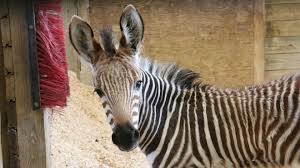
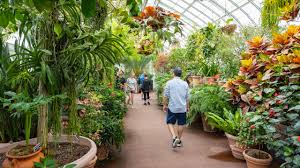
    Exploring the Wild Wonders of the Zoo: A Journey into Animal Kingdom

    zoo

    The Fascinating World of Zoos

    The Fascinating World of Zoos

    Zoos have long been a source of wonder and education for people of all ages. These unique establishments provide a glimpse into the diverse and captivating world of wildlife, allowing visitors to learn about different species and conservation efforts while enjoying a fun day out.

    One of the main purposes of zoos is to educate the public about animals and their habitats. Through informative exhibits and interactive experiences, zoos help raise awareness about endangered species, conservation challenges, and the importance of biodiversity. Visitors have the opportunity to see animals up close, observe their behavior, and gain a deeper appreciation for the natural world.

    Besides education, zoos also play a crucial role in wildlife conservation. Many zoos participate in breeding programs for endangered species, helping to ensure their survival and genetic diversity. By supporting research initiatives and conservation projects, zoos contribute to global efforts to protect vulnerable animal populations and their habitats.

    Moreover, zoos offer entertainment and recreational opportunities for families and individuals looking to connect with nature. From exotic animals to local wildlife, zoos provide a diverse range of attractions that appeal to people with varying interests. Visitors can enjoy guided tours, animal encounters, feeding sessions, and other engaging activities that make for an unforgettable experience.

    In conclusion, zoos serve as valuable institutions that combine education, conservation, and entertainment in one setting. By promoting awareness of wildlife issues and fostering a sense of connection with nature, zoos play a vital role in inspiring future generations to care for our planet’s precious biodiversity.


    8 Essential Tips for an Enjoyable and Responsible Zoo Visit

    1. Wear comfortable shoes for walking around the zoo.
    2. Bring sunscreen and stay hydrated, especially on hot days.
    3. Follow the signs and stay on designated paths to respect animal habitats.
    4. Don’t feed the animals unless allowed by zoo staff.
    5. Take your time at each exhibit to observe and learn about the animals.
    6. Support conservation efforts by donating to or volunteering at the zoo.
    7. Attend feeding times or animal shows to see the animals in action.
    8. Teach children about wildlife conservation and respect for animals during their visit.

    Wear comfortable shoes for walking around the zoo.

    When visiting the zoo, it is essential to wear comfortable shoes that provide adequate support for walking around the expansive grounds. Comfortable footwear can make a significant difference in your overall experience, allowing you to explore the exhibits and attractions without discomfort or fatigue. Whether you’re strolling through animal habitats or navigating hilly terrain, wearing the right shoes ensures that you can fully enjoy your time at the zoo without any unnecessary distractions.

    Bring sunscreen and stay hydrated, especially on hot days.

    When visiting the zoo, it is essential to come prepared for a day outdoors. Bringing sunscreen and staying hydrated are crucial tips to ensure a comfortable and enjoyable experience, especially on hot days. The sun’s rays can be intense, so applying sunscreen regularly helps protect your skin from sunburn and potential damage. Additionally, staying hydrated by drinking plenty of water throughout your visit is important to prevent dehydration and keep your energy levels up as you explore the zoo’s exhibits and attractions. By following these simple precautions, you can make the most of your zoo adventure while staying safe and comfortable under the sun.

    Follow the signs and stay on designated paths to respect animal habitats.

    When visiting a zoo, it is important to follow the signs and stay on designated paths to respect animal habitats. These pathways are carefully planned to ensure the well-being of the animals and to minimize disturbances in their natural environments. By adhering to these guidelines, visitors can help protect the animals’ habitats, reduce stress levels for the animals, and maintain a safe and enjoyable experience for all. Respecting designated paths also allows visitors to observe the animals from a safe distance while appreciating their beauty and behaviors in a responsible manner.

    Don’t feed the animals unless allowed by zoo staff.

    It is important to remember not to feed the animals at the zoo unless explicitly permitted by the zoo staff. While it may be tempting to offer treats to the animals, feeding them unauthorized food can have negative consequences on their health and well-being. Zoo diets are carefully curated by experts to meet the specific nutritional needs of each species, and unauthorized food can disrupt their diet and lead to health issues. By following this rule, visitors can help ensure the safety and welfare of the animals while respecting the guidelines set in place for their care.

    Take your time at each exhibit to observe and learn about the animals.

    When visiting a zoo, it is important to take your time at each exhibit to truly observe and learn about the animals. By slowing down and paying attention to the behaviors, habitats, and characteristics of the animals, you can gain a deeper understanding of their lives and the importance of conservation efforts. Taking the time to appreciate each exhibit allows for a more meaningful and educational experience, enhancing your connection with the wildlife and fostering a greater sense of empathy and respect for these incredible creatures.

    Support conservation efforts by donating to or volunteering at the zoo.

    Supporting conservation efforts by donating to or volunteering at the zoo is a meaningful way to contribute to the protection of wildlife and their habitats. By providing financial support or giving your time through volunteering, you can help zoos continue their important work in species conservation, research, and education. Your contribution plays a vital role in ensuring the well-being of endangered species and promoting awareness about the importance of biodiversity conservation for future generations.

    Attend feeding times or animal shows to see the animals in action.

    Attending feeding times or animal shows at the zoo is a fantastic way to witness the animals in action and learn more about their natural behaviors. These interactive experiences provide valuable insights into the daily lives of the animals, allowing visitors to observe how they interact with their environment, each other, and zookeepers. From playful antics to impressive feeding routines, attending these special events adds an exciting dimension to a zoo visit and creates memorable moments for guests of all ages.

    Teach children about wildlife conservation and respect for animals during their visit.

    During a visit to the zoo, it is important to take the opportunity to teach children about wildlife conservation and respect for animals. By explaining the importance of protecting endangered species, preserving habitats, and treating animals with kindness and care, we can instill in children a sense of responsibility towards the natural world. Encouraging empathy and understanding towards animals not only enhances the educational experience at the zoo but also helps cultivate a lifelong appreciation for wildlife and conservation efforts.

    Exploring the Enchanting Beauty of Botanical Gardens

    No Comments
    botanical gardens

    The Beauty and Tranquility of Botanical Gardens

    Botanical gardens are serene sanctuaries that showcase the wonders of nature in all its glory. These meticulously curated spaces are not only a treat for the eyes, but also serve as important centers for education, conservation, and research.

    Stepping into a botanical garden is like entering a different world, where vibrant colors, lush greenery, and fragrant blooms transport you away from the hustle and bustle of everyday life. Each garden is a living museum, housing a diverse collection of plant species from around the globe.

    One of the most enchanting aspects of botanical gardens is their ability to inspire awe and wonder in visitors of all ages. Whether you’re admiring the intricate patterns of a delicate orchid or marveling at the towering majesty of a centuries-old tree, there is something truly magical about being surrounded by nature’s beauty.

    But botanical gardens are more than just pretty landscapes – they also play a crucial role in conservation efforts. Many gardens are actively involved in preserving endangered plant species, conducting research on plant genetics, and promoting sustainable gardening practices. By raising awareness about the importance of biodiversity and environmental stewardship, botanical gardens help to protect our planet’s precious natural resources.

    Visiting a botanical garden is not just a leisurely pastime – it’s an opportunity to connect with nature on a deeper level, to learn about the fascinating world of plants, and to gain a greater appreciation for the intricate web of life that sustains us all. So next time you’re looking for a peaceful retreat or a dose of inspiration, consider exploring the beauty and tranquility of a botanical garden near you.


    Five Refreshing Benefits of Visiting Botanical Gardens: Serenity, Education, Conservation, Well-being, and Photographic Opportunities

    1. Botanical gardens offer a peaceful and tranquil escape from the hustle and bustle of urban life.
    2. They provide an educational experience, allowing visitors to learn about different plant species from around the world.
    3. Botanical gardens support conservation efforts by preserving endangered plant species and promoting sustainable gardening practices.
    4. Visiting botanical gardens can improve mental well-being by reducing stress and fostering a sense of calmness and connection with nature.
    5. These gardens are great places for photography enthusiasts to capture the beauty of diverse plant life in stunning settings.


    Four Downsides of Botanical Gardens: Costs, Accessibility, Operating Hours, and Weather Vulnerability

    1. Entrance fees can be expensive for some visitors.
    2. Limited operating hours may restrict access for those with busy schedules.
    3. Some botanical gardens may not be easily accessible to individuals with mobility challenges.
    4. Weather conditions, such as extreme heat or rain, can affect the enjoyment of a visit to a botanical garden.

    Botanical gardens offer a peaceful and tranquil escape from the hustle and bustle of urban life.

    Botanical gardens provide a serene oasis where visitors can escape the fast-paced urban environment and immerse themselves in a peaceful and tranquil setting. Surrounded by lush greenery, vibrant blooms, and the soothing sounds of nature, botanical gardens offer a much-needed respite from the stresses of daily life. Whether strolling along winding pathways, relaxing on a bench surrounded by colorful flowers, or simply taking in the beauty of the natural world, these gardens provide a calming retreat where one can rejuvenate their mind, body, and spirit.

    They provide an educational experience, allowing visitors to learn about different plant species from around the world.

    Botanical gardens offer a valuable educational experience by providing visitors with the opportunity to learn about a diverse array of plant species from around the world. Through curated displays and informative signage, visitors can deepen their understanding of plant biology, ecology, and conservation. By exploring the various exhibits and collections within botanical gardens, visitors not only gain knowledge about different plant species but also develop a greater appreciation for the rich diversity of flora that exists on our planet. This educational aspect of botanical gardens helps to foster a sense of environmental awareness and stewardship among visitors, inspiring them to take action to protect and preserve our natural world.

    Botanical gardens support conservation efforts by preserving endangered plant species and promoting sustainable gardening practices.

    Botanical gardens play a crucial role in supporting conservation efforts by preserving endangered plant species and promoting sustainable gardening practices. Through dedicated conservation programs and research initiatives, botanical gardens help safeguard rare and threatened plant species from extinction. By raising awareness about the importance of biodiversity and sustainable gardening techniques, these gardens inspire visitors to take action in protecting our planet’s precious natural resources for future generations.

    Visiting botanical gardens can improve mental well-being by reducing stress and fostering a sense of calmness and connection with nature.

    Visiting botanical gardens can have a profound impact on mental well-being by offering a peaceful escape from the stresses of daily life. The serene and tranquil environment of botanical gardens can help reduce stress levels, promote relaxation, and instill a sense of calmness. Being surrounded by the beauty of nature in all its forms can foster a deep connection with the natural world, allowing visitors to unwind, recharge, and find solace in the midst of lush greenery and colorful blooms.

    These gardens are great places for photography enthusiasts to capture the beauty of diverse plant life in stunning settings.

    Botanical gardens offer a paradise for photography enthusiasts, providing a plethora of opportunities to capture the beauty of diverse plant life in stunning settings. With their carefully curated landscapes, vibrant colors, and unique plant species from around the world, botanical gardens serve as ideal backdrops for capturing breathtaking images. Whether you’re drawn to the intricate details of a delicate flower or the grandeur of towering trees, these gardens offer endless possibilities for photographers to hone their craft and showcase the natural wonders of our planet through their lens.

    Entrance fees can be expensive for some visitors.

    For some visitors, the cost of entrance fees to botanical gardens can be a significant barrier to access. The expense involved in visiting these beautiful spaces may deter individuals and families with limited financial resources from experiencing the educational and recreational benefits that botanical gardens have to offer. This exclusionary aspect can prevent certain segments of the population from enjoying the beauty, tranquility, and learning opportunities that botanical gardens provide, ultimately limiting the diversity of visitors and potentially hindering efforts to promote environmental awareness and conservation on a broader scale.

    Limited operating hours may restrict access for those with busy schedules.

    One downside of botanical gardens is their limited operating hours, which may pose a challenge for individuals with busy schedules. The restricted access can make it difficult for working professionals, students, and families to find time to visit and fully enjoy the beauty and tranquility that these gardens offer. This limitation may deter some potential visitors from experiencing the wonders of nature showcased in botanical gardens, highlighting the need for greater flexibility in scheduling to accommodate a wider range of guests.

    Some botanical gardens may not be easily accessible to individuals with mobility challenges.

    One drawback of botanical gardens is that some may not be easily accessible to individuals with mobility challenges. The vast expanse of terrain, uneven pathways, and lack of adequate facilities such as ramps or elevators can pose significant barriers for those with mobility limitations. This limitation can prevent certain individuals from fully enjoying the beauty and tranquility of botanical gardens, highlighting the need for greater efforts in ensuring inclusivity and accessibility in these natural spaces.

    Weather conditions, such as extreme heat or rain, can affect the enjoyment of a visit to a botanical garden.

    Weather conditions can be a significant drawback when visiting botanical gardens, as extreme heat or rain can impact the overall enjoyment of the experience. High temperatures can make walking around the garden uncomfortable, while heavy rain can lead to slippery paths and limited visibility. Visitors may find it challenging to fully appreciate the beauty of the garden or engage in outdoor activities when faced with unfavorable weather conditions. Planning ahead and checking the weather forecast before visiting a botanical garden can help mitigate these issues and ensure a more pleasant experience for all visitors.