Tag: history

    Exploring the Mysteries of the Historic Graveyard

    No Comments
    graveyard

    The History and Significance of Graveyards

    The History and Significance of Graveyards

    Graveyards, also known as cemeteries or burial grounds, hold a special place in human history and culture. These sacred spaces serve as final resting places for the deceased and play a significant role in various religious and cultural traditions.

    Throughout history, graveyards have been revered as places to honor and remember the departed. They provide a physical location for loved ones to pay their respects, reflect on memories, and preserve the legacy of those who have passed away.

    Graveyards also serve as historical archives, containing valuable information about past societies, cultures, and individuals. Epitaphs, tombstones, and burial practices offer insights into the beliefs, customs, and social structures of different time periods.

    Furthermore, graveyards are often considered peaceful sanctuaries where visitors can find solace, contemplate mortality, and connect with their spirituality. Many people find solace in spending time among the graves, appreciating the tranquility and sense of continuity that these sacred spaces provide.

    In addition to their cultural significance, graveyards are essential for preserving environmental balance. Proper burial practices help prevent the spread of disease and protect natural ecosystems from contamination.

    Overall, graveyards hold a profound significance in human society by serving as places of remembrance, historical preservation, spiritual contemplation, and environmental stewardship.


    Understanding Graveyards: Common Questions and Their Answers

    1. What is a graveyard?
    2. What is the difference between a graveyard and a cemetery?
    3. Why are graveyards considered sacred?
    4. How are gravesites maintained in graveyards?
    5. Are there different types of burial practices in graveyards?
    6. What is the significance of tombstones in graveyards?
    7. Do graveyards have any environmental impact?
    8. Are there any famous or historic graveyards around the world?
    9. How can one visit a graveyard respectfully?

    What is a graveyard?

    A graveyard, also known as a cemetery or burial ground, is a designated area where deceased individuals are laid to rest. It serves as a sacred space for honoring and remembering the departed, providing a physical location for loved ones to pay their respects and reflect on memories. Graveyards hold cultural and historical significance, offering insights into past societies through epitaphs, tombstones, and burial practices. These solemn sites also serve as peaceful sanctuaries for visitors to find solace, contemplate mortality, and connect with their spirituality. Additionally, graveyards play a crucial role in environmental stewardship by ensuring proper burial practices to prevent the spread of disease and protect natural ecosystems.

    What is the difference between a graveyard and a cemetery?

    Many people often wonder about the difference between a graveyard and a cemetery. While the terms are often used interchangeably, there is a subtle distinction between the two. A graveyard typically refers to a burial ground that is located near a church or within a churchyard. In contrast, a cemetery is usually a standalone burial ground that is not affiliated with a specific religious institution. Additionally, graveyards are typically smaller in size and may be associated with older, historic churches, while cemeteries can vary in size and may have multiple sections for different religious or cultural groups. Despite these differences, both graveyards and cemeteries serve as final resting places for the deceased and hold special significance in honoring and remembering those who have passed away.

    Why are graveyards considered sacred?

    Graveyards are considered sacred for several reasons. Firstly, they serve as final resting places for the deceased, where loved ones can pay their respects and honor their memory. This sanctity is further reinforced by the cultural and religious significance attached to these spaces, which often symbolize the transition from life to death and the belief in an afterlife. Additionally, graveyards are seen as peaceful sanctuaries where individuals can reflect on mortality, find solace, and connect with their spirituality. The solemn atmosphere of graveyards encourages contemplation and introspection, making them sacred spaces that evoke a sense of reverence and respect for the departed.

    How are gravesites maintained in graveyards?

    Gravesites in graveyards are typically maintained through a combination of regular upkeep and caretaking practices. Groundskeepers and cemetery staff play a crucial role in ensuring that gravesites remain tidy and well-maintained. This maintenance may involve tasks such as mowing the grass, trimming vegetation, cleaning headstones, repairing markers, and removing debris. Additionally, families of the deceased often contribute to the care of gravesites by placing flowers, decorations, or personal mementos. By collectively upholding these maintenance practices, graveyards can continue to serve as peaceful and respectful resting places for the departed.

    Are there different types of burial practices in graveyards?

    Graveyards encompass a variety of burial practices that reflect diverse cultural, religious, and personal beliefs. Different types of burial practices may include traditional in-ground burials, above-ground mausoleums, cremation urns interred in columbariums, green burials that prioritize environmental sustainability, and even modern alternatives like biodegradable burial pods. Each practice carries its own significance and rituals, offering individuals and families the opportunity to honor their loved ones in ways that resonate with their values and traditions. The diversity of burial practices within graveyards highlights the richness of human culture and the importance of respecting individual preferences when it comes to honoring the deceased.

    What is the significance of tombstones in graveyards?

    Tombstones play a crucial role in graveyards as they hold significant importance in honoring and commemorating the deceased. These markers serve as lasting tributes to those who have passed away, providing a tangible link to their lives and legacies. Tombstones often contain vital information such as names, dates of birth and death, and sometimes meaningful epitaphs or symbols that reflect the individual’s personality or beliefs. Beyond serving as identifiers for specific graves, tombstones serve as historical records that offer insights into past societies, cultural practices, and personal stories. They also provide a sense of permanence and respect for the departed, allowing visitors to pay their respects and remember those who have gone before them.

    Do graveyards have any environmental impact?

    Graveyards can have environmental impacts, primarily related to burial practices and maintenance activities. Traditional burials involve embalming fluids, caskets, and concrete vaults, which can introduce harmful chemicals into the soil and groundwater. Additionally, the land required for graveyards can contribute to habitat loss and fragmentation. However, there are environmentally friendly alternatives such as natural burials, which prioritize biodegradability and minimal ecological disturbance. Sustainable graveyard management practices, such as native plant landscaping and water conservation measures, can also help mitigate environmental impacts. It is essential for cemetery operators and policymakers to consider these factors when planning and maintaining graveyards to minimize their environmental footprint.

    Are there any famous or historic graveyards around the world?

    There are numerous famous and historic graveyards around the world that have captured the interest and intrigue of visitors. From the iconic Père Lachaise Cemetery in Paris, France, where renowned figures such as Jim Morrison and Oscar Wilde are buried, to the historic Arlington National Cemetery in Virginia, USA, which serves as the final resting place for many American veterans and dignitaries. Other notable graveyards include the ancient Valley of the Kings in Egypt, where pharaohs were laid to rest, and the Recoleta Cemetery in Buenos Aires, Argentina, known for its elaborate mausoleums and the tomb of Eva Perón. These graveyards not only hold significant historical importance but also offer a glimpse into the lives and legacies of prominent individuals from various cultures and time periods.

    How can one visit a graveyard respectfully?

    When visiting a graveyard, it is important to approach the sacred space with respect and reverence. One should always remember that graveyards are places of remembrance and honor for the deceased. To visit a graveyard respectfully, it is advisable to follow certain guidelines such as speaking in hushed tones, refraining from loud noises or disruptive behavior, and being mindful of other visitors who may be paying their respects. It is also important to stay on designated paths, avoid touching or leaning on gravestones, and to never disturb any items left at gravesites. Additionally, one should dress modestly and refrain from taking photographs without permission out of respect for the privacy of those buried there and their families. By being considerate and mindful of the solemn atmosphere of the graveyard, visitors can pay their respects in a respectful and dignified manner.

    The Fortified Legacy: Exploring the History of Forts

    No Comments
    fort

    The History and Significance of Forts

    The History and Significance of Forts

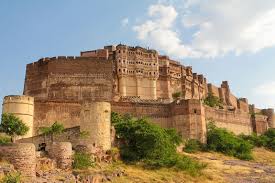
    Forts have played a crucial role throughout history, serving as strategic military structures designed to protect territories from enemy attacks. Dating back to ancient times, forts were constructed using various materials such as stone, wood, and earthworks to provide defense against invading armies.

    One of the most famous forts in history is the Great Wall of China, a series of fortifications built to protect the Chinese empire from nomadic tribes. The Roman Empire also built numerous forts along its borders to defend against external threats.

    During the Middle Ages, castles served as fortified residences for nobility and were equipped with defensive features such as moats, drawbridges, and thick walls. These structures played a dual role of providing protection and symbolizing power and wealth.

    In more recent history, forts played a significant role in colonial expansion, with European powers establishing forts in newly conquered territories to maintain control over local populations and resources. Forts were also used during conflicts such as the American Civil War and World War II to defend strategic positions.

    Today, while traditional forts may no longer serve their original military purposes, many have been preserved as historical sites or tourist attractions. Visitors can explore these ancient structures to learn about their architectural significance and the historical events they witnessed.

    In conclusion, forts hold a rich history and continue to be symbols of strength, resilience, and ingenuity. Their legacy reminds us of the importance of defense, security, and preservation of our cultural heritage.


    Essential Tips for Building and Defending a Strong Fort

    1. Choose a strategic location for your fort to maximize its defensive capabilities.
    2. Construct sturdy walls and fortifications to protect against enemy attacks.
    3. Ensure a reliable source of water and food supply within the fort.
    4. Train your troops regularly to maintain readiness and efficiency in defense.
    5. Establish communication systems to relay messages quickly within the fort.
    6. Implement effective surveillance measures to monitor surrounding areas for potential threats.
    7. Plan escape routes and safe zones in case of emergencies or sieges.
    8. Maintain regular maintenance of weapons, armor, and structures in the fort.
    9. Foster a sense of camaraderie and unity among the inhabitants of the fort for better cooperation during times of crisis.

    Choose a strategic location for your fort to maximize its defensive capabilities.

    When constructing a fort, it is essential to carefully select a strategic location to optimize its defensive capabilities. Choosing a site that offers natural advantages such as elevated terrain, natural barriers like rivers or mountains, and good visibility of surrounding areas can significantly enhance the fort’s ability to withstand enemy attacks. A well-placed fort not only provides a tactical advantage in terms of defense but also serves as a deterrent to potential threats, ensuring the safety and security of its occupants.

    Construct sturdy walls and fortifications to protect against enemy attacks.

    To enhance defense capabilities against enemy attacks, it is essential to construct sturdy walls and fortifications. These structures serve as a formidable barrier, providing a strong line of defense to safeguard against potential threats. By investing in well-built walls and fortifications, strategic positions can be fortified, creating a secure environment that deters adversaries and ensures the protection of valuable assets and resources. The construction of robust defenses is a time-tested method that has proven effective in enhancing security and resilience in the face of external dangers.

    Ensure a reliable source of water and food supply within the fort.

    When constructing a fort, it is essential to ensure a reliable source of water and food supply within its walls. Access to clean water is crucial for the sustenance of the inhabitants and for maintaining hygiene within the fort. Additionally, having a steady food supply is vital to sustain the defenders during times of siege or prolonged conflict. By securing these basic necessities within the fort, its occupants can better withstand any challenges that may arise and maintain their strength and resilience in the face of adversity.

    Train your troops regularly to maintain readiness and efficiency in defense.

    Training your troops regularly is essential to ensure their readiness and efficiency in defense. By conducting regular training exercises, soldiers can hone their skills, improve coordination, and enhance their ability to respond swiftly and effectively to potential threats. Maintaining a high level of readiness through ongoing training not only boosts the morale of the troops but also increases the overall effectiveness of a fort’s defense strategy. Consistent training helps soldiers stay prepared for any situation, ensuring that they can protect the fort and its inhabitants with precision and confidence.

    Establish communication systems to relay messages quickly within the fort.

    Establishing effective communication systems within a fort is crucial for ensuring swift and accurate relay of messages among personnel. By implementing reliable methods such as signal flags, drums, or messengers, communication can be maintained even in challenging circumstances. This enables commanders to coordinate defenses, respond to threats promptly, and maintain order within the fort. Effective communication systems are essential for the overall efficiency and security of a fort during times of conflict or crisis.

    Implement effective surveillance measures to monitor surrounding areas for potential threats.

    Implementing effective surveillance measures is crucial when it comes to fort security. By monitoring the surrounding areas for potential threats, fort defenders can stay vigilant and prepared to respond to any incoming attacks. Surveillance technologies such as cameras, drones, and motion sensors can help fort personnel detect suspicious activities and intrusions in real-time, allowing them to take necessary precautions to safeguard the fort and its occupants. Proactive surveillance not only enhances the fort’s security but also serves as a deterrent to potential adversaries, reinforcing the importance of maintaining a watchful eye on the surroundings at all times.

    Plan escape routes and safe zones in case of emergencies or sieges.

    When fortifying a stronghold, it is crucial to plan escape routes and designate safe zones in preparation for emergencies or sieges. These strategic measures ensure the safety and survival of occupants in the event of an attack or other unforeseen circumstances. By carefully mapping out escape routes and identifying secure locations within the fort, defenders can effectively respond to threats and protect themselves from harm. Prioritizing the establishment of escape routes and safe zones enhances the fort’s defensive capabilities and reinforces its resilience in times of crisis.

    Maintain regular maintenance of weapons, armor, and structures in the fort.

    It is crucial to maintain regular maintenance of weapons, armor, and structures within the fort to ensure optimal readiness and defense capabilities. By regularly inspecting and repairing weapons and armor, fort defenders can be prepared for any potential threats or attacks. Additionally, keeping the fort’s structures well-maintained helps to uphold its defensive integrity and longevity, ensuring that it remains a formidable stronghold against adversaries. Regular maintenance not only enhances the fort’s overall functionality but also demonstrates a commitment to safeguarding its occupants and assets effectively.

    Foster a sense of camaraderie and unity among the inhabitants of the fort for better cooperation during times of crisis.

    Fostering a sense of camaraderie and unity among the inhabitants of a fort is essential for ensuring better cooperation and effectiveness during times of crisis. By building strong relationships and a shared sense of purpose within the community, individuals are more likely to work together seamlessly, communicate effectively, and support one another when faced with challenges. This bond not only strengthens the fort’s defenses but also boosts morale and resilience in times of adversity, ultimately leading to a more cohesive and prepared response to any crisis that may arise.

    Unveiling the Rich Tapestry of History: Exploring the Past to Shape the Future

    history

    The Importance of Understanding History

    The Importance of Understanding History

    History is a vital aspect of human existence that shapes our present and future. It provides us with valuable insights into the events, decisions, and developments that have led us to where we are today. By studying history, we gain a deeper understanding of our society, culture, and ourselves.

    Learning from the Past

    History allows us to learn from the successes and failures of the past. By examining historical events and their consequences, we can make informed decisions in the present and avoid repeating past mistakes. It provides us with a roadmap for progress and development.

    Preserving Culture and Heritage

    History plays a crucial role in preserving our cultural heritage. It helps us understand our roots, traditions, and values as a society. By studying history, we can ensure that our cultural identity is passed down to future generations.

    Fostering Critical Thinking

    Studying history encourages critical thinking skills by challenging us to analyze complex issues, evaluate evidence, and form reasoned arguments. It teaches us to question assumptions, consider multiple perspectives, and think critically about the world around us.

    Building Empathy and Compassion

    History allows us to empathize with others by putting ourselves in their shoes and understanding their experiences. By learning about different cultures, societies, and historical figures, we develop compassion for those who came before us and cultivate a sense of empathy towards others.

    Conclusion

    In conclusion, history is not just a collection of facts and dates; it is a living narrative that connects us to our past and guides us towards our future. By understanding history, we can learn from the past, preserve our cultural heritage, foster critical thinking skills, build empathy and compassion, and ultimately create a better world for future generations.


    7 Essential Tips for Deepening Your Understanding of History

    1. Read from multiple sources to get a well-rounded perspective on historical events.
    2. Visit museums and historical sites to immerse yourself in the past.
    3. Engage in discussions with others to share and gain insights about history.
    4. Take notes while learning about history to aid in retention and future reference.
    5. Watch documentaries and historical films to visually understand different time periods.
    6. Explore different eras of history to have a broader understanding of the world’s development.
    7. Reflect on how past events have shaped the present to appreciate the importance of history.

    Read from multiple sources to get a well-rounded perspective on historical events.

    To gain a comprehensive understanding of historical events, it is essential to read from multiple sources. By exploring different viewpoints and interpretations, you can develop a well-rounded perspective that takes into account various angles and biases. This approach not only enriches your knowledge but also helps you critically analyze the information presented, allowing for a more nuanced and balanced view of history.

    Visit museums and historical sites to immerse yourself in the past.

    Visiting museums and historical sites is a valuable tip for anyone looking to immerse themselves in the past. These places offer a tangible connection to history, allowing visitors to see artifacts, documents, and structures that bring the past to life. By exploring museums and historical sites, individuals can gain a deeper understanding of different time periods, cultures, and events, enriching their knowledge and appreciation of history. It is an immersive experience that can evoke emotions and spark curiosity, making history more engaging and relatable.

    Engage in discussions with others to share and gain insights about history.

    Engaging in discussions with others is a valuable way to share and gain insights about history. By exchanging perspectives, knowledge, and interpretations of historical events, we can deepen our understanding and appreciation of the past. These conversations not only broaden our own viewpoints but also allow us to learn from others’ experiences and expertise. Through meaningful discussions, we can uncover new insights, challenge our assumptions, and cultivate a richer understanding of history that goes beyond individual perspectives.

    Take notes while learning about history to aid in retention and future reference.

    Taking notes while learning about history is a valuable strategy to enhance retention and provide a useful reference for the future. By jotting down key points, dates, and details, you can reinforce your understanding of historical events and concepts. These notes can serve as a helpful study tool when reviewing the material later on, ensuring that important information is retained over time. Additionally, having organized notes allows for easy access to specific details when needed for reference or further exploration of historical topics.

    Watch documentaries and historical films to visually understand different time periods.

    Watching documentaries and historical films is a valuable tip for gaining a visual understanding of different time periods in history. These visual mediums bring historical events to life, allowing viewers to immerse themselves in the sights, sounds, and emotions of the past. By watching documentaries and films, we can witness key moments in history unfold before our eyes, making it easier to grasp the context and significance of various events. Visual storytelling can enhance our comprehension of different time periods and provide a more engaging way to learn about the complexities of history.

    Explore different eras of history to have a broader understanding of the world’s development.

    Exploring different eras of history is essential to gaining a broader understanding of the world’s development. By studying various periods in history, from ancient civilizations to modern times, we can trace the evolution of societies, cultures, and technologies over time. This comprehensive approach allows us to see how different events and movements have shaped the world we live in today, providing valuable insights into the complexities of human progress and development.

    Reflect on how past events have shaped the present to appreciate the importance of history.

    Reflecting on how past events have shaped the present is a crucial tip for understanding the significance of history. By examining the historical context of current situations, we can gain a deeper appreciation for the impact that past decisions, actions, and events have had on shaping the world we live in today. This reflection allows us to recognize the interconnectedness of history and present-day realities, highlighting the importance of learning from the past to make informed decisions for the future.

    Unfurling the Symbolism: Exploring the Meaning Behind Flags

    flag

    The Importance of Flags in Society

    Flags have been used for centuries as symbols of identity, pride, and unity. They serve as powerful representations of nations, organizations, and causes, carrying with them a rich history and symbolism that resonates with people around the world.

    One of the primary functions of a flag is to symbolize a country or nation. The design and colors of a national flag often reflect the history, culture, and values of the country it represents. For example, the stars and stripes on the American flag represent the 50 states of the United States, while the red and white colors on the Japanese flag symbolize purity and sincerity.

    In addition to representing nations, flags are also used to symbolize organizations, such as sports teams, schools, and businesses. These flags help create a sense of belonging and pride among members of these groups, fostering a sense of unity and camaraderie.

    Flags are also used to commemorate events or causes. For example, flags are often raised during national holidays or special events to show solidarity and support for a particular cause or movement. The rainbow flag, for instance, has become a symbol of LGBTQ+ pride and equality.

    Overall, flags play a crucial role in society by serving as visual representations of identity, pride, unity, and support. They hold deep symbolic meaning for people around the world and continue to be an important part of our cultural landscape.


    Six Essential Guidelines for Respecting and Maintaining Your National Flag

    1. Always respect and honor the flag as a symbol of your country.
    2. Learn about the proper ways to display and handle the flag.
    3. Ensure the flag is clean and in good condition when displayed.
    4. Follow flag etiquette during ceremonies and events involving the flag.
    5. Never use the flag for advertising purposes or in a disrespectful manner.
    6. Properly retire old or worn-out flags by burning them in a dignified ceremony.

    Always respect and honor the flag as a symbol of your country.

    It is essential to always respect and honor the flag as a symbol of your country. The flag represents the values, history, and unity of a nation, and treating it with reverence is a way to show respect for the sacrifices and achievements of those who came before us. By honoring the flag, we demonstrate our patriotism and commitment to upholding the ideals that it symbolizes, fostering a sense of pride and unity among all citizens.

    Learn about the proper ways to display and handle the flag.

    It is essential to learn about the proper ways to display and handle the flag as a sign of respect and reverence. Understanding flag etiquette, such as how to hoist, lower, fold, and store the flag correctly, ensures that this symbol of national pride is treated with the dignity it deserves. By following these guidelines, we demonstrate our appreciation for the values and ideals that the flag represents, fostering a sense of unity and respect within our communities.

    Ensure the flag is clean and in good condition when displayed.

    It is important to ensure that the flag is clean and in good condition when displayed. A clean and well-maintained flag not only shows respect for the symbol it represents but also enhances its visual appeal. Regularly inspecting the flag for any signs of wear and tear, such as fraying or discoloration, and cleaning it as needed will help preserve its integrity and ensure that it continues to be a proud symbol of identity, unity, or support.

    Follow flag etiquette during ceremonies and events involving the flag.

    It is essential to follow flag etiquette during ceremonies and events involving the flag. This includes displaying the flag respectfully, such as ensuring it is raised and lowered properly, not allowing it to touch the ground, and saluting or placing a hand over the heart during the national anthem. By adhering to flag etiquette, we show our respect for the flag as a symbol of our nation and honor the values it represents.

    Never use the flag for advertising purposes or in a disrespectful manner.

    It is essential to uphold the dignity and respect associated with flags by refraining from using them for advertising purposes or in a disrespectful manner. Flags symbolize nations, organizations, and causes, and using them solely for commercial gain can diminish their significance and offend those who hold them dear. It is important to treat flags with reverence and honor their symbolism by using them appropriately and in ways that reflect the values they represent.

    Properly retire old or worn-out flags by burning them in a dignified ceremony.

    Properly retiring old or worn-out flags by burning them in a dignified ceremony is a respectful way to honor the symbolism and history that flags carry. This tradition ensures that flags, which have served as symbols of pride and unity, are given a dignified farewell. By following this practice, we pay tribute to the values and ideals that the flag represents, showing our respect for the nation or organization it symbolizes.

    Discovering Hidden Gems: A Journey Through the Visitors Center

    No Comments
    visitors center

    Welcome to the Visitors Center

    Visitors centers are essential hubs for travelers looking to explore a new destination. These centers serve as gateways to all the information and resources needed to make the most out of a trip. Whether you’re a first-time visitor or a seasoned traveler, the visitors center is your go-to place for maps, brochures, recommendations, and more.

    One of the key features of a visitors center is its knowledgeable staff who are dedicated to providing assistance and guidance to visitors. From suggesting must-see attractions to helping with transportation options, these experts are there to ensure that your visit is as smooth and enjoyable as possible.

    Visitors centers also often offer interactive exhibits and displays that showcase the history, culture, and natural beauty of the destination. These exhibits provide valuable insights into the local area and help visitors gain a deeper appreciation for their surroundings.

    In addition to information and exhibits, visitors centers may also host events, workshops, and guided tours that cater to different interests and preferences. These activities offer unique opportunities for travelers to engage with the local community and immerse themselves in the destination’s culture.

    Overall, visitors centers play a crucial role in enhancing the travel experience by providing valuable resources, expert guidance, and opportunities for meaningful engagement. So next time you’re in a new city or town, be sure to stop by the visitors center – it’s your gateway to unforgettable adventures!


    Clarifying Common Queries: Visitor Centers Explained – Apostrophe Use, Parking at Austin, and Their Core Purpose

    1. Is it visitors or visitor’s center?
    2. Is it visitors center or visitor’s center?
    3. Where do you park at the Austin Visitor Center?
    4. What is the purpose of a visitor center?

    Is it visitors or visitor’s center?

    The frequently asked question about whether it is “visitors center” or “visitor’s center” often arises due to confusion over the possessive form. The correct term is “visitors center,” as it refers to a center that caters to multiple visitors. The plural form “visitors” indicates that the center serves a collective group of individuals rather than belonging to a single visitor. This distinction highlights the inclusive nature of these centers, emphasizing their role as welcoming spaces for all travelers seeking information and assistance.

    Is it visitors center or visitor’s center?

    The commonly asked question about whether it is “visitors center” or “visitor’s center” often revolves around the use of possessive apostrophes. In this case, the term “visitors center” is typically preferred as it denotes a place that caters to multiple visitors, rather than belonging to a single visitor. By omitting the apostrophe, the term remains inclusive and emphasizes its purpose of serving a broad audience of travelers seeking information and assistance.

    Where do you park at the Austin Visitor Center?

    Parking at the Austin Visitor Center is convenient and hassle-free. Visitors can park in the nearby parking garage located on 602 East 4th Street, just a short walk away from the center. The garage offers ample parking spaces and provides easy access to the visitor center, making it a convenient option for those looking to explore all that Austin has to offer. Additionally, street parking is available in the surrounding area for those who prefer to park closer to the center. Rest assured, finding parking at the Austin Visitor Center is a breeze, allowing visitors to focus on enjoying their time in this vibrant city.

    What is the purpose of a visitor center?

    The purpose of a visitor center is to serve as a central hub for travelers seeking information, resources, and assistance to enhance their experience in a new destination. Visitor centers aim to provide visitors with valuable insights into the local area, including attractions, activities, events, and services. They offer maps, brochures, and recommendations to help visitors navigate the destination effectively. Additionally, visitor centers often have knowledgeable staff who are dedicated to providing guidance and support to ensure that visitors have a memorable and enjoyable stay. Overall, the primary goal of a visitor center is to facilitate meaningful connections between travelers and the destination by offering valuable information and resources that enrich the travel experience.

    Island Escapes: Discovering Paradise Away from the Mainland

    No Comments
    island

    The Beauty of Islands

    The Beauty of Islands

    Islands have always captivated the human imagination with their stunning natural beauty and unique ecosystems. From the lush tropical paradises of the Caribbean to the rugged coastlines of the Pacific, islands offer a diverse range of landscapes and experiences for travelers to explore.

    One of the most enchanting aspects of islands is their isolation from the mainland, creating a sense of escape and tranquility for those who visit. The crystal-clear waters, white sandy beaches, and vibrant marine life make islands perfect destinations for relaxation and rejuvenation.

    Islands are also rich in culture and history, with many indigenous communities preserving traditions that have been passed down through generations. Visitors have the opportunity to immerse themselves in local customs, taste traditional cuisine, and witness unique art forms that reflect the island’s heritage.

    Exploring an island allows travelers to connect with nature in a profound way. Hiking through lush rainforests, snorkeling in pristine coral reefs, or watching breathtaking sunsets over the ocean are just some of the unforgettable experiences that islands offer.

    Whether you’re seeking adventure, relaxation, or cultural enrichment, islands provide a diverse range of activities and attractions to suit every traveler’s interests. So pack your bags, set sail for an island paradise, and discover the beauty that awaits you!


    Exploring Island Wonders: Unveiling the Largest, Formation, Top Destinations, Activities, and Biodiversity Contributions

    1. What is the largest island in the world?
    2. How are islands formed?
    3. What are some popular island vacation destinations?
    4. What activities can you do on an island?
    5. How do islands contribute to biodiversity?

    What is the largest island in the world?

    The largest island in the world is Greenland. Located in the North Atlantic Ocean, Greenland is known for its vast icy landscapes, towering glaciers, and unique Inuit culture. Despite its massive size, Greenland is an autonomous territory of Denmark and offers visitors a chance to experience stunning natural beauty and a way of life shaped by its Arctic environment.

    How are islands formed?

    Islands are formed through a variety of geological processes that shape the Earth’s surface over millions of years. One common way islands are formed is through volcanic activity, where magma rises from deep within the Earth’s mantle and solidifies as it reaches the ocean’s surface, creating new land masses. Another way islands can form is through the erosion and deposition of sediment, which can build up over time to create land above sea level. Additionally, islands can be formed by tectonic movements, such as when two tectonic plates collide or separate, causing the Earth’s crust to rise or sink and form islands in the process. These natural processes contribute to the diverse and fascinating landscapes that make up our planet’s many islands.

    When it comes to popular island vacation destinations, there are several iconic locations that consistently rank high on travelers’ bucket lists. The tropical paradise of Hawaii with its stunning beaches, volcanic landscapes, and rich cultural heritage is a top choice for those seeking a blend of relaxation and adventure. The Caribbean islands, including Jamaica, the Bahamas, and Barbados, offer crystal-clear waters, vibrant coral reefs, and lively local music and cuisine. For a taste of European charm combined with Mediterranean beauty, destinations like Santorini in Greece or the Amalfi Coast in Italy provide picturesque settings for romantic getaways. Whether you’re dreaming of palm-fringed beaches, historic landmarks, or exotic wildlife encounters, the world’s diverse island destinations have something to offer every type of traveler.

    What activities can you do on an island?

    There is a wide array of activities to enjoy on an island, catering to diverse interests and preferences. From relaxing on pristine beaches and soaking up the sun to exploring lush rainforests and hiking scenic trails, there are endless opportunities for outdoor adventures. Water-based activities such as snorkeling, scuba diving, surfing, and kayaking allow visitors to immerse themselves in the vibrant marine life surrounding the island. Cultural experiences like attending traditional ceremonies, sampling local cuisine, and visiting historical sites offer insights into the island’s rich heritage. Whether seeking relaxation or excitement, there is something for everyone to enjoy on an island getaway.

    How do islands contribute to biodiversity?

    Islands play a crucial role in contributing to biodiversity due to their unique ecosystems and isolation. The limited land area and geographic isolation of islands have led to the evolution of many endemic species found nowhere else on Earth. These endemic species have adapted to the specific environmental conditions of the island, resulting in a high level of biodiversity. Additionally, islands often serve as important habitats for migratory species, providing stopover points for birds and marine animals during their journeys. The diverse array of habitats found on islands, such as forests, coral reefs, and wetlands, further enhance biodiversity by supporting a wide range of plant and animal species. Overall, islands are vital centers of biodiversity that warrant conservation efforts to protect their fragile ecosystems and the unique species that inhabit them.

    Exploring the Enchanting World of Portuguese Culture

    No Comments
    portuguese

    The Rich History and Culture of the Portuguese

    Portuguese culture is a vibrant tapestry woven from centuries of history, tradition, and innovation. From its language to its cuisine, Portugal has left an indelible mark on the world.

    One of the most distinctive aspects of Portuguese culture is its language. With over 220 million speakers worldwide, Portuguese is the sixth most spoken language in the world. It is known for its melodic sound and poetic expressions, making it a language of romance and emotion.

    Portugal’s history is rich and varied, with influences from Celtic, Roman, Moorish, and other cultures shaping its identity. The Age of Discovery in the 15th and 16th centuries saw Portuguese explorers like Vasco da Gama and Ferdinand Magellan charting new territories and establishing trade routes to Africa, Asia, and the Americas.

    Portuguese cuisine is another highlight of the culture, with dishes like bacalhau (salted cod), pastéis de nata (custard tarts), and caldo verde (kale soup) gaining international acclaim. The use of fresh seafood, olive oil, herbs, and spices creates a unique culinary experience that reflects Portugal’s coastal heritage.

    Music also plays a significant role in Portuguese culture, with genres like fado expressing themes of longing, melancholy, and saudade (a deep emotional state). Fado singers like Amália Rodrigues have captivated audiences around the world with their soulful performances.

    Art and architecture in Portugal showcase a blend of Moorish, Gothic, Manueline, Baroque, and modern influences. Landmarks like the Jerónimos Monastery in Lisbon and the Tower of Belém stand as testaments to Portugal’s architectural prowess.

    In conclusion, Portuguese culture is a dynamic fusion of history, tradition, artistry, and innovation that continues to inspire people around the globe. Whether through its language, cuisine, music or architecture – Portugal’s cultural legacy remains an integral part of our shared human experience.


    Five Compelling Reasons to Celebrate Portuguese Language and Culture: Global Influence, Culinary Delights, Historic Exploration, Soulful Music, and Architectural Wonders

    1. 1. Portuguese is a widely spoken language with over 220 million speakers worldwide.
    2. 2. Portuguese cuisine offers delicious dishes like bacalhau and pastéis de nata that are loved globally.
    3. 3. Portugal’s rich history of exploration during the Age of Discovery has left a lasting impact on world geography and trade.
    4. 4. The soulful music genre of fado, originating from Portugal, conveys deep emotions and resonates with audiences worldwide.
    5. 5. Portuguese architecture showcases a unique blend of styles, from Gothic to modern, creating visually stunning landmarks.


    Six Challenges English Speakers Face When Learning Portuguese

    1. Portuguese can be challenging to learn for native English speakers due to its unique grammar rules and pronunciation.
    2. Portuguese verb conjugation can be complex, with different forms for each tense and person.
    3. Regional dialects in Portuguese-speaking countries may pose difficulties in understanding for learners.
    4. Portuguese vocabulary includes many words of Latin origin, which may be unfamiliar to non-Romance language speakers.
    5. The use of formal and informal language distinctions in Portuguese can be confusing for beginners.
    6. Portuguese is not as widely spoken globally as some other languages, limiting opportunities for practice outside of Portuguese-speaking regions.

    1. Portuguese is a widely spoken language with over 220 million speakers worldwide.

    Portuguese stands out as a widely spoken language with over 220 million speakers worldwide. Its global reach not only reflects the cultural richness of Portugal and its former colonies but also serves as a bridge connecting people across continents. The prevalence of Portuguese opens up opportunities for communication, cultural exchange, and economic growth, making it a valuable asset for those seeking to engage with diverse communities around the world.

    2. Portuguese cuisine offers delicious dishes like bacalhau and pastéis de nata that are loved globally.

    Portuguese cuisine is celebrated for its delectable dishes that have gained worldwide popularity. Iconic dishes like bacalhau (salted cod) and pastéis de nata (custard tarts) showcase the rich flavors and culinary expertise of Portugal. Loved for their unique taste and cultural significance, these dishes have become beloved staples not only in Portugal but also globally, enticing food enthusiasts with their irresistible flavors and textures.

    3. Portugal’s rich history of exploration during the Age of Discovery has left a lasting impact on world geography and trade.

    Portugal’s rich history of exploration during the Age of Discovery has indeed left a lasting impact on world geography and trade. Portuguese explorers like Vasco da Gama and Ferdinand Magellan charted new territories, established trade routes, and connected distant lands in ways that transformed the global landscape. Their voyages opened up new opportunities for trade, cultural exchange, and scientific discoveries, shaping the modern world as we know it today. Portugal’s pioneering spirit of exploration continues to be celebrated for its role in expanding horizons and connecting civilizations across continents.

    4. The soulful music genre of fado, originating from Portugal, conveys deep emotions and resonates with audiences worldwide.

    The soulful music genre of fado, originating from Portugal, conveys deep emotions and resonates with audiences worldwide. Fado, with its haunting melodies and heartfelt lyrics, captures the essence of saudade – a profound sense of longing and nostalgia. This unique musical tradition has the power to evoke a range of emotions, from melancholy to hope, making it a deeply moving and relatable art form for listeners around the globe. The emotive performances of fado singers like Amália Rodrigues have helped to elevate this genre to international acclaim, showcasing the depth and beauty of Portuguese culture through its music.

    5. Portuguese architecture showcases a unique blend of styles, from Gothic to modern, creating visually stunning landmarks.

    Portuguese architecture is a mesmerizing fusion of styles, ranging from the intricate details of Gothic to the sleek lines of modern design. This diverse blend results in visually striking landmarks that captivate and inspire all who behold them. From the ornate carvings of medieval cathedrals to the innovative structures of contemporary buildings, Portuguese architecture stands as a testament to the country’s rich cultural heritage and artistic creativity.

    Portuguese can be challenging to learn for native English speakers due to its unique grammar rules and pronunciation.

    Portuguese can pose a significant challenge for native English speakers due to its distinct grammar rules and pronunciation. The language features complex verb conjugations, gendered nouns, and a variety of tenses that may differ from English grammar structures. Additionally, Portuguese pronunciation can be tricky with its nasal sounds and subtle vowel distinctions that are not commonly found in English. Mastering these aspects of the language requires dedication and practice, but the reward of fluency in Portuguese opens up a world of cultural understanding and communication opportunities.

    Portuguese verb conjugation can be complex, with different forms for each tense and person.

    Portuguese verb conjugation can be challenging due to its complexity, requiring different forms for each tense and person. This aspect of the language adds layers of intricacy that learners must navigate to communicate effectively. Mastery of Portuguese verb conjugation involves understanding the various rules and patterns that govern how verbs change based on tense, mood, and subject. While it may present a hurdle for language learners, mastering verb conjugation in Portuguese is essential for achieving fluency and accuracy in communication.

    Regional dialects in Portuguese-speaking countries may pose difficulties in understanding for learners.

    Regional dialects in Portuguese-speaking countries can present challenges for learners of the language. Variations in pronunciation, vocabulary, and grammar across different regions can make it difficult for learners to understand and communicate effectively with native speakers. For example, the Brazilian Portuguese spoken in Rio de Janeiro may sound quite different from the European Portuguese spoken in Lisbon. This diversity of dialects highlights the importance of exposure to a variety of accents and regionalisms to develop a well-rounded understanding of the Portuguese language.

    Portuguese vocabulary includes many words of Latin origin, which may be unfamiliar to non-Romance language speakers.

    The complexity of Portuguese vocabulary, stemming from its Latin origins, can present a challenge for non-Romance language speakers. With a significant portion of its lexicon derived from Latin, Portuguese may contain words that are unfamiliar or difficult to grasp for those not well-versed in Romance languages. This linguistic characteristic can pose a barrier for individuals seeking to learn or communicate effectively in Portuguese, requiring additional effort and dedication to overcome the hurdle of unfamiliar vocabulary.

    The use of formal and informal language distinctions in Portuguese can be confusing for beginners.

    Navigating the nuances of formal and informal language distinctions in Portuguese can present a challenge for beginners. Unlike some languages that have clear-cut rules for when to use formal or informal speech, Portuguese relies heavily on context, relationship dynamics, and cultural norms to determine the appropriate level of formality. This can lead to confusion and uncertainty for those learning the language, as they strive to strike the right balance between respect and familiarity in their interactions.

    Portuguese is not as widely spoken globally as some other languages, limiting opportunities for practice outside of Portuguese-speaking regions.

    One con of Portuguese is its limited global reach compared to more widely spoken languages, which can restrict opportunities for practicing the language outside of Portuguese-speaking regions. This can make it challenging for learners to immerse themselves in everyday conversations and fully develop their language skills, as they may have fewer chances to engage with native speakers and experience diverse dialects and accents. Despite its growing popularity, the relative scarcity of Portuguese speakers in many parts of the world may pose a barrier for those seeking to achieve fluency and proficiency in the language.

    Awaken Your Senses with a Cup of Exquisite Coffee

    No Comments
    coffee

    The Magic of Coffee

    The Magic of Coffee

    Coffee is more than just a beverage – it’s a way of life for millions of people around the world. From its humble origins as a simple bean, coffee has evolved into a beloved drink that brings people together, fuels productivity, and provides comfort in moments of relaxation.

    One of the most fascinating aspects of coffee is its rich history. Dating back centuries, coffee has played a significant role in various cultures and societies. From the bustling cafes of Paris to the traditional coffee ceremonies in Ethiopia, the drink has woven itself into the fabric of human civilization.

    Not only does coffee have a deep cultural significance, but it also boasts a myriad of health benefits. Studies have shown that moderate coffee consumption can help improve focus, boost mood, and even reduce the risk of certain diseases. With its antioxidant properties and stimulating effects, coffee has become a staple in many people’s daily routines.

    But perhaps the true magic of coffee lies in its ability to bring people together. Whether it’s catching up with friends over a cup of joe or sharing stories with colleagues during a coffee break, this beverage has a way of fostering connections and creating memorable moments.

    So next time you take a sip of your favorite brew, remember the magic that lies within that humble cup of coffee – it’s more than just a drink; it’s an experience to be savored and shared.


    7 Essential Tips for Enhancing Your Coffee Experience at Home

    1. Store coffee beans in an airtight container away from light and moisture to maintain freshness.
    2. Grind coffee beans just before brewing for the best flavor and aroma.
    3. Use filtered water when brewing coffee to avoid any unwanted flavors from tap water.
    4. Experiment with different brewing methods like pour-over, French press, or espresso to find your favorite taste profile.
    5. Adjust the coffee-to-water ratio based on your preference for strength – a general starting point is 1
    6. Clean your coffee equipment regularly to prevent buildup of oils and residue that can affect the taste of your brew.
    7. Enjoy your cup of coffee mindfully, savoring the aroma and flavors with each sip.

    Store coffee beans in an airtight container away from light and moisture to maintain freshness.

    To preserve the freshness of your coffee beans, it is essential to store them in an airtight container, shielded from light and moisture. By keeping your beans in optimal conditions, you can ensure that each cup brewed delivers the rich flavors and aromas that coffee enthusiasts cherish. Proper storage not only maintains the quality of the beans but also enhances the overall coffee-drinking experience.

    Grind coffee beans just before brewing for the best flavor and aroma.

    For the best flavor and aroma in your coffee, it is recommended to grind coffee beans just before brewing. Grinding the beans right before brewing helps preserve the freshness and essential oils that contribute to a rich and flavorful cup of coffee. By grinding your coffee beans at the last minute, you ensure that you are getting the most out of each bean, resulting in a more aromatic and satisfying coffee experience.

    Use filtered water when brewing coffee to avoid any unwanted flavors from tap water.

    To enhance the quality of your coffee, it is recommended to use filtered water when brewing. By using filtered water instead of tap water, you can avoid any unwanted flavors or impurities that may affect the taste of your coffee. The purity of filtered water allows the natural flavors of the coffee beans to shine through, resulting in a more delicious and satisfying cup of coffee.

    Experiment with different brewing methods like pour-over, French press, or espresso to find your favorite taste profile.

    To enhance your coffee experience, consider experimenting with various brewing methods such as pour-over, French press, or espresso. Each method offers a unique way to extract flavors from the coffee beans, resulting in distinct taste profiles. By trying different brewing techniques, you can discover the nuances of aroma, body, and flavor that each method brings out in the coffee. Whether you prefer the clean and crisp taste of a pour-over, the rich and robust flavors of French press, or the intense and concentrated notes of espresso, exploring different brewing methods can help you find your favorite taste profile and elevate your coffee enjoyment to new heights.

    Adjust the coffee-to-water ratio based on your preference for strength – a general starting point is 1

    When brewing coffee, adjusting the coffee-to-water ratio is key to achieving your desired strength and flavor profile. A common starting point is using 1 tablespoon of coffee for every 6 ounces of water, but feel free to experiment and tailor the ratio to your personal taste preferences. Whether you prefer a bold and robust brew or a milder cup, finding the perfect balance of coffee-to-water ratio will ensure that each sip satisfies your palate.

    Clean your coffee equipment regularly to prevent buildup of oils and residue that can affect the taste of your brew.

    Regularly cleaning your coffee equipment is essential to maintain the quality of your brew. By preventing the buildup of oils and residue, you can ensure that your coffee tastes fresh and flavorful every time you make a cup. Neglecting to clean your equipment can lead to a bitter or off-flavor in your coffee, detracting from the overall enjoyment of your morning ritual. So, take the time to clean your coffee maker, grinder, and other tools regularly to preserve the true essence of your favorite brew.

    Enjoy your cup of coffee mindfully, savoring the aroma and flavors with each sip.

    When indulging in your cup of coffee, remember to embrace mindfulness by savoring the aroma and flavors with each sip. By taking the time to appreciate the rich complexities of your brew, you can enhance your overall coffee experience and fully immerse yourself in the moment. Allow the enticing aroma to awaken your senses and let the flavors dance on your palate, creating a truly gratifying and memorable coffee-drinking experience.

    Savoring the Rich Diversity of Global Coffees

    No Comments
    coffees

    The World of Coffee: A Rich and Flavorful Journey

    Coffee, with its enticing aroma and invigorating taste, has captured the hearts of millions around the world. From bustling city cafes to serene countryside plantations, the journey of coffee from bean to cup is a fascinating one that spans continents and cultures.

    Originating from the highlands of Ethiopia, coffee has a rich history that dates back centuries. Legend has it that a goat herder named Kaldi discovered the energizing effects of coffee beans after noticing his goats becoming lively and energetic upon consuming them. This discovery eventually led to the cultivation and spread of coffee across the globe.

    Today, coffee is produced in over 70 countries, with each region contributing its unique flavor profile to the global coffee market. From the fruity and floral notes of Ethiopian Yirgacheffe to the chocolatey richness of Colombian Supremo, coffee enthusiasts have a vast array of flavors to explore and savor.

    The process of turning coffee cherries into a steaming cup of joe involves several intricate steps, including harvesting, processing, roasting, grinding, and brewing. Each step plays a crucial role in determining the final taste and aroma of the coffee. Whether you prefer a light-bodied pour-over or a bold espresso shot, there is a brewing method suited to every palate.

    Aside from its delightful taste and aroma, coffee also holds cultural significance in many societies. In countries like Italy and Turkey, coffee drinking is not just a daily ritual but a social activity that brings people together. Coffee houses have long served as meeting places for intellectuals, artists, and thinkers to engage in stimulating conversations over steaming cups of espresso.

    As we embark on this flavorful journey through the world of coffee, let us savor each sip and appreciate the craftsmanship and dedication that go into producing this beloved beverage. Whether you enjoy your coffee black or with milk and sugar, one thing is certain – coffee has an undeniable power to awaken our senses and bring joy to our daily lives.


    7 Essential Tips for Enhancing Your Coffee Experience at Home

    1. Use freshly ground coffee beans for the best flavor.
    2. Experiment with different brewing methods to find your favorite.
    3. Store coffee beans in an airtight container away from light and heat.
    4. Adjust the grind size based on your brewing method (coarser for French press, finer for espresso).
    5. Try different types of coffee beans from various regions to explore unique flavors.
    6. Don’t reheat brewed coffee as it can affect the taste.
    7. Consider investing in a good quality grinder for a more consistent grind.

    Use freshly ground coffee beans for the best flavor.

    For the best flavor in your coffee, it is essential to use freshly ground coffee beans. Grinding coffee beans just before brewing helps preserve the beans’ natural oils and flavors, resulting in a more aromatic and flavorful cup of coffee. Freshly ground coffee ensures that you experience the full complexity and richness of the beans, enhancing your overall coffee-drinking experience.

    Experiment with different brewing methods to find your favorite.

    For coffee enthusiasts looking to enhance their brewing experience, a valuable tip is to experiment with different brewing methods to discover their favorite. Whether it’s the slow pour-over method, the intense espresso shot, or the convenient French press, each brewing technique offers a unique flavor profile and aroma that can cater to individual preferences. By exploring various brewing methods, coffee lovers can unlock new dimensions of taste and texture in their daily cup of joe, making each sip a delightful and personalized experience.

    Store coffee beans in an airtight container away from light and heat.

    To preserve the freshness and flavor of your coffee beans, it is essential to store them in an airtight container away from light and heat. Exposure to air, light, and heat can accelerate the oxidation process of the beans, leading to a loss of flavor and aroma. By storing your coffee beans in a cool, dark place in an airtight container, you can ensure that they remain at their peak freshness for longer, allowing you to enjoy a delicious cup of coffee every time.

    Adjust the grind size based on your brewing method (coarser for French press, finer for espresso).

    Adjusting the grind size of your coffee beans is a crucial step in achieving the perfect cup of coffee, tailored to your preferred brewing method. For a French press, where a longer steeping time is required, a coarser grind size is recommended to prevent over-extraction and achieve a balanced flavor profile. On the other hand, for espresso brewing, a finer grind size is essential to ensure proper extraction and create that rich, intense flavor characteristic of espresso shots. By adjusting the grind size according to your brewing method, you can unlock the full potential of your coffee beans and enjoy a truly satisfying coffee experience.

    Try different types of coffee beans from various regions to explore unique flavors.

    For coffee enthusiasts looking to broaden their palate, a tip worth trying is to sample different types of coffee beans sourced from various regions. By exploring the unique flavors and characteristics of beans grown in different parts of the world, such as the fruity notes of Ethiopian beans or the earthy tones of Sumatran coffee, one can embark on a flavorful journey that showcases the diversity and richness of coffee culture. Experimenting with different origins and processing methods can lead to discovering new favorite brews and gaining a deeper appreciation for the artistry behind each cup of coffee.

    Don’t reheat brewed coffee as it can affect the taste.

    To preserve the optimal taste of brewed coffee, it is advisable not to reheat it. Reheating brewed coffee can alter its flavor profile, leading to a less enjoyable drinking experience. The delicate balance of flavors and aromas in freshly brewed coffee can be compromised when subjected to reheating, resulting in a bitter or stale taste. For the best coffee experience, it is recommended to brew a fresh cup whenever possible and savor it while it’s at its peak of flavor.

    Consider investing in a good quality grinder for a more consistent grind.

    For coffee enthusiasts looking to elevate their brewing experience, investing in a high-quality grinder can make a significant difference in the consistency and flavor of their coffee. A good grinder ensures that the coffee beans are ground to a uniform size, allowing for optimal extraction of flavors during the brewing process. By achieving a consistent grind, coffee lovers can unlock the full potential of their beans and enjoy a more flavorful and satisfying cup of coffee with each brew.

    Discover the Timeless Luxury of the Royal Hawaiian in Waikiki

    royal hawaiian waikiki

    The Royal Hawaiian Waikiki: A Timeless Icon of Luxury and Aloha

    Nestled on the picturesque shores of Waikiki Beach, the Royal Hawaiian stands as a testament to the rich history and timeless elegance of Hawaii. Known as the “Pink Palace of the Pacific,” this iconic hotel has been a symbol of luxury and hospitality since its grand opening in 1927.

    Stepping into the Royal Hawaiian is like entering a world of refined opulence. The hotel’s stunning Spanish-Moorish architecture, adorned with vibrant pink hues, instantly transports guests to an era of glamour and romance. As you walk through its elegant corridors and lush gardens, you can’t help but feel a sense of awe at the beauty that surrounds you.

    But it’s not just the aesthetics that make the Royal Hawaiian truly special; it’s the unparalleled level of service and attention to detail that sets it apart. From the moment you arrive, you are greeted by warm smiles and genuine aloha spirit. The staff goes above and beyond to ensure that every guest feels like royalty, catering to their every need with grace and professionalism.

    The Royal Hawaiian offers a range of luxurious accommodations to suit every preference. Whether you choose one of their spacious suites or elegantly appointed rooms, each is meticulously designed with comfort and style in mind. Many rooms offer breathtaking ocean views or overlook the hotel’s stunning gardens, allowing guests to immerse themselves in Hawaii’s natural beauty.

    One cannot discuss the Royal Hawaiian without mentioning its world-class dining options. Indulge in exquisite culinary experiences at one of their renowned restaurants, where talented chefs blend traditional island flavors with innovative techniques. From fresh seafood delicacies to mouthwatering tropical fruits, every bite is a symphony of flavors that will tantalize your taste buds.

    Of course, no visit to this iconic hotel would be complete without experiencing its legendary beachfront activities. Lounge under swaying palm trees on Waikiki Beach, take a refreshing dip in the crystal-clear waters, or try your hand at surfing with the guidance of expert instructors. The Royal Hawaiian offers a range of water sports and beachside amenities to ensure that every moment spent on its shores is filled with joy and relaxation.

    Beyond its luxurious offerings, the Royal Hawaiian holds a special place in Hawaii’s history. It has played host to countless celebrities, dignitaries, and even royalty throughout the years. Its walls are adorned with photographs and memorabilia that tell stories of the hotel’s illustrious past, adding an extra layer of fascination to your stay.

    The Royal Hawaiian is more than just a hotel; it’s an experience that captures the essence of Hawaii’s aloha spirit. Whether you’re seeking a romantic getaway, a family vacation, or simply a retreat from the ordinary, this iconic destination promises to create memories that will last a lifetime.

    So come and immerse yourself in the allure of the Royal Hawaiian Waikiki. Let its timeless beauty and legendary hospitality transport you to a world where luxury meets aloha.


    Frequently Asked Questions About Royal Hawaiian Waikiki: Everything You Need to Know

    1. What is the best time to visit Royal Hawaiian Waikiki?
    2. How much does it cost to stay at Royal Hawaiian Waikiki?
    3. What amenities are available at Royal Hawaiian Waikiki?
    4. Is there a dress code for dining at Royal Hawaiian Waikiki?
    5. Are there any special events or activities at Royal Hawaiian Waikiki?
    6. Is there a pool or beach access from the hotel?
    7. Are there any restaurants or bars on-site at Royal Hawaiian Waikiki?
    8. Does the hotel offer shuttle services to nearby attractions and beaches?

    What is the best time to visit Royal Hawaiian Waikiki?

    The Royal Hawaiian Waikiki is a beautiful destination that can be enjoyed year-round. However, the best time to visit may depend on your personal preferences and what you hope to experience during your stay.

    If you’re looking for warm and sunny weather, the summer months of June through August are generally the hottest and driest, with temperatures averaging in the high 80s Fahrenheit (around 30 degrees Celsius). This is a popular time for beach activities and water sports, as the ocean waters are usually calm and inviting.

    For those who prefer milder temperatures and fewer crowds, the shoulder seasons of spring (April to May) and fall (September to October) can be great times to visit. During these months, you can still enjoy pleasant weather with temperatures ranging from the mid-70s to low 80s Fahrenheit (around 24-28 degrees Celsius). Additionally, hotel rates may be more affordable compared to peak tourist season.

    Winter (December to February) in Waikiki brings slightly cooler temperatures, usually ranging from the mid-60s to low 70s Fahrenheit (around 18-23 degrees Celsius). While it may not be as hot as summer, it’s still a pleasant time to visit if you don’t mind occasional rain showers. The winter months also offer opportunities for whale-watching as humpback whales migrate through Hawaiian waters.

    It’s important to note that weather patterns can vary, so it’s always a good idea to check local forecasts before planning your trip. Additionally, keep in mind that major holidays and school breaks tend to attract more visitors, so if you prefer a quieter experience, it may be best to avoid these peak periods.

    Ultimately, any time you choose to visit the Royal Hawaiian Waikiki will provide an enchanting experience filled with luxury and aloha spirit.

    How much does it cost to stay at Royal Hawaiian Waikiki?

    The cost of staying at the Royal Hawaiian Waikiki can vary depending on several factors, including the time of year, room type, and any special promotions or packages that may be available. It is best to visit the official website of the hotel or contact their reservations team directly for the most accurate and up-to-date pricing information. They will be able to provide you with specific details regarding room rates and any additional fees or charges that may apply during your desired dates of stay.

    What amenities are available at Royal Hawaiian Waikiki?

    The Royal Hawaiian Waikiki offers a wide range of amenities to ensure that guests have a memorable and comfortable stay. Here are some of the amenities you can expect to find at this iconic hotel:

    1. Beachfront Access: The Royal Hawaiian boasts a prime location right on the shores of Waikiki Beach, giving guests direct access to the pristine sands and crystal-clear waters.
    2. Swimming Pools: Take a refreshing dip in one of the hotel’s stunning swimming pools. Whether you prefer lounging poolside or swimming laps, these beautifully designed pools offer a tranquil oasis for relaxation.
    3. Spa and Wellness Facilities: Indulge in ultimate relaxation at the hotel’s luxurious spa, where skilled therapists offer a range of rejuvenating treatments and therapies. From massages to facials, let your worries melt away in this serene sanctuary.
    4. Fitness Center: Stay active during your stay with the fully equipped fitness center at the Royal Hawaiian. Whether you prefer cardio workouts or strength training, you’ll find state-of-the-art equipment to help you maintain your fitness routine.
    5. Dining Options: The hotel features several world-class restaurants and bars that cater to every palate. Enjoy delectable cuisine ranging from traditional Hawaiian dishes to international flavors, all prepared by talented chefs using locally sourced ingredients.
    6. Shopping: Explore an array of upscale boutiques and shops located within the hotel premises, offering everything from high-end fashion brands to unique souvenirs. Indulge in some retail therapy without having to leave the property.
    7. Cultural Activities: Immerse yourself in Hawaiian culture through various activities offered by the hotel. From lei-making classes to hula dancing lessons, these experiences allow guests to connect with Hawaii’s rich heritage and traditions.
    8. Concierge Services: The dedicated concierge team is available to assist guests with any inquiries or requests they may have during their stay, whether it’s arranging transportation, recommending local attractions, or making restaurant reservations.
    9. Wedding and Event Facilities: The Royal Hawaiian is a popular venue for weddings, special events, and corporate gatherings. With its stunning backdrop and impeccable service, it provides an unforgettable setting for any occasion.
    10. Business Center: For those traveling on business, the hotel offers a well-equipped business center with modern amenities such as computers, printers, and high-speed internet access to cater to your professional needs.

    These are just a few examples of the amenities available at the Royal Hawaiian Waikiki. The hotel strives to provide a comprehensive range of services to ensure that guests have a truly unforgettable experience during their stay.

    Is there a dress code for dining at Royal Hawaiian Waikiki?

    The Royal Hawaiian Waikiki maintains a casual-elegant dress code for its dining establishments. While there is no strict formal dress code, guests are encouraged to wear resort-casual attire during their dining experience. This typically includes tasteful and presentable clothing such as collared shirts, blouses, dresses, slacks, or skirts. Beachwear, flip-flops, swimwear, and athletic attire are not considered appropriate for dining at the Royal Hawaiian.

    It’s always a good idea to check with the specific restaurant you plan to dine at within the hotel for any additional guidelines or requirements they may have. The staff at the Royal Hawaiian will be more than happy to assist you with any questions regarding their dress code or other inquiries you may have to ensure a pleasant and enjoyable dining experience.

    Are there any special events or activities at Royal Hawaiian Waikiki?

    The Royal Hawaiian Waikiki takes pride in offering a variety of special events and activities to enhance your stay and create unforgettable memories. Here are some examples of what you can look forward to:

    1. Luau at the Royal: Immerse yourself in the vibrant culture of Hawaii with an authentic luau experience. Enjoy traditional Hawaiian music, hula dancing, and a delicious feast featuring local cuisine. This enchanting evening under the stars is a celebration of Hawaiian traditions and is not to be missed.
    2. Historical Tours: Explore the rich history of the Royal Hawaiian with guided historical tours. Learn about the hotel’s fascinating past, including its role in World War II and its legendary guests throughout the years. Discover hidden stories and secrets that make this iconic hotel truly unique.
    3. Cultural Activities: Engage in cultural activities that allow you to connect with Hawaii’s heritage. Participate in lei-making workshops, hula lessons, or ukulele classes, where you can learn about traditional arts and crafts while immersing yourself in the aloha spirit.
    4. Sunset Yoga: Find tranquility and balance as you practice yoga on Waikiki Beach during a mesmerizing sunset session. Let go of stress while surrounded by breathtaking natural beauty, allowing your mind and body to unwind.
    5. Water Sports: Take advantage of the hotel’s beachfront location by indulging in various water sports activities such as paddleboarding, surfing lessons, or outrigger canoe rides. Experience the thrill of riding the waves while enjoying panoramic views of Waikiki Beach.
    6. Spa Treatments: Pamper yourself with rejuvenating spa treatments at The Royal Hawaiian’s luxurious spa facilities. Relax with a soothing massage or indulge in a rejuvenating facial using locally sourced ingredients that will leave you feeling refreshed and revitalized.

    Please note that specific events and activities may vary depending on availability and seasonality. It is recommended to check with the hotel directly for the most up-to-date information on special events and activities during your stay at the Royal Hawaiian Waikiki.

    Is there a pool or beach access from the hotel?

    Yes, the Royal Hawaiian offers both pool and beach access for its guests. The hotel features a stunning oceanfront pool where you can relax and soak up the Hawaiian sunshine while enjoying beautiful views of Waikiki Beach. Whether you prefer lounging by the poolside or taking a refreshing dip in the water, the Royal Hawaiian provides a serene and luxurious setting for your relaxation.

    In addition to the pool, the hotel boasts direct beach access, allowing guests to easily enjoy the pristine sands and turquoise waters of Waikiki Beach. You can take leisurely walks along the shore, build sandcastles with your family, or simply unwind while listening to the gentle sounds of the ocean waves.

    The combination of pool and beach access at the Royal Hawaiian ensures that guests have ample opportunities to bask in Hawaii’s natural beauty and make unforgettable memories during their stay.

    Are there any restaurants or bars on-site at Royal Hawaiian Waikiki?

    Absolutely! The Royal Hawaiian Waikiki offers a variety of exceptional dining options and bars right on-site, ensuring that guests have a delightful culinary experience without having to venture far from their luxurious accommodations.

    One of the most renowned restaurants at the Royal Hawaiian is Azure. This oceanfront dining establishment specializes in serving exquisite seafood dishes made with locally sourced ingredients. Azure offers a sophisticated and romantic ambiance, making it the perfect spot for a special occasion or a memorable evening with loved ones.

    For those seeking a more casual dining experience, the Surf Lanai is an excellent choice. This open-air restaurant overlooks the hotel’s beautiful gardens and offers a delightful menu featuring classic Hawaiian breakfast favorites, refreshing salads, and delicious sandwiches. It’s an ideal spot to start your day with a satisfying meal or enjoy a leisurely lunch in a serene setting.

    If you’re looking for a place to unwind and enjoy crafted cocktails or fine wines, head over to the Mai Tai Bar. Located beachfront, this iconic bar is known for its signature Mai Tai cocktail, which has become synonymous with tropical indulgence. Sip on your favorite drink while taking in breathtaking views of Waikiki Beach and enjoying live music performances that add to the vibrant atmosphere.

    Additionally, the Royal Hawaiian offers poolside service at their stunning freshwater swimming pool. Guests can lounge by the pool while enjoying light bites and refreshing beverages delivered right to their sunbeds.

    With these exceptional dining options and bars available on-site, guests at the Royal Hawaiian have an array of culinary experiences at their fingertips. Whether you’re craving gourmet seafood, casual fare, or handcrafted cocktails, you’ll find it all within this iconic hotel’s premises.

    Does the hotel offer shuttle services to nearby attractions and beaches?

    Yes, the Royal Hawaiian Waikiki does offer shuttle services to nearby attractions and beaches. The hotel understands the importance of convenience and ensuring that guests have easy access to explore the beauty of the surrounding area.

    The shuttle services provided by the Royal Hawaiian are designed to make your stay even more enjoyable and hassle-free. Whether you want to visit popular nearby attractions or explore different beaches along the coast, the hotel’s shuttle service can transport you comfortably and efficiently.

    By utilizing their shuttle service, you can conveniently reach destinations such as Diamond Head State Monument, Pearl Harbor, Ala Moana Shopping Center, and other popular spots on the island. Additionally, if you’re interested in discovering different beaches in the area, the hotel’s shuttle service can take you to various pristine stretches of sand along the Waikiki coastline.

    The Royal Hawaiian’s shuttle service is not only a convenient way to get around but also provides guests with valuable insights about local attractions and recommendations from knowledgeable drivers. They can offer tips on must-visit spots, hidden gems, and local dining options that will enhance your overall experience.

    Please note that availability and schedules may vary, so it’s advisable to inquire with the hotel regarding specific destinations and timings for their shuttle services. The friendly staff at the Royal Hawaiian will be more than happy to assist you in planning your outings and making sure you have a memorable stay while exploring all that Waikiki has to offer.