Tag: ramen

    Discovering the Best Japanese Restaurants in Honolulu’s Culinary Scene
    No Comments
    japanese restaurants honolulu

    Exploring Japanese Restaurants in Honolulu

    Exploring Japanese Restaurants in Honolulu

    Honolulu, the capital city of Hawaii, is not only known for its stunning beaches and vibrant culture but also for its diverse culinary scene. Among the many cuisines available in Honolulu, Japanese cuisine holds a special place with its authenticity and flavors that transport diners to the heart of Japan.

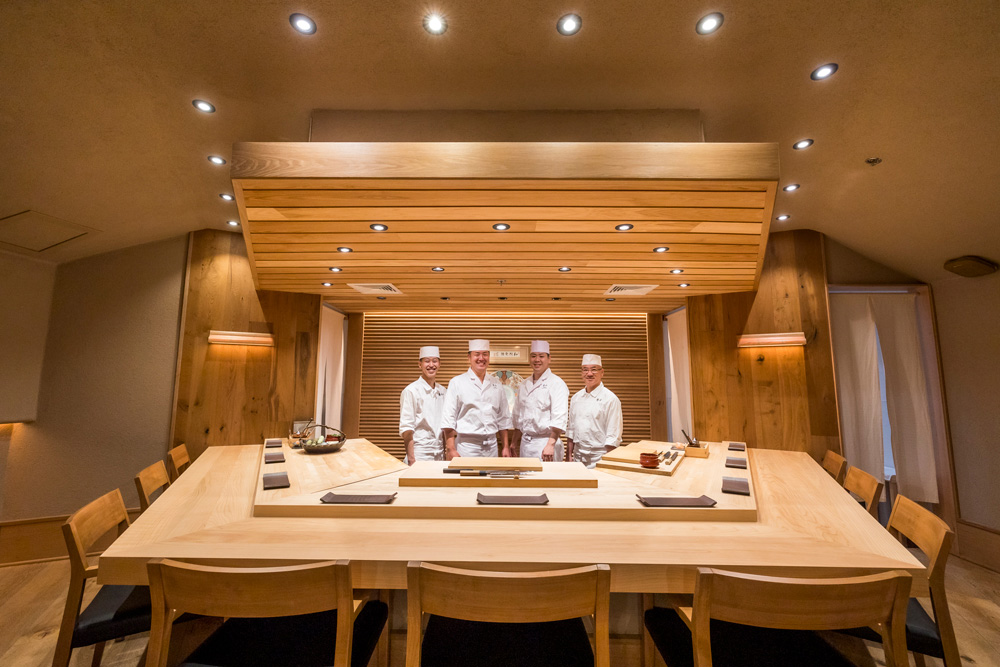
    Japanese restaurants in Honolulu offer a wide range of dining experiences, from traditional sushi bars to modern izakayas. One can find everything from fresh sashimi and perfectly crafted sushi rolls to hearty ramen bowls and flavorful yakitori skewers.

    One popular spot is Sushi Izakaya Gaku, known for its intimate setting and extensive menu featuring both classic and innovative dishes. For those craving a bowl of comforting ramen, Goma Tei Ramen is a must-visit with its rich broth and customizable toppings.

    If you’re looking for a unique dining experience, consider visiting Morimoto Asia Waikiki, led by Iron Chef Masaharu Morimoto. This upscale restaurant offers a fusion of Japanese flavors with a modern twist, creating dishes that are as visually appealing as they are delicious.

    Whether you’re a sushi aficionado or simply looking to explore new flavors, Japanese restaurants in Honolulu have something for everyone. So next time you find yourself in the beautiful city of Honolulu, be sure to indulge in the culinary delights offered by its thriving Japanese dining scene.


    7 Tips for an Authentic Japanese Dining Experience in Honolulu

    1. Try traditional Japanese dishes like sushi, sashimi, and ramen.
    2. Look for restaurants that offer authentic Japanese ingredients for an authentic experience.
    3. Explore different types of sake or green tea to accompany your meal.
    4. Consider making reservations as Japanese restaurants in Honolulu can get busy, especially during peak hours.
    5. Don’t be afraid to ask the staff for recommendations if you’re unsure about what to order.
    6. Respect the cultural norms by removing your shoes before entering certain dining areas.
    7. Enjoy the peaceful ambiance and attention to detail that are often found in Japanese restaurants.

    Try traditional Japanese dishes like sushi, sashimi, and ramen.

    When exploring Japanese restaurants in Honolulu, be sure to immerse yourself in the authentic flavors of Japan by trying traditional dishes like sushi, sashimi, and ramen. These iconic Japanese delicacies offer a true taste of Japan’s culinary heritage and are widely celebrated for their fresh ingredients and exquisite flavors. Whether you’re a sushi enthusiast, a sashimi connoisseur, or a ramen lover, indulging in these classic dishes at Honolulu’s Japanese restaurants is a must-do experience that promises to delight your taste buds and satisfy your cravings for genuine Japanese cuisine.

    Look for restaurants that offer authentic Japanese ingredients for an authentic experience.

    To truly immerse yourself in the authentic flavors of Japanese cuisine in Honolulu, it is essential to seek out restaurants that prioritize using genuine Japanese ingredients. By choosing establishments that source high-quality, authentic ingredients, you can ensure a dining experience that stays true to the essence of Japanese culinary traditions. From fresh seafood to premium cuts of meat and traditional seasonings, these restaurants go the extra mile to bring the taste of Japan to your plate, providing a truly immersive and authentic dining experience that transports you straight to the heart of Japan.

    Explore different types of sake or green tea to accompany your meal.

    When dining at Japanese restaurants in Honolulu, consider enhancing your culinary experience by exploring different types of sake or green tea to accompany your meal. Sake, a traditional Japanese rice wine, comes in various flavors and styles that can complement the flavors of your dish. Additionally, green tea offers a refreshing and cleansing palate cleanser between bites, adding another layer of enjoyment to your dining experience. By delving into the world of sake and green tea, you can elevate your meal and truly immerse yourself in the rich cultural traditions of Japanese cuisine.

    Consider making reservations as Japanese restaurants in Honolulu can get busy, especially during peak hours.

    When dining at Japanese restaurants in Honolulu, it is advisable to consider making reservations ahead of time, as these establishments can get quite busy, especially during peak hours. By securing a reservation, you can ensure that you have a table waiting for you and avoid long wait times. This allows you to fully enjoy your dining experience without the stress of uncertainty about seating availability.

    Don’t be afraid to ask the staff for recommendations if you’re unsure about what to order.

    When dining at Japanese restaurants in Honolulu, don’t hesitate to ask the staff for recommendations if you find yourself unsure about what to order. The knowledgeable staff members are there to guide you through the menu and help you discover new and exciting dishes that align with your preferences. By seeking their advice, you can enhance your dining experience and potentially uncover hidden gems that you may not have tried otherwise. Embrace the opportunity to engage with the staff and let their expertise enrich your culinary journey through the flavors of Japan in Honolulu.

    Respect the cultural norms by removing your shoes before entering certain dining areas.

    When dining at Japanese restaurants in Honolulu, it is important to respect the cultural norms by removing your shoes before entering certain dining areas. This practice is a sign of respect and cleanliness in Japanese culture, and by following this custom, you show your appreciation for the traditions upheld by the restaurant. So, before stepping into designated areas where shoes are not allowed, be sure to take off your shoes to fully immerse yourself in the authentic Japanese dining experience.

    Enjoy the peaceful ambiance and attention to detail that are often found in Japanese restaurants.

    When dining at Japanese restaurants in Honolulu, take the time to appreciate the serene ambiance and meticulous attention to detail that are characteristic of these establishments. From the minimalist decor to the precision in food presentation, Japanese restaurants offer a tranquil setting where every aspect is thoughtfully curated to enhance the dining experience. Embrace the peaceful atmosphere and immerse yourself in the artistry and hospitality that define Japanese culinary culture in Honolulu.

    Discovering the Magic of Japan: A Journey Through Tradition and Innovation

    No Comments
    japan

    Exploring the Wonders of Japan

    Exploring the Wonders of Japan

    Japan, known for its rich history, vibrant culture, and breathtaking landscapes, is a country that never fails to captivate visitors from around the world. From bustling metropolises to serene temples, Japan offers a diverse array of experiences that appeal to all kinds of travelers.

    One of Japan’s most iconic symbols is Mount Fuji, a majestic volcano that stands as the country’s highest peak. Visitors can admire this natural wonder from afar or embark on a challenging hike to reach its summit for a truly unforgettable experience.

    For those seeking cultural immersion, Kyoto is a must-visit destination. This ancient city is home to countless temples, shrines, and traditional tea houses that offer a glimpse into Japan’s rich heritage. The historic district of Gion, known for its geisha culture, is a particularly enchanting area to explore.

    No visit to Japan would be complete without indulging in its world-renowned cuisine. From sushi and ramen to tempura and wagyu beef, Japanese food delights the taste buds with its fresh ingredients and exquisite flavors. Be sure to sample local specialties in each region you visit for a truly authentic culinary experience.

    Whether you’re wandering through the neon-lit streets of Tokyo or relaxing in an onsen overlooking snow-capped mountains, Japan never ceases to amaze with its beauty and charm. With so much to see and do, it’s no wonder that Japan remains a top destination for travelers seeking adventure, culture, and unforgettable memories.


    5 Essential Tips for Embracing Japanese Culture and Etiquette on Your Visit

    1. Respect local customs and traditions, such as bowing when greeting someone.
    2. Try traditional Japanese cuisine like sushi, ramen, and tempura for an authentic culinary experience.
    3. Learn a few basic phrases in Japanese to communicate with locals and show respect.
    4. Be mindful of etiquette in public places, such as keeping your voice down on public transportation.
    5. Explore Japan’s beautiful nature by visiting parks, gardens, and iconic Mount Fuji.

    Respect local customs and traditions, such as bowing when greeting someone.

    When visiting Japan, it is essential to respect local customs and traditions to show appreciation for the culture. One common practice is bowing when greeting someone, which is a sign of respect and humility in Japanese society. By observing this tradition, visitors can demonstrate their understanding and willingness to embrace the customs of the country they are exploring. Embracing these gestures not only shows courtesy but also fosters positive interactions with locals and enriches the overall travel experience in Japan.

    Try traditional Japanese cuisine like sushi, ramen, and tempura for an authentic culinary experience.

    Immerse yourself in the rich flavors of Japan by indulging in traditional Japanese cuisine such as sushi, ramen, and tempura. These iconic dishes offer a delightful blend of fresh ingredients and exquisite flavors that showcase the essence of Japanese culinary artistry. By savoring these authentic delicacies, you can truly experience the essence of Japan’s gastronomic culture and create lasting memories of your culinary journey through the Land of the Rising Sun.

    Learn a few basic phrases in Japanese to communicate with locals and show respect.

    When traveling to Japan, it is highly recommended to learn a few basic phrases in Japanese to communicate with locals and show respect. Simple greetings like “Konnichiwa” (hello) and “Arigatou gozaimasu” (thank you) can go a long way in fostering positive interactions with the Japanese people. By making an effort to speak their language, you not only demonstrate respect for their culture but also open up opportunities to connect on a deeper level during your travels in Japan.

    Be mindful of etiquette in public places, such as keeping your voice down on public transportation.

    When traveling in Japan, it is important to be mindful of etiquette in public places to show respect for the local culture. One key tip is to keep your voice down, especially on public transportation. Japanese society values peace and tranquility, so speaking softly or using headphones while on trains or buses is greatly appreciated by fellow passengers. By being considerate of others and observing these cultural norms, you can ensure a more pleasant and harmonious experience while exploring the wonders of Japan.

    Explore Japan’s beautiful nature by visiting parks, gardens, and iconic Mount Fuji.

    Immerse yourself in Japan’s stunning natural beauty by embarking on a journey to its picturesque parks, tranquil gardens, and the iconic Mount Fuji. From the vibrant cherry blossoms of Shinjuku Gyoen in Tokyo to the serene landscapes of Kenrokuen Garden in Kanazawa, Japan’s green spaces offer a peaceful retreat from the bustling urban life. And for a truly awe-inspiring experience, set your sights on Mount Fuji, Japan’s highest peak and a symbol of natural majesty that beckons adventurers and nature enthusiasts alike to explore its grandeur.

    Exploring the Enchanting World of Japanese Culture

    No Comments
    japanese

    The Fascinating Culture of Japan

    The Fascinating Culture of Japan

    Japan, a country known for its rich history and vibrant traditions, has captivated people around the world with its unique culture. From its ancient temples to modern technology, Japan offers a blend of old-world charm and cutting-edge innovation.

    One of the most iconic aspects of Japanese culture is its cuisine. From sushi to ramen, Japanese food is celebrated for its exquisite flavors and meticulous preparation. Traditional tea ceremonies also hold a special place in Japanese culture, emphasizing harmony, respect, purity, and tranquility.

    Japanese art forms such as origami, ikebana (flower arranging), and ukiyo-e (woodblock prints) showcase the country’s creativity and attention to detail. The graceful movements of traditional Japanese dance and the melodious sounds of the shamisen (a three-stringed instrument) reflect the beauty and elegance that define Japanese performing arts.

    Japan’s festivals, such as cherry blossom viewing during Hanami season and the lively Bon Odori dance festivals in summer, provide a glimpse into the country’s vibrant traditions and community spirit. Onsen (hot springs) are also an integral part of Japanese culture, offering relaxation and rejuvenation in natural settings.

    Japanese architecture is renowned for its blend of traditional design elements with modern innovations. From historic temples like Kinkaku-ji (Golden Pavilion) in Kyoto to contemporary structures like Tokyo Skytree, Japan’s architectural landscape is a testament to its rich cultural heritage.

    Technology plays a significant role in modern Japanese society, with innovations in robotics, transportation, and electronics setting global trends. The concept of “omotenashi,” or hospitality, is deeply ingrained in Japanese culture, ensuring that visitors experience warm welcomes and exceptional service wherever they go.

    In conclusion, Japan’s culture is a fascinating tapestry woven with tradition, innovation, artistry, and hospitality. Whether you are exploring ancient temples or bustling city streets, Japan offers a captivating journey into a world where past meets present in perfect harmony.


    “Discovering Japan: Top Tourist Attractions Across the Land of the Rising Sun”

    3. “The Japanese Greeting Decoded: How

    1. What are some traditional Japanese foods?
    2. What are popular tourist attractions in Japan?
    3. How do you say hello in Japanese?
    4. What is the significance of cherry blossoms in Japanese culture?
    5. Can you recommend any traditional Japanese cultural experiences?

    What are some traditional Japanese foods?

    Traditional Japanese cuisine offers a delightful array of flavors and textures that reflect the country’s culinary heritage. Some iconic dishes include sushi, which features vinegared rice topped with fresh seafood or other ingredients; tempura, a light and crispy batter-fried dish often made with shrimp or vegetables; ramen, a hearty noodle soup typically served with savory broth and toppings like sliced pork and green onions; and yakitori, skewered and grilled chicken that is seasoned with a sweet-savory sauce. These are just a few examples of the diverse and delicious traditional foods that showcase the artistry and attention to detail that characterize Japanese cooking.

    Japan offers a diverse range of popular tourist attractions that cater to a wide variety of interests. From the iconic cherry blossoms of Kyoto’s Arashiyama district to the bustling streets of Tokyo’s Shibuya Crossing, visitors can immerse themselves in the rich cultural heritage and modern innovations of this captivating country. Historic landmarks like the ancient temples of Nara and Hiroshima’s Peace Memorial Park provide insight into Japan’s past, while futuristic attractions such as Osaka’s Universal Studios Japan and Hakone’s open-air art museum showcase the country’s cutting-edge creativity. Whether exploring traditional tea houses in Kanazawa or soaking in the natural beauty of Hokkaido’s national parks, Japan offers a treasure trove of unforgettable experiences for travelers from around the world.

    How do you say hello in Japanese?

    In Japanese, the common way to say hello is “Konnichiwa” (こんにちは). This greeting is typically used during the daytime and is a polite and friendly way to acknowledge someone. The pronunciation of “Konnichiwa” is “kon-nee-chee-wah,” with emphasis on the second syllable. Saying hello in Japanese is not only a way to greet someone but also a way to show respect and courtesy in Japanese culture.

    What is the significance of cherry blossoms in Japanese culture?

    Cherry blossoms, known as “sakura” in Japanese, hold deep cultural significance in Japan. These delicate pink flowers symbolize the transient nature of life, beauty, and renewal. The blooming of cherry blossoms in spring is celebrated nationwide through the tradition of “Hanami,” where people gather under the cherry trees to appreciate their beauty and enjoy picnics with family and friends. The ephemeral nature of cherry blossoms serves as a reminder to cherish each moment and embrace the fleeting beauty of life. In Japanese culture, the sakura represents hope, renewal, and the fleeting yet precious nature of existence.

    Can you recommend any traditional Japanese cultural experiences?

    For those seeking traditional Japanese cultural experiences, there are several recommendations to consider. Participating in a tea ceremony, known as “chanoyu” or “sado,” offers a serene and immersive introduction to the art of tea-making and the principles of harmony, respect, purity, and tranquility. Another popular experience is trying on a kimono and strolling through historic streets or visiting a traditional ryokan for an authentic Japanese hospitality experience. For those interested in arts and crafts, activities such as calligraphy lessons, pottery workshops, or learning the art of origami provide hands-on opportunities to engage with Japan’s artistic heritage. Additionally, attending a kabuki theater performance or exploring ancient temples and shrines can offer valuable insights into Japan’s rich cultural traditions.