Exploring the Mystical World of Heiau: Unveiling Ancient Hawaiian Temples
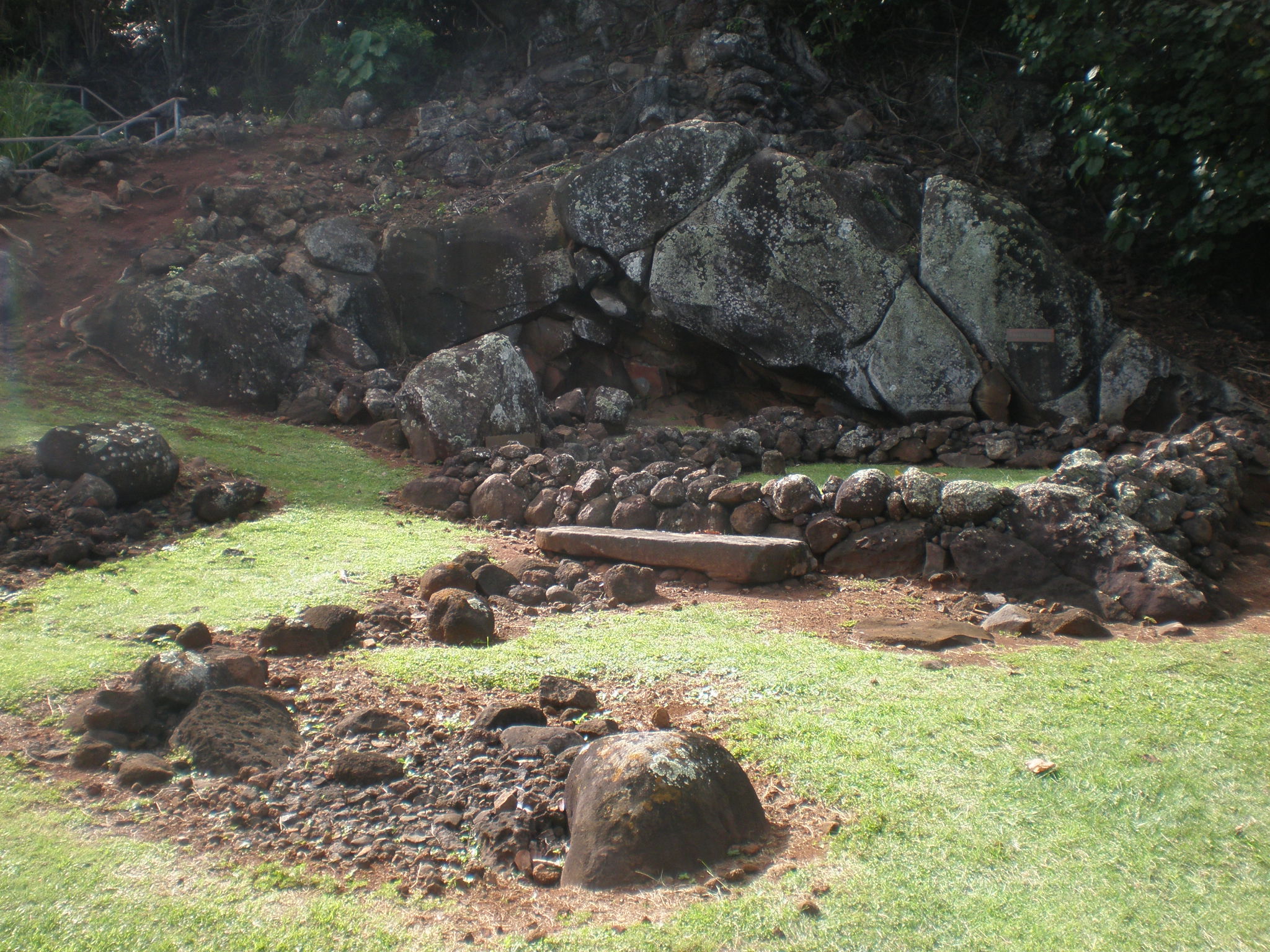
The Significance of Heiau in Hawaiian Culture
Heiau, ancient Hawaiian temples or sacred sites, hold great cultural and spiritual significance in the history of Hawaii. These structures served as places of worship, ceremony, and connection to the spiritual realm for the native Hawaiians.
Heiau were constructed with meticulous attention to detail and alignment with natural elements such as mountains, oceans, and stars. Each heiau was dedicated to specific deities or purposes, ranging from agriculture and fishing to war and healing.
Visiting a heiau today provides a glimpse into the rich cultural heritage of Hawaii. It allows visitors to connect with the land and its history, gaining a deeper understanding of the spiritual practices and beliefs of the native Hawaiians.
Preservation efforts are underway to protect these sacred sites and ensure that future generations can continue to learn from and appreciate the significance of heiau in Hawaiian culture.
Next time you find yourself in Hawaii, consider visiting a heiau to experience firsthand the spiritual essence and historical importance of these ancient structures.
Exploring Hawaiian Culture: Understanding Heiau, Leadership, and Traditions
- What is a Hawaiian chief called?
- How did Native Hawaiians view homosexuality?
- When did whites go to Hawaii?
- What is a Hawaiian heiau?
- Who is considered a kamaaina?
- What are heiau made of?
- Why are heiau important?
- What are two types of heiau?
What is a Hawaiian chief called?
In Hawaiian culture, a chief is traditionally known as an “Ali’i.” The Ali’i were the ruling class of ancient Hawaii, holding positions of power and authority within their respective communities. These chiefs were responsible for governing their people, maintaining order, and upholding the cultural traditions and practices of the Hawaiian society. The title of Ali’i was hereditary, passed down through family lines, and each chief played a crucial role in shaping the social structure and governance of the Hawaiian islands.
How did Native Hawaiians view homosexuality?
Native Hawaiians traditionally held a more fluid and accepting view of sexuality, including homosexuality, compared to Western perspectives. In Hawaiian culture, the concept of māhū encompassed individuals who did not conform to traditional gender roles and could include those who identified as homosexual or transgender. Māhū were often respected members of the community and held important roles in society, such as healers, teachers, or caretakers. This acceptance of diverse expressions of gender and sexuality reflects the inclusive and holistic worldview of Native Hawaiians that values harmony and balance in all aspects of life.
When did whites go to Hawaii?
The arrival of white settlers in Hawaii dates back to the late 18th century, with significant contact occurring after Captain James Cook’s arrival in 1778. Over the following decades, missionaries and traders from Europe and America began to establish a presence in the islands, influencing Hawaiian culture and society. This historical interaction between white settlers and native Hawaiians has shaped the cultural landscape of Hawaii and continues to be a topic of interest and discussion regarding the islands’ history.
What is a Hawaiian heiau?
A Hawaiian heiau is an ancient temple or sacred site that holds significant cultural and spiritual importance in Hawaiian history. These structures were built by native Hawaiians for worship, ceremonies, and connecting with the spiritual realm. Each heiau was carefully constructed with attention to detail and alignment with natural elements, dedicated to specific deities or purposes such as agriculture, fishing, war, or healing. Visiting a heiau provides a unique opportunity to explore the rich cultural heritage of Hawaii and gain insight into the spiritual practices and beliefs of the indigenous people.
Who is considered a kamaaina?
In the context of Hawaiian culture, a kamaaina is typically considered to be a long-time resident or someone who has deep roots in the local community. The term “kamaaina” carries a sense of belonging and connection to the land, culture, and people of Hawaii. While there is no strict definition of who qualifies as a kamaaina, it is generally understood that those who have lived in Hawaii for an extended period of time or have strong ties to the islands through family or community are regarded as kamaaina. This distinction reflects the importance of honoring and preserving the traditions and values of Hawaiian society.
What are heiau made of?
Heiau, the ancient Hawaiian temples or sacred sites, were typically made of stone and wood. The construction of heiau involved careful placement of stones to create platforms, walls, and altars that were aligned with the natural surroundings. Wooden structures such as thatched roofs or carvings were also common features in some heiau. The materials used in building heiau reflected the spiritual significance of these sites and the reverence with which they were constructed by the native Hawaiians.
Why are heiau important?
Heiau hold significant importance in Hawaiian culture for several reasons. These ancient temples served as sacred sites where native Hawaiians conducted religious ceremonies, offered prayers, and connected with their deities. Heiau were not just places of worship but also served as centers for community gatherings, education, and decision-making. They played a crucial role in maintaining the spiritual balance of the land and fostering a deep connection between the people, their ancestors, and the natural world. The preservation of heiau is essential to honoring and perpetuating the cultural heritage and spiritual traditions of Hawaii for generations to come.
What are two types of heiau?
There are two main types of heiau found in Hawaiian culture: the heiau luakini and the heiau kū. Heiau luakini were large, sacred temples dedicated to the worship of war gods and were used for human sacrifice. These temples were constructed with strict protocols and rituals to appease the gods and ensure victory in battle. On the other hand, heiau kū were smaller, more common temples dedicated to various purposes such as agriculture, fishing, healing, or fertility. These temples played a vital role in everyday life for native Hawaiians, serving as places of prayer, offerings, and ceremonies to seek blessings from their deities.